
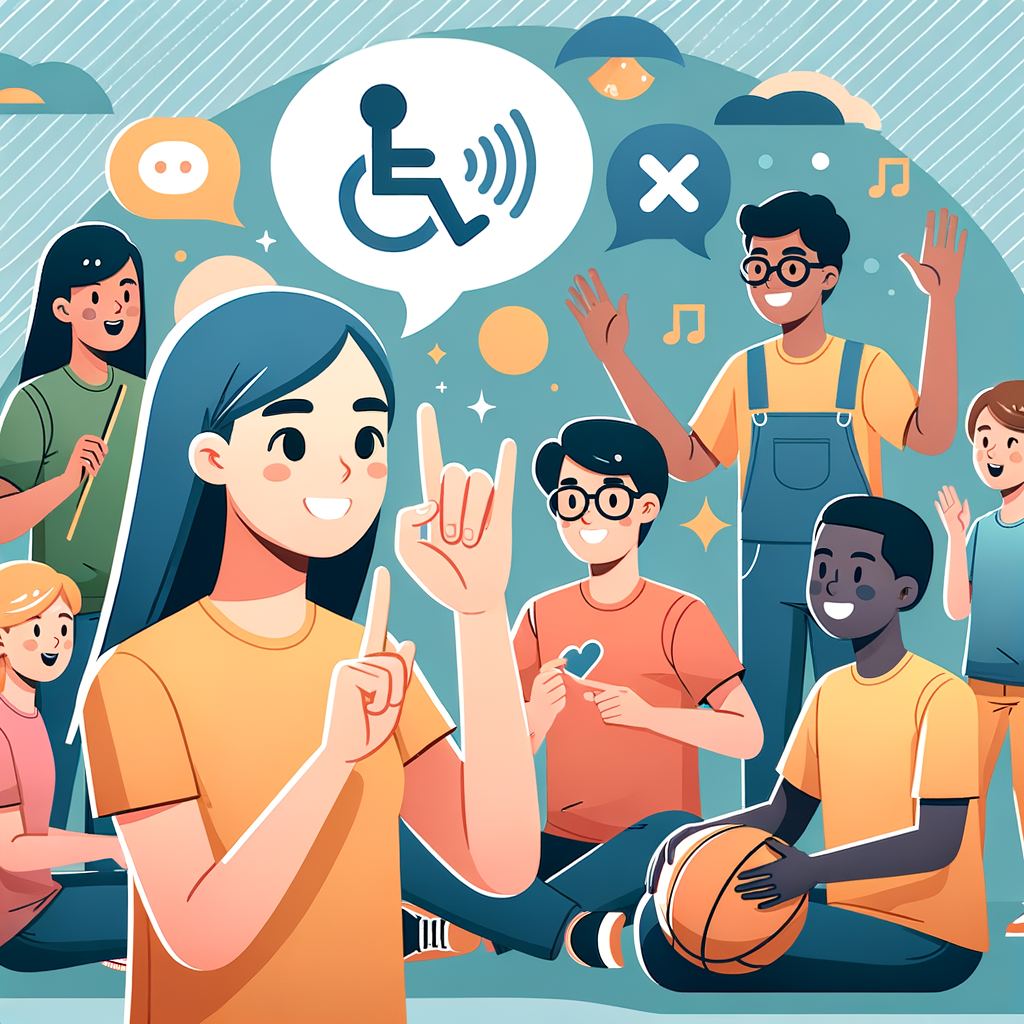
Creating inclusive extracurricular activities for deaf students is a crucial yet often overlooked aspect of the educational experience. Ensuring that all students, regardless of their hearing abilities, have access to engaging and fulfilling extracurricular activities is essential for their personal growth, social development, and academic success. The landscape of education has evolved significantly, with inclusivity at its core, yet there remains a critical gap when it comes to accommodating deaf students in extracurricular settings. This article aims to address these gaps and provide actionable insights on fostering an inclusive environment for deaf students. By understanding the unique challenges faced by deaf students, schools and communities can work collaboratively to design extracurricular activities that are accessible and enriching.
Deaf students encounter various challenges in a school setting, much like their peers, but with added communication barriers that can make participation in typical extracurricular activities daunting. The need for inclusivity extends beyond mere physical accommodations. It encapsulates creating an environment where deaf students feel genuinely included, valued, and recognized for their contributions. As educators, students, and community members, we are tasked with the responsibility of crafting experiences that offer equal opportunities for all. This inclusion-rich framework will not only advance the social and academic development of deaf students but equally impact their hearing peers, thus fostering a deeper sense of community and empathy.
Moreover, inclusive extracurricular activities are a significant determinant of school engagement and student satisfaction. They play an integral role in shaping a student’s self-esteem and sense of belonging within the school community. This article delves into the strategies and methodologies that can effectively create inclusive extracurricular activities for deaf students. From understanding the necessity of a culturally responsive approach to exploring specific accommodations and frameworks, we will explore actionable ways to make inclusivity in extracurricular activities a reality. This is an invitation to reimagine how extracurricular activities can serve as an integrative platform for fostering genuine inclusivity.
Understanding the Challenges
Deaf students face multiple challenges that often deter their full participation in extracurricular activities. The foremost challenge is communication, as traditional extracurricular activities typically rely heavily on verbal communications, which can lead to feelings of exclusion among deaf students. The lack of sign language interpreters, captions, or other alternative communication resources often places them at a disadvantage, making it difficult for them to engage effectively in these activities.
Furthermore, there is a prevalent lack of awareness among educators and peers regarding the specific needs of deaf students. This can result in environments that are not physically or socially accommodating, further isolating deaf students and discouraging their participation. The absence of role models or mentors who share similar experiences can also limit deaf students’ willingness to engage in extracurricular activities. They may feel that their contributions are less valued or misunderstood, which can hinder their enthusiasm and participation.
Creating an Inclusive Environment
Creating a truly inclusive environment begins with understanding and empathy. Schools must foster a culture that encourages inclusivity by educating faculty, students, and parents about the unique experiences of deaf students. By promoting awareness through workshops and seminars, schools can curate a more informed and understanding community that better supports diverse needs.
Administrative efforts should be directed toward providing appropriate resources and accommodations. Staffing qualified sign language interpreters or providing real-time captioning services are crucial steps in ensuring deaf students have equal access to the information being communicated. Moreover, encouraging the learning of sign language among both staff and students can significantly bridge the communication gap.
Beyond the logistical aspects, creating an inclusive atmosphere involves cultivating respect for diversity and fostering an environment where deaf students feel their perspectives are valued. It’s vital to integrate cultural elements and perspectives related to the deaf community into the curriculum and school activities. This integration not only benefits deaf students by validating their identity and experience, but it also enriches the cultural understanding of hearing students.
Designing Activities That Encourage Participation
To ensure active participation, extracurricular activities must be designed with accessibility in mind. Visual and physical elements should be integrated into activities to accommodate a spectrum of communication modes used by deaf students. For instance, drama clubs could incorporate signed performances or use visual storytelling techniques, thus opening avenues for deaf students to express their creativity effectively.
Moreover, student organizations and clubs should actively involve deaf students in the planning and decision-making processes of activities. Empowering deaf students to have a voice and take on leadership roles within extracurricular activities serves to embolden their confidence and ensure that activities are tailored to be inclusive.
Technology also plays a transformative role in facilitating inclusivity. Leveraging technology such as apps designed for communication, digital note-taking tools, and virtual platforms with embedded accessibility features can greatly enhance the participatory experience for deaf students. It’s essential for schools to invest in these technologies so that deaf students are not limited by communication barriers.
Training and Support for Educators and Facilitators
The role of educators and activity facilitators is paramount in crafting an inclusive environment. Comprehensive training programs should be in place that equip these leaders with the skills needed to support and engage deaf students effectively. This training should not only cover technical communication skills like sign language but also emphasize sensitivity towards the cultural and personal identity of deaf students.
Educators need ongoing support and resources to adjust activities in real-time to suit the needs of deaf students. Establishing a network of support where educators can share experiences, challenges, and strategies can contribute significantly to maintaining an inclusive environment. This collaborative approach ensures that the efforts to include deaf students are sustained and continually improved upon.
Family and Community Engagement
Creating inclusive extracurricular activities also requires active involvement and partnership with families and the broader community. Engaging families in the planning and execution of extracurricular activities can provide invaluable insights into the needs and preferences of deaf students. Additionally, parents can advocate for necessary resources and accommodations that will facilitate their child’s full participation.
Communities play a supportive role by providing resources and opportunities that schools alone may not be able to offer. Collaborations with local organizations that support the deaf community can create additional avenues for participation and engagement. These partnerships can inspire and facilitate more inclusive community events, which not only benefit deaf students but foster a culture of inclusivity that extends beyond the school environment.
Evaluating the Effectiveness of Inclusion Strategies
It is essential to assess the effectiveness of inclusion strategies on an ongoing basis to ensure that the needs of deaf students are being adequately met. Schools should implement feedback mechanisms that capture the experiences and suggestions of deaf students and incorporate this input into the planning and adjustment of extracurricular activities.
Evaluating the impact of inclusion strategies also involves examining the broader school culture to ensure that inclusivity is genuinely engrained in the institution’s ethos. This evaluation can be achieved through regular surveys, focus groups, and assessments that verify the inclusivity and accessibility of activities. Importantly, measuring success goes beyond mere participation rates; it should focus on the qualitative experiences and improvements in social and personal development of deaf students.
Conclusion
In sum, creating inclusive extracurricular activities for deaf students is an ongoing journey that requires commitment, empathy, and collaboration from all stakeholders involved. By understanding the challenges that deaf students face and actively seeking to address these through conscious efforts in communication, resource allocation, and cultural integration, schools can cultivate a nurturing environment where deaf students can thrive. Inclusive extracurricular activities are not just a boost to individual growth; they are instrumental in fostering a collective community spirit that celebrates diversity and champions inclusivity.
The path to inclusivity involves continuous learning and adaptation. It calls for openness to change and the willingness to involve all voices, especially those that have been traditionally marginalized. As we move forward, embracing inclusivity as a core value in our educational and social endeavors will enable us to envision a future where all students have the opportunity to explore their passions, develop their potential, and contribute meaningfully to society. The ultimate goal is to ensure every student, regardless of ability, feels seen, heard, and valued, transforming not only individual lives but the fabric of the school community itself into a rich tapestry of inclusive excellence.
With intentional, structured efforts, the vision of inclusive extracurricular activities for deaf students can be transformed from aspiration to reality, setting a precedent for a more inclusive society that reverberates beyond the realm of education.