
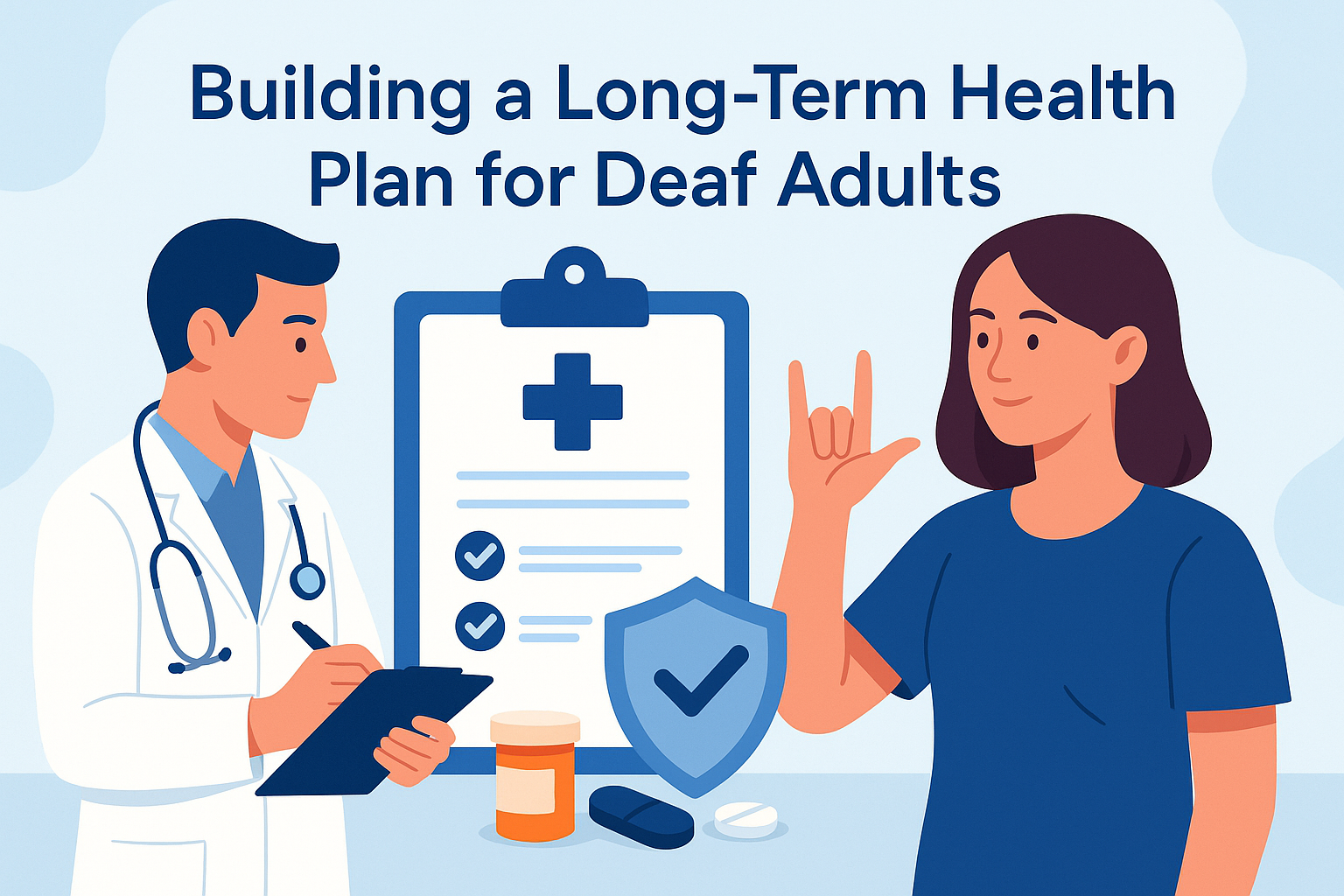
The topic of creating a long-term health plan specifically catered to deaf adults is both crucial and timely. Understanding that health planning is a vital part of life for everyone, it becomes even more essential in communities where communication barriers exist. The term “health plan” refers to a strategic approach to maintaining wellness, involving preventive care, regular check-ups, and a series of health-promoting activities tailored to an individual’s specific needs. This concept for deaf adults warrants particular focus due to the unique challenges they face in accessing healthcare. Communication barriers, limited access to specialized health information, and social isolation can hinder the development of effective health plans.
The importance of a tailored health plan for deaf adults cannot be overstated. It not only ensures that they receive comprehensive healthcare but also empowers them with the knowledge and tools necessary to advocate for their well-being. In essence, a thoughtful health plan reduces health disparities and promotes equality in health outcomes. Moreover, it recognizes the need for inclusive healthcare systems that respect and cater to diversity. The critical takeaway here is that every individual deserves a health plan that acknowledges and addresses their specific needs, and for the deaf community, this becomes an imperative rather than an option.
Understanding Communication Barriers in Healthcare
Communication barriers constitute a significant obstacle in accessing healthcare for deaf adults. For instance, crucial information might be misunderstood or lost entirely during doctor-patient interactions, potentially leading to suboptimal health outcomes. To illustrate, consider the experience of Amy, a deaf adult who went for a routine medical check-up. The healthcare provider did not arrange for an interpreter, making it extremely difficult for Amy to describe her symptoms accurately. Consequently, the incorrect diagnosis led to an ineffective treatment plan.
Situations like Amy’s can be mitigated by implementing certain strategies in healthcare settings. Providing interpreting services, using visual aids, and incorporating technology like video relay services can drastically improve communication. Training healthcare providers to use simple, direct communication and encouraging patients to bring an interpreter or trusted family member ensures clarity and effective dialogue.
Access to Specialized Health Information
Another vital aspect is access to specialized health information. Deaf adults often encounter a scarcity of resources that present health information in accessible formats. Adriana’s case highlights this issue well. A young deaf woman diagnosed with diabetes, she struggled initially to find reliable content in sign language that explained the condition and its management comprehensively. This gap made it challenging for her to manage her health effectively.
Promoting the availability of accessible health education materials is one solution. Websites, online videos, and community workshops that offer health information in sign language can bridge this knowledge gap. Health providers should be encouraged to collaborate with deaf community organizations to develop these resources, ensuring accuracy and cultural sensitivity.
The Importance of Routine Health Check-Ups
Routine health check-ups are vital in a comprehensive health plan. For deaf adults, these check-ups can be formidable if not conducted in a supportive environment. Take Charles, for example, a middle-aged deaf man who avoided regular health screenings due to previous uncomfortable experiences. The lack of adequate communication and understanding left him feeling alienated and apprehensive about visiting healthcare facilities.
Encouraging routine check-ups via deaf-friendly clinics is an effective approach. Healthcare facilities must enhance their inclusivity by training staff, incorporating text-based appointment reminders, and ensuring the availability of interpreting services. Furthermore, public health campaigns can highlight the importance of regular screenings, emphasizing their role in the early detection and management of potential health issues.
Mental Health: An Overlooked Component
Mental health is often a neglected aspect of wellness within the deaf community. Emotional well-being is just as crucial as physical health, yet it remains marginalized. Emily’s experience is particularly telling. A deaf college student, she faced anxiety and depression but received little support because mental health services seldom accounted for her communication needs. As a result, her mental well-being suffered, impacting her academic performance and personal life.
Addressing mental health involves making psychological services more accessible and inclusive. Creating awareness and reducing stigma through targeted campaigns can encourage individuals to seek help. Incorporating peer support groups and employing mental health professionals fluent in sign language are critical components as well. Health plans should cover mental health services, recognizing their importance in holistic health.
Nutritional and Lifestyle Considerations
Nutrition and lifestyle are essential pillars of a robust health plan. Educating deaf adults about proper nutrition and promoting active lifestyles are necessary, yet challenging tasks due to language and information access barriers. Michael, for example, struggled with obesity partly due to his limited exposure to nutritional education that was accessible in sign language. This knowledge gap affected his ability to make informed dietary choices, contributing to his condition.
| Nutritional Element | Benefits |
|---|---|
| Fruits and Vegetables | Rich in vitamins and fiber, support immune system and digestion. |
| Whole Grains | Provides essential nutrients and aids in maintaining energy levels. |
| Protein Sources | Vital for muscle repair and growth, includes lean meats, beans, and nuts. |
| Hydration | Essential for all bodily functions, promotes skin health and kidney function. |
To counter such challenges, health plans should integrate nutrition education classes designed for deaf individuals. Programs that utilize visual aids, videos in sign language, and community garden projects can be immensely beneficial. Encouraging regular physical activity through group classes or clubs can help foster community engagement while promoting a healthy lifestyle.
Creating Support Networks
Building support networks is a critical component of a successful long-term health plan. These networks provide emotional and informational backing, assisting in navigating the healthcare system. Consider the situation of David, who recently moved to a new city. Without connections or community ties, he found it challenging to manage his health efficiently.
Facilitating the formation of support groups within the deaf community can provide substantial benefits. These groups can serve as platforms for sharing experiences and advice. Partnering with local organizations to create mentorship programs matches less experienced individuals with those more familiar with healthcare navigation, offering guidance and support.
Summing Up: Pathways to Empowerment
Developing a long-term health plan tailored for deaf adults involves a multi-faceted approach addressing communication barriers, access to specialized information, routine check-ups, mental health inclusion, nutritional education, and support network creation. It’s clear that tailoring these healthcare aspects to meet the specific needs of the deaf community not only promotes better health but empowers individuals to lead fuller, richer lives. Empowerment stems from equitable access to healthcare—an inclusive system where deaf individuals are heard, understood, and valued.
The call to action is straightforward: advocate for inclusive healthcare policies, get involved in community initiatives, and support efforts to create accessible resources. Whether directly affected or not, everyone can contribute to building a healthcare system that truly serves all.
Frequently Asked Questions
1. What are the key components of a long-term health plan for deaf adults?
Creating a long-term health plan for deaf adults involves several key components that are specifically designed to accommodate their unique communication needs and ensure they receive optimal care. First and foremost, the plan must include accessible communication methods during healthcare visits, such as providing sign language interpreters, or utilizing written communication and visual aids if that is preferred by the individual. Another essential component is understanding the specific health risks and concerns that might be prevalent in the deaf community, such as mental health issues related to social isolation or communication barriers. Regular health screenings, tailored fitness and nutrition plans, and mental health support are crucial elements. Engaging in preventive care, which means focusing on activities that prevent illnesses or detect them at an early stage, is also a significant part of the overall strategy. Additionally, fostering a supportive environment where deaf adults are engaged and informed about their health is paramount for the plan’s success. Having a known healthcare provider who has experience or understanding of deaf culture and communication can make a significant difference. These components work in harmony to ensure that health remains a top priority throughout one’s life.
2. How can communication barriers in healthcare settings affect the health of deaf adults?
Communication barriers in healthcare settings can have a profound effect on the health of deaf adults. When healthcare providers are unable to effectively communicate key medical information, it can lead to misunderstandings, misdiagnoses, and improper treatments. Imagine a scenario where a deaf individual is unable to explain their symptoms accurately due to the absence of an interpreter or lack of proper communication aids; the resulting misinterpretation can delay or hinder proper diagnosis. Furthermore, crucial information about medication adherence, potential side effects, and follow-up care can be lost, leading to ineffective treatment and potentially worsening health conditions. These barriers can also lead to feelings of frustration and anxiety for the individual, exacerbating mental health concerns. In addition, a lack of effective communication can deter deaf adults from seeking care altogether, increasing the risk of untreated health issues and poor long-term health outcomes. By addressing these barriers and providing communication access as a fundamental right, healthcare providers ensure that deaf individuals receive the care and attention they deserve.
3. What role does preventive care play in a health plan specifically for deaf adults?
Preventive care is an essential aspect of any health plan and is particularly important when designing a plan for deaf adults. Preventive care involves the proactive steps taken to detect or prevent health issues before they develop into significant problems. For deaf adults, this means not only engaging in regular health screening and vaccinations but also maintaining clear and consistent communication with healthcare providers to understand necessary health practices. Early detection of conditions through routine tests and check-ups is important, as timely interventions can significantly alter the course of many diseases. Moreover, preventive care extends to promoting a healthy lifestyle, which includes nutrition counseling tailored to individual needs and preferences, regular physical activity adapted to their routines, and access to mental health services. Another critical element is providing education on health-related topics through accessible means, ensuring that deaf individuals have the information they need to make informed decisions about their health. Overall, preventive care reduces the risk of serious health conditions and supports the maintenance of overall wellness, making it a cornerstone of a comprehensive health plan for deaf adults.
4. What are some strategies for fostering a supportive healthcare environment for deaf adults?
Fostering a supportive healthcare environment for deaf adults requires thoughtful strategies that emphasize accessibility and inclusivity. One key approach is training healthcare providers in basic sign language and deaf awareness, which can help facilitate smoother interactions between staff and patients. Healthcare facilities should also ensure that sign language interpreters or communication aids such as video remote interpreting services are readily available during appointments. It’s important to establish clear protocols for scheduling interpreters in advance of visits to avoid on-the-spot mishaps. Additionally, providing written materials, visual aids, and ensuring the availability of assistive listening devices can support understanding and active participation in their care. Engaging the deaf community during the development of healthcare policies and services can yield valuable insights that make healthcare provisions better suited to their needs. Another effective strategy is to create opportunities for deaf individuals to provide feedback on their healthcare experiences, ensuring continuous improvement in service delivery. Cultivating an environment of respect and empathy, where deaf adults can comfortably express their concerns and preferences, leads to a trusting and effective patient-provider relationship.
5. Why is mental health support a critical part of a health plan for deaf adults, and what does it involve?
Mental health support is a critical adjunct to any health plan for deaf adults, acknowledging the unique challenges they face such as isolation, societal stigmatization, and communication barriers that can severely impact mental well-being. For many deaf individuals, the inability to communicate effectively in the hearing world can contribute to feelings of loneliness and anxiety, ultimately affecting mental health. Integrating mental health services into their health plan means providing access to psychologists and counselors who are experienced in working with deaf patients or are familiar with deaf culture and sign language. Therapy sessions that incorporate visual communication methods or are conducted in sign language are essential to ensuring effective discourse and emotional support. Moreover, group therapy or support groups within the deaf community can be instrumental in fostering a sense of belonging and providing peer support. Education for both the deaf individuals and their families regarding mental health awareness and coping strategies is also beneficial, encouraging open discussion and understanding. Providing deaf adults with mental health resources empowers them to maintain overall wellness and benefits their physical health, as mental and physical health are deeply interconnected. By prioritizing mental health within the broader context of their health plan, we can help ensure that deaf adults lead balanced, fulfilling lives.