
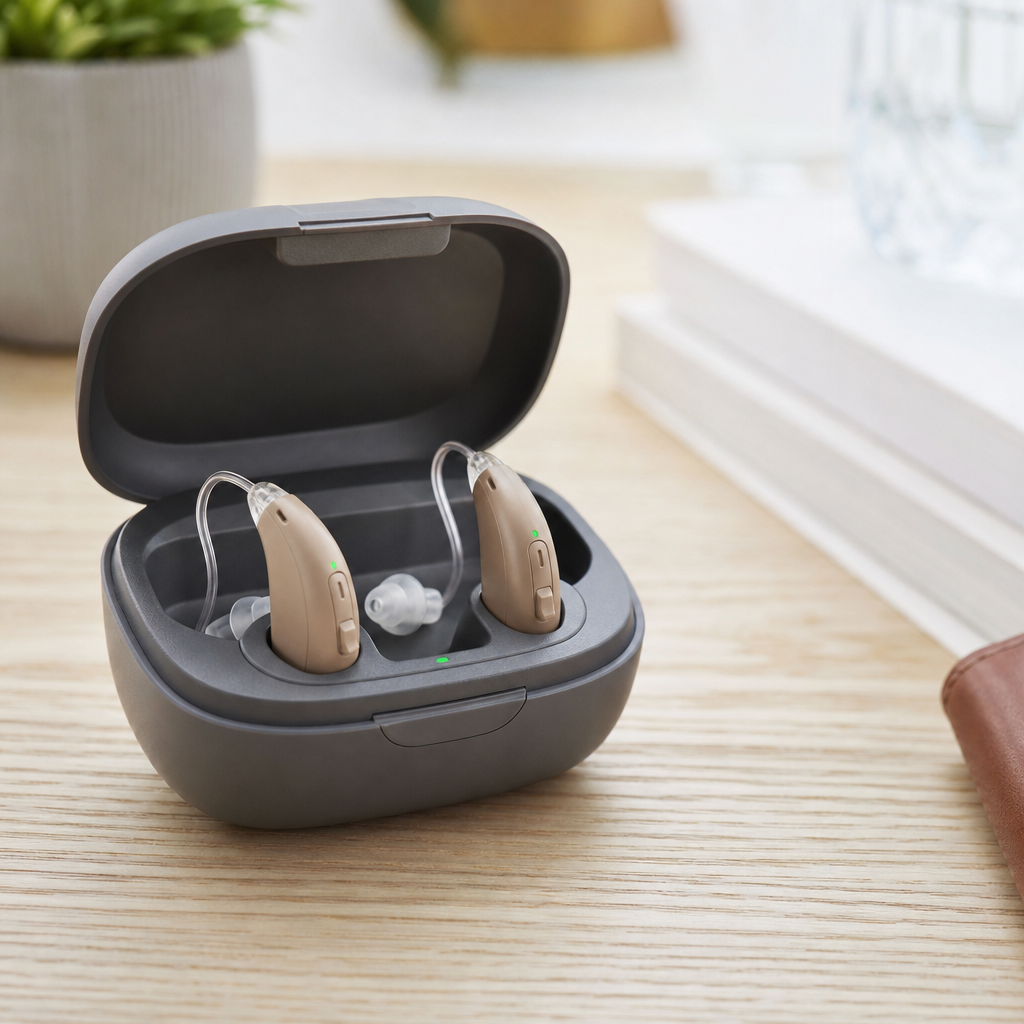
Finding the best cheap hearing aid Amazon shoppers can buy in 2025 means balancing price, sound quality, comfort, battery life, and realistic expectations about what low-cost devices can and cannot do. In this guide, I will cover the general landscape of affordable hearing aids and hearing amplifiers sold through Amazon, explain the key terms buyers need to understand, and show how to compare options without getting distracted by flashy listings or vague claims. This matters because untreated hearing loss affects communication, safety, work performance, and mental fatigue, yet traditional prescription hearing aids often cost thousands of dollars per pair. For many people, especially first-time buyers, retirees on fixed budgets, and adults with mild hearing difficulties, Amazon has become the starting point for research and purchase. The challenge is that the marketplace includes true over-the-counter hearing aids, personal sound amplification products, and low-quality generic devices mixed together. Knowing the difference is essential. A cheap hearing aid is not automatically a bad product, but the wrong product can create distortion, discomfort, and disappointment. The best affordable devices improve speech clarity in common environments like conversations, television watching, restaurants, and outdoor walks. They also offer transparent specifications, return policies, and customer support. After testing budget models, reviewing manufacturer materials, and comparing user feedback patterns, I have found that smart buying depends less on finding the absolute lowest price and more on identifying the right feature set for your hearing needs. This hub article gives you that framework so you can compare budget hearing aids with confidence and make a sensible purchase in 2025.
What counts as a cheap hearing aid on Amazon in 2025
On Amazon in 2025, “cheap” usually means a price range between about $80 and $500 for a pair, although some single-ear devices sell for less and some premium over-the-counter models stretch higher. The first distinction to understand is between FDA-regulated over-the-counter hearing aids and personal sound amplification products, often shortened to PSAPs. OTC hearing aids are intended for adults with perceived mild to moderate hearing loss and are sold directly without a hearing exam, fitting appointment, or prescription. PSAPs, by contrast, are designed to amplify environmental sounds for people without diagnosed hearing loss, such as birdwatchers or hunters, though many are marketed in ways that blur that line. In practice, a strong budget OTC hearing aid will usually offer basic digital signal processing, volume control, selectable listening modes, rechargeable batteries, and a more hearing-specific fit. A low-cost PSAP may still help in some quiet situations, but it is less likely to manage feedback, reduce background noise effectively, or provide stable speech emphasis. This is why shoppers should read product descriptions carefully and look for clear statements about intended use. If a listing avoids specifics, overpromises performance, or focuses heavily on “super sound booster” language, that is a warning sign.
Key features that matter more than price alone
The best cheap hearing aid Amazon listings in 2025 usually stand out because they explain core performance features in plain language. The first feature to check is style. Behind-the-ear models are common at lower prices because they can house larger batteries, physical controls, and stronger receivers while remaining easier to handle. In-the-ear and completely-in-canal styles can look more discreet, but budget versions may be harder to insert, less comfortable for long wear, and more prone to wind or occlusion issues. Rechargeability is another major factor. Most shoppers now prefer USB or case-based charging because disposable zinc-air batteries are inconvenient and harder for people with dexterity limitations. A good rechargeable pair should last at least a full waking day, ideally around sixteen to twenty hours, and recharge in a few hours. Sound processing also matters. Look for feedback cancellation, background noise reduction, directional microphones, and multiple environment modes. No budget device handles noise like a professionally fitted premium hearing aid, but even basic directional focus can make conversations easier in a kitchen, car, or café. Fit accessories are equally important. A quality package should include multiple dome sizes, wax guards or cleaning tools, and concise setup instructions. Return windows, warranty coverage, and customer service often reveal more about product quality than bold claims in the listing title.
Best budget hearing aid categories for different buyers
There is no single best cheap hearing aid Amazon buyers should choose in 2025 because different hearing needs require different compromises. In my experience, first-time users with mild hearing difficulty usually do best with simple behind-the-ear rechargeable OTC models that emphasize comfort and speech enhancement over tiny size. These are easier to adapt to because the controls are larger, the domes can be swapped quickly, and battery life is usually better. Seniors who prioritize television and one-on-one conversations often benefit from models with clear volume buttons and a stable default mode rather than app-heavy devices with too many settings. Adults who are comfortable with smartphones may prefer budget hearing aids that connect by app for fine-tuning volume, treble, bass, or scene modes. Buyers who work in changing environments should look for at least three to four preset modes, such as quiet, restaurant, outdoor, and television. For occasional users on a very tight budget, a basic amplification device may be enough for church, family dinners, or lectures, but expectations should stay modest. People with asymmetrical hearing, sudden hearing changes, ringing in one ear, or difficulty understanding speech even when volume is high should not rely on Amazon trial and error. Those patterns call for medical evaluation or formal audiology testing before buying anything.
| Buyer type | Best budget style | Why it fits | Main caution |
|---|---|---|---|
| First-time user | Behind-the-ear rechargeable OTC | Easy controls, comfortable fit, all-day battery | May feel visible at first |
| Senior wanting simple setup | Button-controlled digital model | No app required, straightforward use | Fewer customization options |
| App-savvy adult | Bluetooth-enabled OTC hearing aid | Adjustments by phone, mode changes on demand | App quality varies by brand |
| Very tight budget shopper | Entry-level sound amplifier | Lowest upfront cost for occasional use | Weaker noise handling and fit |
How to judge Amazon listings without getting misled
Amazon can be useful for price comparison, but the platform rewards polished listings, aggressive advertising, and review velocity, not always acoustic performance. Start with the brand itself. Established names in the hearing category, including companies that clearly explain whether their product is OTC or amplification-only, are generally safer than anonymous sellers using interchangeable branding. Read the full product page, not just the title and bullet points. Good listings specify battery duration, charging method, frequency response claims, included accessories, return terms, and whether the device is intended for mild to moderate hearing loss. Examine customer reviews for patterns instead of averages. Reviews that repeatedly mention hiss, whistling, poor fit, short battery life, or broken charging cases are more informative than star ratings alone. I also pay attention to how manufacturers respond to negative feedback; responsive support often indicates a legitimate company. Product images should show the actual controls, charger, domes, and size in ear, not only polished lifestyle photos. If a listing promises “crystal clear hearing in any environment” or compares itself vaguely to premium clinic devices without evidence, treat that as marketing, not proof. Finally, confirm the return window before ordering. A low-cost hearing aid is only a good value if you can test it in your real listening environments and send it back when performance falls short.
Setup, adjustment, and daily use tips that improve results
One reason buyers think a cheap hearing aid failed is that they expect instant perfection. Even affordable hearing aids require adjustment. When I help first-time users, I recommend wearing the devices for short periods in quiet rooms first, then gradually extending use into more complex places like stores or family gatherings. Start with the correct dome size; a poor seal can create whistling, thin sound, or discomfort. Insert the device carefully and check that the microphone ports are unobstructed by hair or glasses. Keep initial volume lower than you think you need, because the brain needs time to re-learn soft environmental sounds such as footsteps, dishes, paper rustling, and refrigerator hum. These sounds are often normal, not defects. Use listening modes deliberately. Quiet mode is better for conversation at home, while a restaurant or noise mode can reduce broad background amplification. Clean the domes and wax filters regularly because even minor blockage changes clarity. Recharge nightly and keep contacts free of debris. If one ear seems much louder than the other, swap sides briefly to determine whether the problem is the device, the fit, or your hearing. Most importantly, judge success by speech understanding and listening comfort over one to two weeks, not by the first five minutes out of the box.
Limits of cheap hearing aids and when to see a professional
Affordable hearing aids on Amazon can be genuinely useful, but they have limits that buyers should respect. They are best suited for adults with perceived mild to moderate hearing loss who want help in everyday situations without paying clinic-level prices. They are not a substitute for medical care when hearing changes suddenly, when one ear performs much worse than the other, when ear pain or drainage is present, or when speech sounds unclear even at higher volumes. In those cases, the issue may involve earwax impaction, infection, conductive loss, asymmetrical sensorineural loss, or another condition that needs diagnosis. Even for straightforward age-related hearing loss, budget devices rarely match the precision of prescription hearing aids programmed to an audiogram using real-ear measurement, which remains the gold standard for verifying output in the ear canal. Premium devices also tend to offer stronger noise management, better feedback suppression, telecoil support, hands-free call quality, and more durable moisture protection. Still, many people do not need every advanced feature. If an affordable OTC hearing aid improves conversations, reduces television volume, and feels comfortable all day, that can be a meaningful win. The key is understanding that low-cost hearing support is a practical tool, not a miracle cure, and using professional guidance when warning signs appear.
The best cheap hearing aid Amazon buyers can choose in 2025 is the one that matches their hearing needs, daily routine, and tolerance for tradeoffs. Price matters, but the smarter decision usually comes from checking device type, fit, rechargeability, noise handling, and return policy before chasing the lowest number on the screen. For most first-time users, a rechargeable behind-the-ear OTC model offers the strongest mix of simplicity, battery life, and speech support. For app-friendly buyers, a customizable budget model may be worth paying slightly more. For occasional use, a basic amplifier can help, but only if expectations remain realistic. Throughout this guide, the most important principle has stayed the same: buy with clarity about what the device is designed to do. Cheap hearing aids can absolutely improve daily communication, especially for adults with mild to moderate hearing trouble, but they work best when selected carefully and adjusted patiently. Use Amazon as a research and buying tool, not as a shortcut around judgment. Read the listing closely, study review patterns, test the fit at home, and return anything that adds noise without improving speech. If you are building your knowledge around hearing aids in general, use this hub as your starting point, then compare styles, features, and use cases in more detail before you purchase. That extra step is what turns a budget buy into a genuinely helpful one.
Frequently Asked Questions
What is the difference between a cheap hearing aid and a hearing amplifier on Amazon?
This is one of the most important questions to understand before buying anything. On Amazon, many low-cost products are not true hearing aids in the traditional sense. Instead, they are often personal sound amplification products, usually called hearing amplifiers or PSAPs. A hearing aid is generally designed to support people with hearing loss by making speech and important sounds easier to hear in a more controlled way. A hearing amplifier, by comparison, usually boosts many surrounding sounds more broadly, which can include background noise as well as speech.
In practical terms, that means a cheap Amazon device may help in some situations, but it may not deliver the same tuning, clarity, or personalization that people expect from prescription-grade options. For someone with mild hearing difficulty, a budget-friendly over-the-counter device may still be useful, especially if it offers volume control, basic noise reduction, and a comfortable fit. However, buyers should be cautious about listings that use terms loosely or make big promises without clearly explaining whether the product is an OTC hearing aid, a sound amplifier, or something in between.
The safest approach is to read the product description carefully, look for plain-language explanations of who the device is intended for, and check whether the listing explains sound processing features instead of relying on generic marketing claims. If a product simply says it makes everything louder, it is probably closer to an amplifier. If it discusses support for mild to moderate hearing loss, adjustable listening modes, and better speech understanding, it may be a more serious budget hearing aid option. Knowing this difference helps you compare products realistically and avoid disappointment after purchase.
Can you really find a good cheap hearing aid on Amazon in 2025?
Yes, but the word “good” needs to be defined realistically. In 2025, Amazon shoppers can absolutely find affordable devices that are helpful for certain people, especially those with mild hearing loss, occasional listening challenges, or a limited budget. The best cheap options tend to focus on the essentials: acceptable speech amplification, decent comfort, simple controls, solid battery performance, and reliable customer feedback. A low-cost device does not need to be perfect to be worthwhile, but it does need to work consistently in the situations that matter most to the buyer.
What budget products usually do well is provide an accessible starting point. They may be useful for watching TV at lower volume, hearing conversations at home more clearly, or reducing the feeling that every spoken word is muffled. Where many cheap devices struggle is in more complex listening environments, such as restaurants, group conversations, windy outdoor settings, or places with constant background noise. That is where more advanced sound processing usually makes a major difference, and that level of performance is harder to get at the lowest price points.
So yes, there are good cheap hearing aid options on Amazon, but buyers should think in terms of value rather than miracles. A strong budget pick is one that matches the user’s level of hearing difficulty, feels comfortable for long wear, has transparent specs, and comes from a listing with believable reviews and clear return policies. If expectations are realistic, an affordable device can be a practical and meaningful improvement.
What features should I look for when comparing affordable hearing aids on Amazon?
When comparing cheap hearing aids or amplifiers on Amazon, it helps to ignore flashy claims and focus on a small set of features that directly affect daily use. First, pay close attention to fit and form factor. Some people prefer behind-the-ear models because they are easier to handle, often more comfortable, and sometimes more stable for longer use. Others want in-ear models because they are less visible, but smaller devices can be harder to insert, remove, and adjust, especially for users with reduced dexterity.
Next, look at battery setup. Rechargeable models are popular because they eliminate the need to buy and replace tiny disposable batteries. They can be especially convenient for older adults or anyone who wants a simpler routine. At the same time, battery life matters. A cheap device that needs frequent charging may become frustrating very quickly. Try to find listings that clearly state how many hours of use you can expect per charge and whether a charging case is included.
Sound-related features also matter, but they should be described in useful, understandable language. Helpful features may include multiple listening modes, basic noise reduction, feedback suppression to reduce whistling, and volume adjustment that is easy to control. Be cautious with vague buzzwords that are not backed up by meaningful explanations. It is also smart to check ear tip options, because a poor seal can reduce comfort and hurt sound quality. Finally, always review customer feedback for patterns: repeated complaints about hiss, charging failure, poor fit, or confusing controls are more informative than star ratings alone. The best affordable option is usually the one that combines comfort, simplicity, and dependable everyday performance rather than the one with the boldest marketing.
Are cheap hearing aids on Amazon safe and effective for hearing loss?
They can be safe and helpful for some people, but they are not the right solution for every type of hearing problem. For adults with mild hearing loss or mild trouble following speech, a low-cost Amazon hearing device may provide noticeable benefit, especially in quiet settings. However, effectiveness depends heavily on the person’s actual hearing needs, the quality of the product, and whether the device is being used correctly. If someone has moderate to severe hearing loss, sudden hearing changes, ringing in one ear, ear pain, dizziness, or a feeling of blockage, buying a cheap device online should not be the first step.
Safety also involves using the device responsibly. One issue with low-cost amplifiers is that they may make all sounds louder without enough refinement. If the volume is set too high, listening can become uncomfortable and may even discourage continued use. Another issue is poor fit. An uncomfortable earpiece can lead to irritation, squealing feedback, or a device that users constantly remove. That is why it is important to start with lower volume settings, test the device in different environments, and stop using it if it causes discomfort.
From a practical standpoint, these devices are most effective when buyers treat them as tools with limits, not replacements for a full hearing evaluation in every case. If hearing trouble is ongoing or getting worse, it is wise to speak with a hearing professional. But for shoppers who understand what they are buying and choose carefully, cheap hearing aids on Amazon can be a reasonable entry-level option that improves communication, confidence, and day-to-day listening in the right situations.
How can I avoid wasting money on a low-cost hearing aid listing that looks too good to be true?
The best way to avoid a bad purchase is to slow down and evaluate the listing like a skeptic. Start with the product description. If it is full of exaggerated promises, vague medical-sounding claims, or dramatic before-and-after language without explaining the actual features, that is a warning sign. Reliable listings usually describe who the device is for, what type of hearing challenge it may help with, how it is powered, what controls it offers, and what comes in the box. Specific information is generally a better sign than marketing hype.
Then read reviews strategically instead of only looking at the average rating. Look for detailed comments about comfort, speech clarity, battery life, charging reliability, background noise, and ease of setup. A listing may have many positive reviews but still reveal common problems if you look closely. It is also smart to check recent reviews rather than relying only on older ones, because product quality can change over time. Photos from actual buyers can also help confirm whether the item matches the listing.
Finally, pay attention to seller credibility and return policy. A cheap hearing aid is much less risky when there is a clear return window and responsive customer support. Since fit and listening performance are highly personal, the ability to return or exchange a device matters a lot. In general, the best budget purchase is not the one with the lowest price tag, but the one with the clearest information, the most believable customer feedback, and the fewest signs of exaggerated claims. That approach gives you a much better chance of finding a device that genuinely helps rather than one that simply looks impressive on the page.