
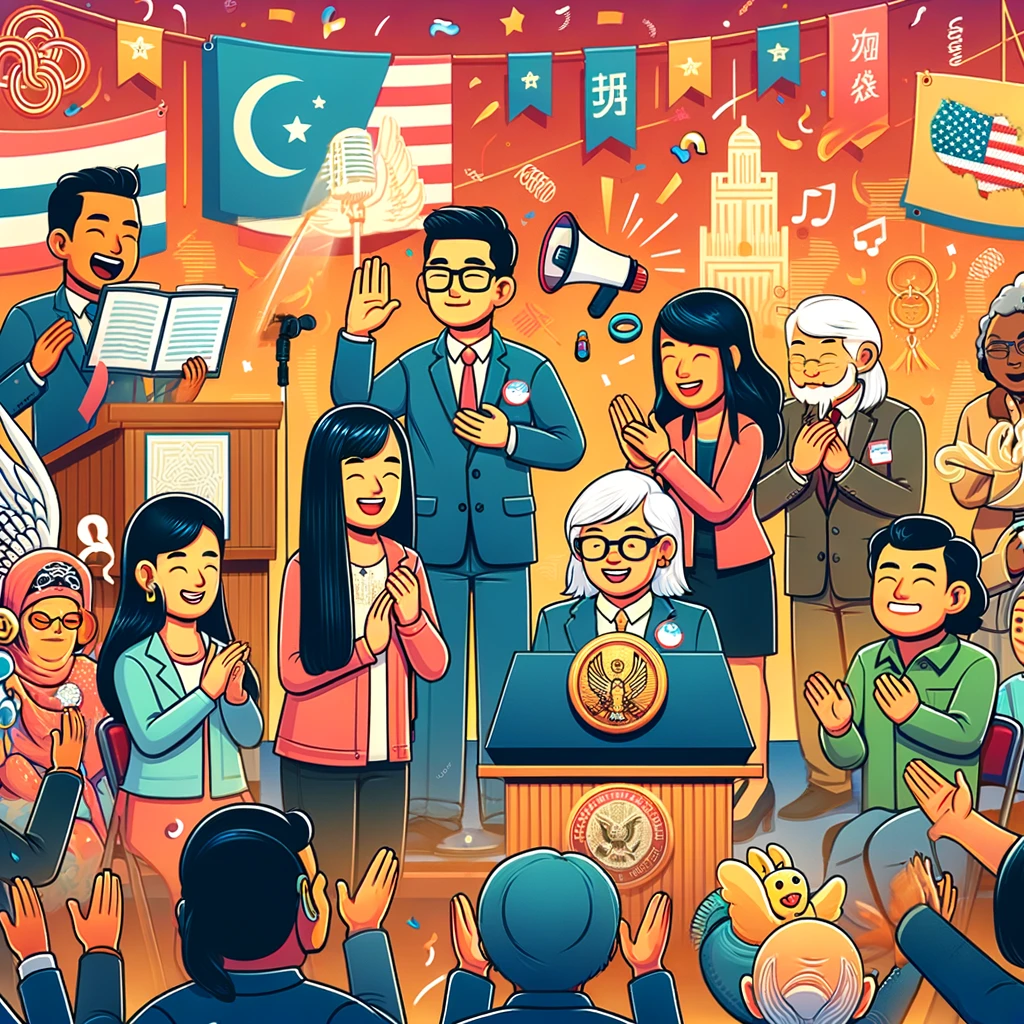
Asian American and Pacific Islander (AAPI) Heritage Month offers a unique moment to shine a light on the remarkable achievements and contributions of Deaf AAPI individuals. Historically, the intersectionality of being Deaf and belonging to an AAPI community can present unique challenges. However, these challenges also foster resilience, creativity, and innovative thinking. By recognizing the achievements of Deaf AAPI individuals, we pay tribute to their enduring spirit and contributions to society.
Introduction
Asian American and Pacific Islander Heritage Month, observed throughout the month of May, is a time to honor the rich cultural history, traditions, and contributions of Asian Americans and Pacific Islanders in the United States. Among these communities are Deaf AAPI individuals who have made significant impacts in various fields such as education, advocacy, the arts, and technology. Despite the dual layers of marginalization they may face—stemming from both their cultural heritage and their deafness—these individuals embody the spirit of perseverance and underscore the importance of inclusivity and representation.
The celebration of Deaf AAPI individuals during AAPI Heritage Month serves as a crucial reminder of the diversity within diversity. Their stories of overcoming adversity and achieving excellence offer powerful lessons on resilience and inspire future generations. This article aims to shed light on the lives and achievements of a few notable Deaf AAPI individuals, and discuss how their efforts contribute to broader societal improvements in deaf education and awareness. Their journeys portray the rich tapestry of experiences and perspectives that they bring to the AAPI community and more broadly, to society.
Spotlight on Achievements
One cannot talk about Deaf AAPI individuals without mentioning the remarkable achievements of Dr. Young Woo Kang. Dr. Kang, who is blind and deaf, is an inspiring figure who has dedicated his life to education, self-advocacy, and public service. He has been instrumental in raising awareness about the capabilities of people with disabilities, particularly within the Korean American and broader AAPI communities. Dr. Kang’s work has not only broken barriers but also opened doors for many others.
Another noteworthy individual is Jaleesa Echo-Hawk, a member of the Navajo Nation and of Pacific Islander descent, who has made strides in the field of deaf education. As an educator and advocate, Jaleesa works tirelessly to improve the educational experiences of Deaf students. Her dedication to developing inclusive curriculums and accessibility initiatives has had a lasting impact on how education systems support Deaf learners, particularly those from underrepresented backgrounds.
In the arts, Nita Shyong, a Deaf Asian-American performer and advocate, has made significant contributions. Her work in theater and advocacy has brought attention to the importance of representation and accessibility in the arts. Nita uses her platform to encourage aspiring Deaf artists from the AAPI community, showcasing that disability does not limit one’s ability to excel in creative fields.
Challenges Faced by Deaf AAPI Individuals
Deaf AAPI individuals often face unique challenges that stem from the intersectionality of their identities. Cultural stigma around disability, language barriers, and lack of representation can pose significant hurdles. For instance, traditional cultural beliefs in some AAPI communities may view disabilities as a source of shame, leading to isolation and difficulty in accessing resources and support.
Language barriers are another major challenge. Many Deaf AAPI individuals grow up in households where English is not the primary language spoken, which can complicate their communication needs. This multilingual dynamic adds a layer of complexity to their education and social interactions, as they may have to navigate between American Sign Language (ASL) and their native languages.
Representation, or rather the lack thereof, in media, education, and leadership roles contributes to the sense of marginalization. When Deaf AAPI individuals do not see themselves reflected in these spaces, it can impact their self-esteem and aspirations. Addressing these challenges requires an intersectional approach that considers the cultural, linguistic, and social dimensions of their experiences.
Advocacy and Community Building
Advocacy plays a crucial role in addressing the challenges faced by Deaf AAPI individuals. Organizations such as the National Association of the Deaf (NAD) and other grassroots groups have been instrumental in advocating for policies that promote inclusivity and accessibility. These organizations work tirelessly to ensure that Deaf individuals have equal opportunities in education, employment, and public services.
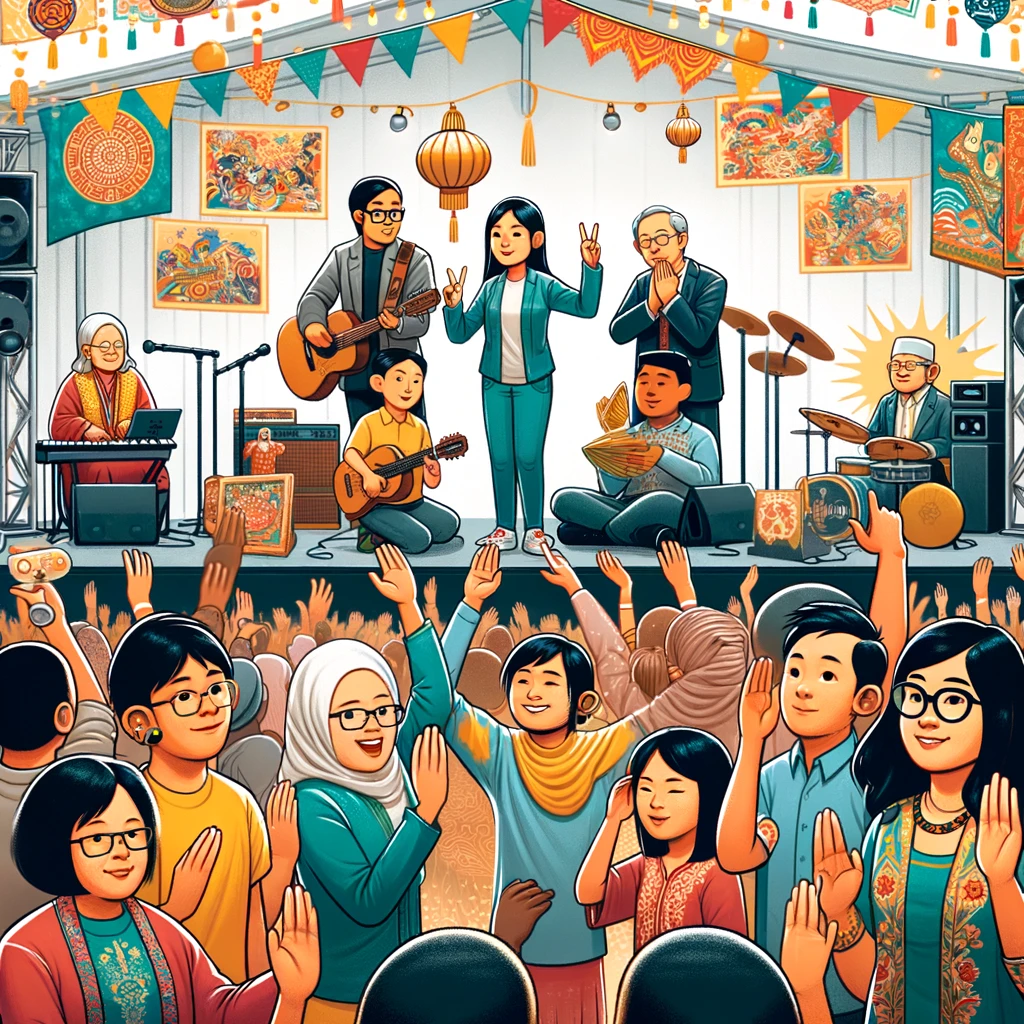
Community building is another essential aspect of advocacy. Creating safe and supportive spaces where Deaf AAPI individuals can connect, share experiences, and access resources is vital. Social media and online platforms have become powerful tools for community building, enabling individuals to transcend geographical barriers and foster a sense of belonging.
For example, the Deaf Asian People’s Association (DAPA) organizes events and conferences that bring together Deaf AAPI individuals to celebrate their culture and achievements. These gatherings provide opportunities for networking, mentorship, and collaboration. By strengthening community ties, such initiatives help to combat isolation and empower individuals to advocate for themselves and others.
The Role of Education
Education is a critical pathway to empowerment for Deaf AAPI individuals. Accessible and inclusive education systems can significantly impact their social, emotional, and intellectual development. However, achieving this requires concerted efforts to address the unique needs of these students.
Promoting bilingual-bicultural education models that incorporate both ASL and the students’ native languages can be effective. This approach recognizes the importance of cultural and linguistic diversity and aims to create an inclusive learning environment. Teacher training programs should also emphasize cultural competence and the use of assistive technologies to support Deaf learners.
Scholarship programs and mentorship initiatives can further support Deaf AAPI students in pursuing higher education and career goals. By providing financial assistance and guidance, these programs help to level the playing field and open doors to new opportunities.
Conclusion
Asian American and Pacific Islander Heritage Month is a time to celebrate the diversity, resilience, and accomplishments of the AAPI community, including Deaf AAPI individuals. Their contributions across various fields highlight the importance of inclusivity and representation. By acknowledging their achievements and addressing the challenges they face, we can work towards a more equitable and inclusive society.
As we celebrate Deaf AAPI individuals and their achievements, let us commit to advocacy, community building, and inclusive education. By doing so, we honor their legacy and pave the way for future generations to thrive. Together, we can create a world where all individuals, regardless of their hearing status or cultural background, have the opportunity to reach their full potential.