
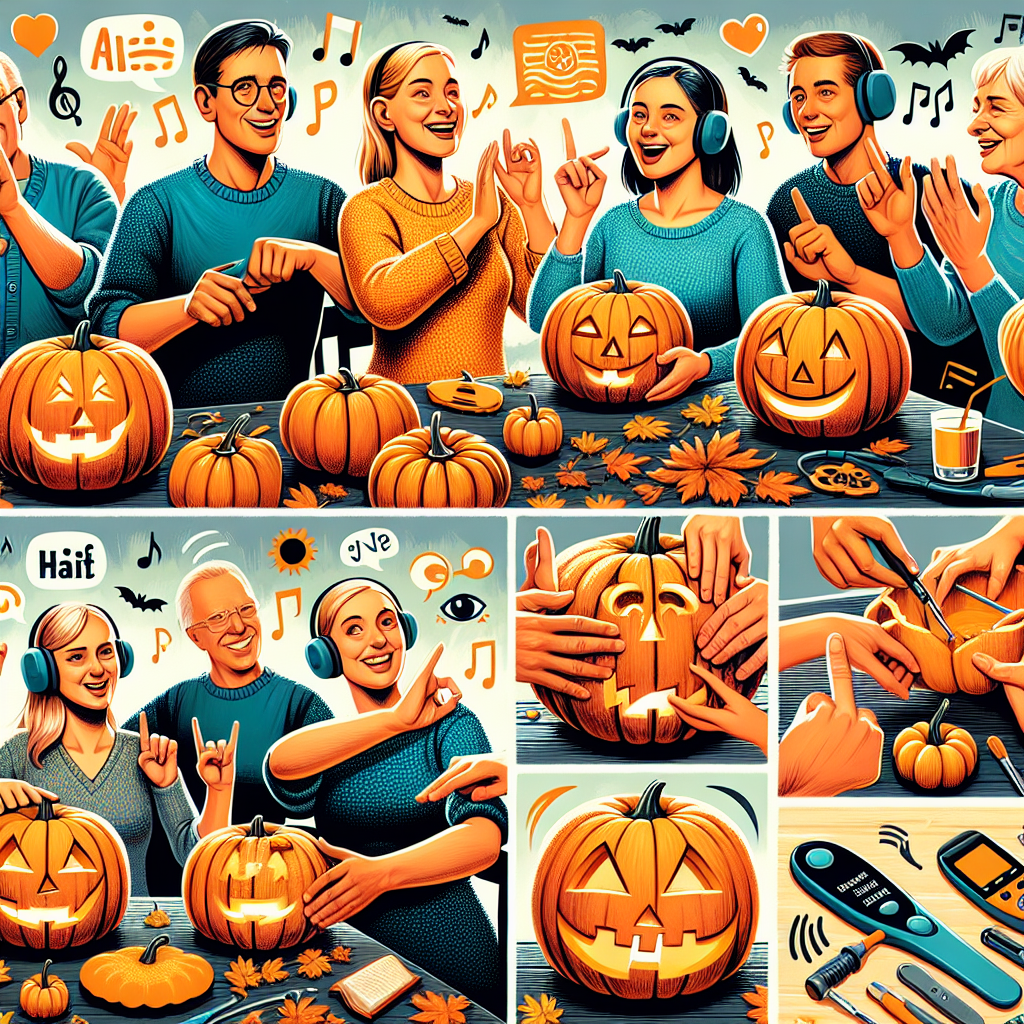
Fall is an exquisite season that brings a bounty of enjoyable activities for everyone, regardless of their abilities. One activity that stands out is pumpkin carving, an age-old tradition that can bring joy to individuals and families alike. However, for Deaf individuals, participating in such communal activities often requires thoughtful modifications and additional considerations to ensure everyone has an equal opportunity to join in the fun. This article is designed to provide a comprehensive guide to ensuring that pumpkin carving is accessible and enjoyable for Deaf individuals. We’ll discuss essential tips and techniques to promote inclusivity, ensuring that everyone can share in the seasonal festivities.
Engaging in pumpkin carving can provide a plethora of sensory experiences, from the texture of the pumpkin innards to the sight of a beautifully carved jack-o’-lantern. However, it also traditionally relies heavily on verbal communication for instructions, safety warnings, and social interactions. This creates a formidable barrier for Deaf individuals if proper accommodations aren’t put in place.
By making simple adjustments and integrating gestures, visual aids, and technology, we can bridge this gap, creating an inclusive and entertaining activity for all. This guide will explore various aspects, such as setting up an accessible environment, ensuring safety, and utilizing tools and communication methods that cater to the needs of Deaf individuals. So, gather your carving kits, pick out some perfect pumpkins, and let’s dive into creating inclusive and memorable fall experiences.
Setting Up an Accessible Environment
The first step to ensuring an accessible pumpkin carving experience is to create an environment that is welcoming and accommodating to Deaf individuals. This begins with selecting a space that is well-lit and has minimal auditory distractions. Good lighting is crucial as it allows everyone to see clearly, including any instructional materials, gestures, or sign language communications.
Arrange the carving area in a circular or semi-circular layout. This setup allows for better visual connectivity among participants, making it easier to make eye contact and follow visual cues. If open spaces are not available, consider using round tables to facilitate an inclusive atmosphere.
Utilize visual aids and printed materials to supplement verbal instructions. Posters or handouts with step-by-step carving instructions, safety tips, and pictures can be extremely helpful. Visual aids ensure that everyone can follow along, regardless of their hearing ability.
Lastly, consider the overall accessibility of the space. Ensure that the setup allows for easy movement and comfortable seating for all participants. Creating an accessible environment helps to make everyone feel included and sets the stage for an enjoyable carving experience.
Ensuring Safety in Pumpkin Carving
Safety is paramount in any pumpkin carving event, especially when incorporating tools and sharp objects. Ensuring the safety of Deaf individuals can be achieved through a combination of visual signals and clear, accessible instructions.
Start by providing a demonstration of safe carving techniques. Use visual aids such as posters or videos that clearly show the correct way to handle carving tools. Make sure that these demonstrations are easily visible to everyone in the group.
Implement a system of visual signals for safety warnings. For example, establish a hand signal to indicate “pause” or “stop” if someone is using a tool incorrectly or in an unsafe manner. Ensure that everyone understands these signals before starting the activity.
Consider using safer alternatives to traditional carving tools, such as plastic carving kits designed for children. These tools are typically easier to handle and reduce the risk of injury.
Lastly, always have a first aid kit readily available and ensure that at least one person is trained in basic first aid. This proactive approach ensures that any minor injuries can be promptly addressed, contributing to a safe and enjoyable experience for all.
Utilizing Technology and Communication Tools
Technology can play a pivotal role in enhancing communication during pumpkin carving activities, making it more accessible for Deaf individuals. There is a wide range of tools and resources that can be leveraged to facilitate better interaction and understanding.
Video tutorials with sign language interpretation can be a valuable resource. Platforms such as YouTube offer numerous how-to videos that include ASL (American Sign Language) interpreters, ensuring that instructions are accessible to Deaf participants. You can play these videos during the event or share links beforehand so participants can familiarize themselves with the process.
Mobile apps designed for communication, such as video relay services or real-time text translation, can bridge communication gaps. These apps allow for instant translation of spoken language into text or sign language, making it easier for Deaf individuals to follow conversations and instructions.
In addition, consider using captions or subtitles for any spoken instructions. Many video conferencing tools, like Zoom, offer automatic captioning features that can be utilized during virtual events.
By integrating these technologies, you enhance inclusivity and ensure that Deaf individuals have equal access to information and communication, leading to a more enjoyable and participatory pumpkin carving experience.
Interactive and Social Aspect of Pumpkin Carving
Pumpkin carving is not just about creating art; it’s also a social activity that fosters connection and camaraderie. For Deaf individuals, ensuring that the social aspect of the event is engaging and accessible is crucial.
Encourage the use of sign language throughout the event. If you’re not familiar with ASL, consider hiring a professional interpreter or inviting someone who is fluent to assist. This ensures effective communication and helps Deaf participants feel included.
Organize group activities or team challenges, such as creating themed jack-o’-lanterns. Group activities encourage teamwork and interaction, providing an opportunity for Deaf individuals to engage with others in a fun and collaborative manner.
Promote inclusion by having conversations about Deaf culture and the importance of accessibility. This can be a great way to educate participants and foster a more inclusive and empathetic environment.
Finally, capture the memories by taking photos or creating a video montage of the event. Visual content is a powerful way to share the experience and can be particularly meaningful for Deaf individuals, allowing them to relive the moments and share with others.
Incorporating Creative Elements in Pumpkin Carving
Creativity is at the heart of pumpkin carving, and incorporating unique and innovative elements can enhance the experience for everyone involved. Deaf individuals may bring new perspectives and artistic styles to the table, enriching the activity for the entire group.
Experiment with different pumpkin carving techniques beyond the traditional methods. For example, consider using paint, markers, or stickers to decorate pumpkins. These alternatives can be less messy and easier to manage, especially for younger participants or those who may be hesitant to use carving tools.
Introduce thematic or story-driven carving projects. Encourage participants to create pumpkin designs that tell a story or convey a particular theme. This can be a wonderful way for Deaf individuals to express their creativity and share their stories visually.
Host a pumpkin carving contest with various categories, such as “Most Creative,” “Scariest,” or “Best Use of Color.” Ensure that everyone has a chance to showcase their work and receive recognition for their efforts.
Incorporate technology by using apps that allow participants to design their pumpkin carvings digitally before transferring the designs onto the pumpkins. Digital tools can provide a new layer of innovation and precision to the carving process.
Conclusion
Accessible pumpkin carving can be a joyous and inclusive activity that brings people together, regardless of their hearing abilities. By taking the time to create an accommodating environment, ensuring safety, utilizing technology, and emphasizing inclusion, we can enhance the pumpkin carving experience for Deaf individuals.
The steps outlined in this guide provide a solid foundation for organizing an accessible pumpkin carving event. It’s important to remember that inclusivity is not just about enabling participation but also fostering a sense of belonging and community. This can be achieved through thoughtful planning, open communication, and a willingness to embrace new approaches.
As the fall season ushers in a time of togetherness and celebration, let’s ensure that our activities reflect the diversity and inclusivity that makes our communities strong. Pumpkin carving can be a wondrous way to connect with loved ones, express creativity, and build lasting memories.
So, let’s get carving! Gather your friends and family, prepare your carving kits, and embark on an accessible pumpkin carving adventure that everyone can enjoy. Remember, the goal is to create an environment where everyone feels valued, included, and, most importantly, has fun.