
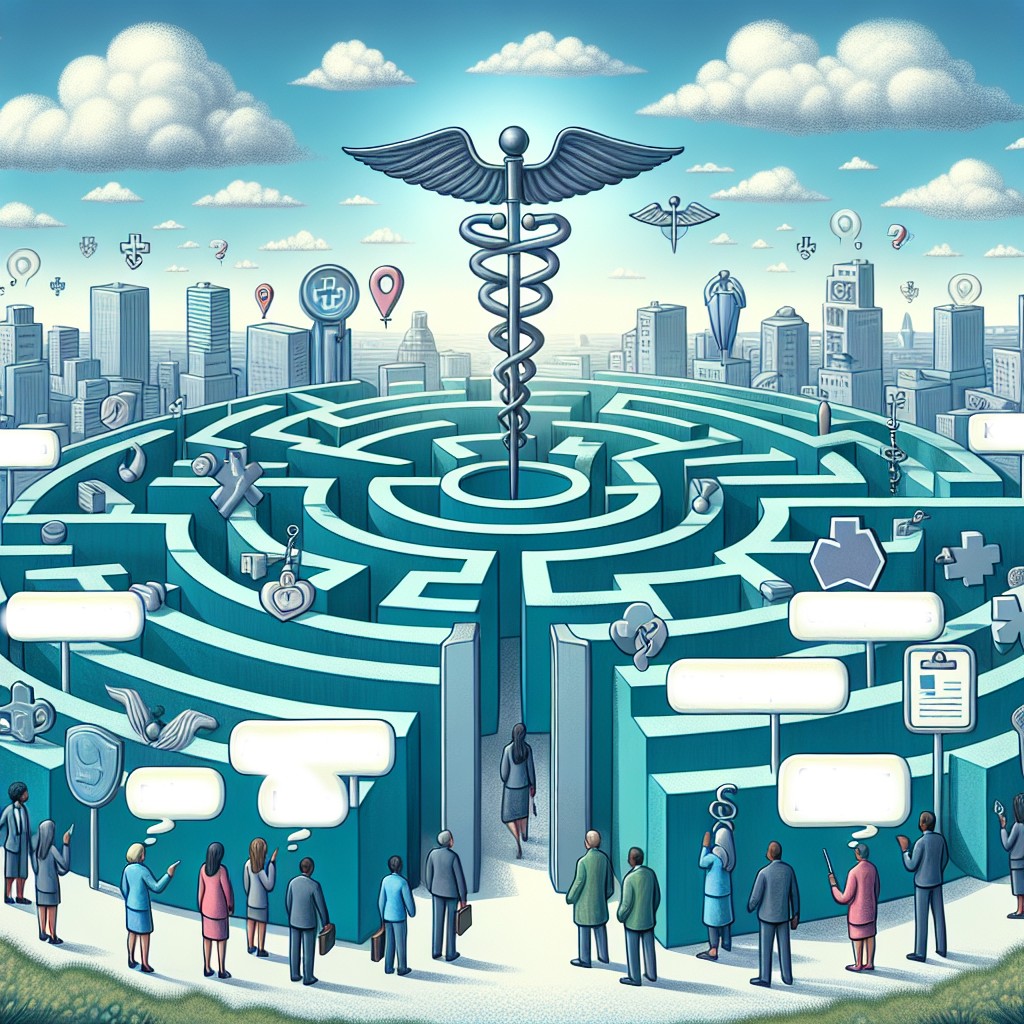
In today’s world, healthcare should be accessible to everyone, regardless of their hearing ability. Accessibility in healthcare is essential for ensuring that the Deaf and Hard of Hearing (DHoH) community receives quality medical care. Effective healthcare communication plays a critical role in achieving this goal and in promoting the overall health and well-being of individuals who are Deaf or Hard of Hearing.
Navigating the healthcare system poses numerous challenges to people with profound hearing loss. Communication barriers can lead to misunderstandings, misdiagnoses, inadequate treatment, and even mistrust between patients and providers. However, with thoughtful strategies and practices that healthcare providers and the DHoH community can employ, these barriers can be significantly mitigated. This article aims to shed light on practical strategies to navigate the healthcare system effectively by enhancing communication and overcoming these barriers.
Understanding the Barriers in Deaf Healthcare Communication
The first step towards improving healthcare for the Deaf and Hard of Hearing is to understand the inherent barriers that exist. Some of the most significant barriers include:
- Lack of Awareness: Many healthcare providers lack the knowledge and awareness of how to effectively communicate with Deaf patients. This includes an understanding of DHoH culture and language.
- Communication Challenges: Conventional communication channels, such as verbal conversation and written instructions, can be inadequate or ineffective for DHoH individuals. This is especially important in situations requiring immediate and clear communication.
- Inaccessibility of Interpreters: Finding and providing qualified interpreters can be challenging, which often leads to delayed or inadequate medical consultations.
- Technological Gaps: Lack of appropriate assistive technologies within healthcare settings can further hinder effective communication.
- Lack of Training: Many medical personnel have little to no training on how to interact effectively with DHoH patients.
Recognizing these barriers is crucial for developing strategies and resources to enhance healthcare accessibility for the DHoH community.
Strategies for Effective Communication
Communicating effectively with Deaf and Hard of Hearing patients requires deliberate actions and proactive approaches by healthcare providers. Here are some effective strategies:
- Use of Qualified Interpreters: Ensure the presence of qualified sign language interpreters for medical consultations. This may involve scheduling interpreters well in advance for planned appointments.
- Utilize Assistive Technologies: Technologies such as Communication Access Real-time Translation (CART), video relay services (VRS), and handheld devices that facilitate text communication can be highly beneficial.
- Training for Healthcare Providers: Medical staff should undergo training on basic sign language and other communication techniques specific to DHoH patients. Familiarity with basic signs related to health topics can greatly enhance interactions.
- Effective Use of Visual Aids: Visual aids like charts, diagrams, and written instructions should be used liberally to ensure patients understand medical conditions and treatments.
- One-on-One Engagement: Taking the time to engage directly and face-to-face with patients can help in reading lips and maintaining visual cues, which are critical for DHoH interactions.
Such strategies, when effectively implemented, foster better understanding and trust between healthcare providers and their DHoH patients.
Overcoming Technological Barriers
Modern technology provides a wealth of tools that can be leveraged to improve healthcare experiences for the DHoH community. Here are specific approaches:
- Telehealth Services: Telehealth platforms equipped with video relay services can provide real-time interpretation for hearing-impaired individuals. This ensures smoother and more effective remote consultations.
- Personalized Health Apps: Apps designed to cater to the communication needs of DHoH individuals can offer features like captioning, alerts, and direct access to interpreters.
- Automated Transcription Services: Implementing services that offer instant transcription of spoken language into text can be very helpful in clinical settings.
- Electronic Health Records (EHR): Making EHR accessible through platforms that support text, video, and sign language can ensure that DHoH patients are better informed about their health status and care plans.
Implementing these technological solutions can help mitigate many communication barriers and enhance the overall healthcare experience for the DHoH community.
The Role of Family and Advocates
Family members and advocates can play a crucial role in assisting DHoH individuals in navigating the healthcare system. Their involvement can:
- Provide Emotional Support: The presence of supportive family members can ease anxiety during medical appointments.
- Coordinate Care: Advocates can help in scheduling appointments, ensuring interpreter availability, and following up on medical instructions.
- Enhance Communication: Family members familiar with the patient’s mode of communication can facilitate a clearer understanding between the patient and healthcare providers.
- Promote Advocacy: Family and other advocates can serve as voices for the patient, ensuring their needs and preferences are heard and respected within the healthcare environment.
Encouraging active participation from family and advocates can greatly improve the healthcare outcomes for DHoH individuals.
Legal and Policy Considerations
In many countries, there are legal frameworks and policies designed to protect the rights of the Deaf and Hard of Hearing in healthcare settings. For instance:
- Americans with Disabilities Act (ADA): In the United States, the ADA mandates that healthcare providers must ensure effective communication with patients who have hearing disabilities, including the provision of interpreters and other aids.
- Patient Rights: Many jurisdictions have specific patient rights laws that guarantee access to information in a comprehensible format for DHoH patients.
- Healthcare Accreditation Standards: Accreditation bodies often require healthcare institutions to demonstrate compliance with accessibility standards for patients with disabilities, including hearing impairments.
- Funding and Resources: Governments and non-profit organizations may offer funding and resources to healthcare facilities to improve accessibility for DHoH patients.
Understanding and utilizing these legal protections and policies can empower DHoH individuals to advocate for their right to accessible healthcare.
Conclusion
Enhancing healthcare accessibility for the Deaf and Hard of Hearing is a multifaceted challenge that requires dedicated efforts from healthcare providers, the community, and policymakers. By understanding the barriers, employing effective communication strategies, leveraging technological advancements, involving family and advocates, and adhering to legal frameworks, we can create a more inclusive healthcare environment.
This comprehensive approach ensures that Deaf and Hard of Hearing individuals receive the quality healthcare they deserve, promoting their overall health and well-being. As awareness grows and more healthcare providers adopt these strategies, we move closer to a world where healthcare is truly accessible to all, regardless of hearing ability.