
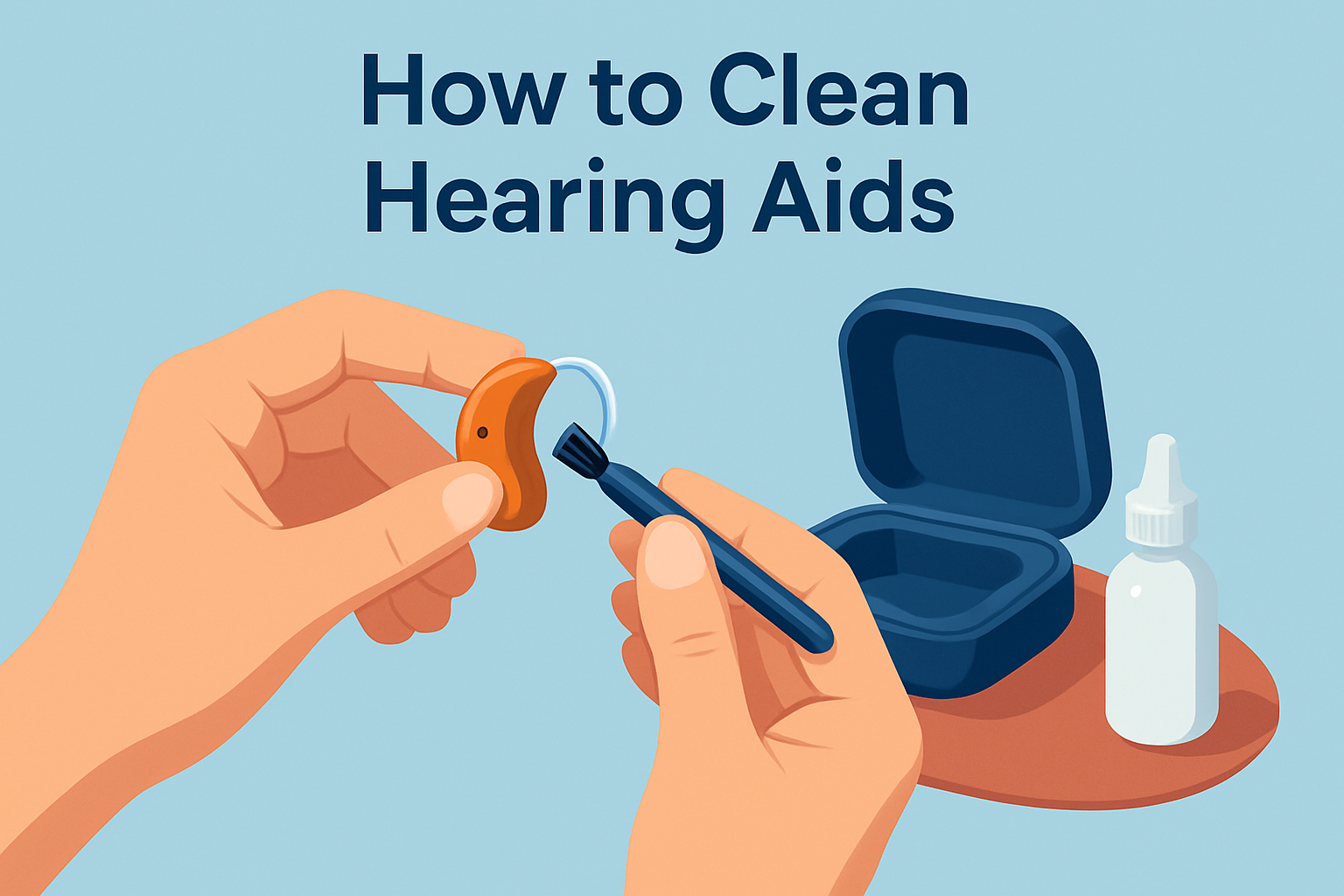
Hearing aids work best when they are clean, dry, and handled with a routine that matches how these small medical devices are actually used in daily life. Knowing how to clean hearing aids matters because wax, skin oils, moisture, and dust can block microphones, reduce amplification, cause feedback, shorten battery life, and lead to avoidable repairs. In clinic settings and in real-world patient follow-up, I have seen many “broken” devices return to normal performance after simple maintenance, especially when the issue was a clogged wax guard, debris in the microphone ports, or corrosion from humidity. That practical reality makes cleaning one of the most valuable habits any hearing aid wearer can learn.
A hearing aid is an electronic device designed to amplify and process sound for a person with hearing loss. Common styles include behind-the-ear, receiver-in-canal, in-the-ear, and completely-in-canal models. Each style has different exposed parts, but all share one basic vulnerability: they sit close to wax, perspiration, hair products, and environmental dirt. Cleaning, therefore, is not cosmetic. It is preventive maintenance. It protects sound quality, supports speech understanding, and helps preserve the manufacturer’s intended performance. It also reduces the risk that a user mistakes a maintenance problem for a change in hearing, which can delay proper care.
When people search how to clean hearing aids, they usually want direct answers to a few questions. How often should hearing aids be cleaned? What tools are safe? Can you use alcohol, soap, or water? What is the correct method for wax guards, domes, earmolds, and charging contacts? The short answer is this: wipe the device daily with a dry, soft cloth; remove visible wax with hearing aid tools approved by the manufacturer; keep moisture away from the electronics; and follow a deeper weekly cleaning routine for removable parts. The exact method depends on whether the aid has custom earmolds, disposable domes, rechargeable contacts, or a receiver wire.
This topic matters beyond convenience because hearing aids represent both a medical investment and a communication lifeline. Untreated maintenance problems can make conversations harder, increase listening fatigue, and reduce confidence at work, home, or social events. For older adults, that can contribute to withdrawal and misunderstanding. For people who rely on hearing aids in meetings, classrooms, or healthcare appointments, a blocked sound outlet can affect daily function immediately. Cleaning is also linked to hygiene. Earwax is normal and protective, but once it hardens on a sound outlet or dome, it can compromise performance and sometimes irritate the ear canal if debris accumulates on the surface of the device.
There is also an important safety principle at the start: always follow the manufacturer’s care instructions and any advice from your audiologist or hearing instrument specialist. Different brands use different wax management systems, charging docks, microphone designs, and water-resistance ratings. “Water-resistant” does not mean “safe to rinse under a tap,” and a cleaning method that is fine for a detachable earmold may ruin a receiver unit. The most reliable approach is to combine universal best practices with model-specific guidance. Once you understand the parts of your hearing aid and the limits of your device, cleaning becomes simple, fast, and effective.
Know your hearing aid parts before you clean
The first step in proper hearing aid care is identifying the parts you are touching. On a behind-the-ear device, the main body sits behind the ear and usually connects to either a tube and earmold or a thin receiver wire with a dome. On a custom in-the-ear or in-the-canal device, the microphones, battery door or charging contacts, sound outlet, and faceplate are built into one shell. If you do not know which opening is a microphone port and which is the sound outlet, it is easy to push wax into the wrong place and make the problem worse.
In practice, I advise users to learn five maintenance points: microphones, sound outlet, wax guard, dome or earmold, and power area. The microphones collect sound and are highly sensitive to debris. The sound outlet is where amplified sound leaves the aid and enters the ear canal; this area commonly clogs with wax. The wax guard is a small replaceable filter that protects the receiver from wax. Domes are soft tips used on many receiver-in-canal devices, while earmolds are shaped pieces attached to tubing on many behind-the-ear aids. The power area may be a battery compartment or rechargeable charging contacts, both of which must stay clean and dry.
Understanding style differences changes cleaning technique. Receiver-in-canal devices often need careful brushing around the dome and regular wax guard replacement. Traditional behind-the-ear devices with tubing may require the earmold to be detached and cleaned separately if the manufacturer allows it. Custom in-ear devices need delicate surface cleaning because the electronics are built into the shell. This is why one-size-fits-all advice can be risky. The same user who can safely wash a detached earmold must never soak the hearing aid itself. Clear part identification prevents expensive mistakes.
What you need to clean hearing aids safely
You do not need many supplies, but you do need the right ones. The standard kit includes a soft, dry, lint-free cloth; a hearing aid brush; a wax pick or loop tool; manufacturer-approved wax guards; replacement domes if your device uses them; and a drying container or electronic hearing aid dryer if you live in a humid climate or perspire heavily. For rechargeable models, include a clean microfiber cloth or cotton swab for the charging contacts, used only when dry. Many audiology clinics provide starter cleaning tools because these are safer than improvised household items.
Avoid common mistakes. Do not use paper towels that shed fibers into microphone ports. Do not use sewing needles, pins, toothpicks, or metal tools not designed for hearing aids, because they can puncture wax guards, damage receivers, or widen microphone openings. Do not spray cleaners directly onto the device. Alcohol wipes may be permitted on some exterior shells, but they are not universally safe and should never saturate the aid. Hydrogen peroxide, bleach-based cleaners, and running water are also poor choices for the electronics. If a cleaning product is not specifically allowed by the manufacturer, assume it is unsafe until confirmed.
The best setup is a clean, well-lit table covered with a soft towel. That simple step prevents small parts from bouncing away and protects the device if dropped. I also recommend washing and drying your hands before maintenance. Greasy fingers transfer oils to microphones and domes, and damp hands add moisture where it is not wanted. If you wear magnifying glasses or use a desk lamp, bring them out. Seeing the wax guard clearly makes a major difference, especially for older adults handling tiny components.
| Item | Safe use | Why it helps |
|---|---|---|
| Soft dry cloth | Daily wipe of shell and exterior | Removes oils, sweat, and surface debris |
| Hearing aid brush | Brush microphones and sound outlet gently | Dislodges dry wax without forcing it inward |
| Wax loop or pick | Lift visible wax from openings carefully | Clears blockages with more control |
| Replacement wax guards | Change when clogged or on schedule | Protects receiver and restores sound |
| Drying cup or dryer | Use overnight in humid conditions | Reduces moisture-related malfunction and corrosion |
Daily cleaning routine for hearing aids
The best answer to how to clean hearing aids every day is to keep the routine short enough that you will actually do it. Remove the hearing aids at night over a soft surface. Turn them off. If they use disposable batteries, open the battery door. If they are rechargeable, follow the brand’s instruction for powering down or placing them in the charger. Then inspect the entire device under good light. Look for wax on the dome, around the sound outlet, at the earmold opening, or on the faceplate near the microphones.
Next, wipe the exterior with the dry cloth. This removes perspiration, skin oils, makeup, and dust before those materials harden. Use the hearing aid brush to gently sweep around the sound outlet and microphone areas. The direction matters. Brush debris away from the openings rather than into them. If you see wax near the outlet, use the loop or pick sparingly to lift it off the surface. If the wax is deep or hardened, do not dig aggressively. That is usually a sign the wax guard or dome needs replacement instead.
For behind-the-ear devices with tubing, inspect the tubing for moisture droplets or discoloration. Tubing that looks cloudy, stiff, or yellowed may need replacement by a professional. For receiver-in-canal devices, look at the dome for tears, flattening, or wax buildup. Domes are inexpensive parts that should be replaced regularly, often every few weeks to months depending on wear and manufacturer advice. A damaged dome can affect retention, comfort, and sound delivery. Daily inspection catches those issues before they turn into a larger performance problem.
After cleaning, store the hearing aids in a safe, dry place away from pets, children, bathroom steam, and direct sunlight. Many hearing aid users leave devices on a bathroom counter, which is one of the worst spots because of humidity and accidental splashing. A bedside drying cup or the manufacturer’s charger on a stable nightstand is far safer. Consistency is the hidden advantage of a daily routine. When you clean at the same time each evening, you notice changes in sound quality and physical wear much sooner.
Weekly deep cleaning for domes, earmolds, and wax guards
Daily care handles surface debris, but weekly cleaning addresses the parts most likely to affect sound output. The exact schedule depends on your wax production, environment, and hearing aid style. People who produce heavy earwax, exercise frequently, or live in humid climates may need more frequent deep maintenance. In my experience, many users wait until the sound becomes weak or distorted, but that is later than ideal. Preventive cleaning maintains stable performance and reduces urgent visits for avoidable issues.
For receiver-in-canal hearing aids, start by removing the dome if your manufacturer permits user replacement. Wipe the receiver wire and exterior gently, but never immerse the receiver. Replace the dome if it is discolored, torn, loose, or heavily coated with wax. Then check the wax guard. Most wax guard systems use a small replacement stick with one end for removal and the other for insertion. Pull out the old guard straight, insert the new one fully, and discard the used part. Once replaced, many “dead” receivers immediately return to normal output.
For behind-the-ear aids with detachable earmolds, the mold and tubing may sometimes be separated from the electronic portion and washed in warm, soapy water, then thoroughly dried before reattachment. This can be effective for visible wax and debris, but only if your manufacturer or audiologist has shown you the correct method. The hearing aid body itself must stay dry. Moisture trapped in tubing can block sound, so an air blower designed for earmold tubing is often used after washing. Reconnecting damp tubing is a common cause of temporary malfunction.
Custom in-the-ear devices usually require a gentler deep clean because the electronics are integrated into the shell. Use a brush and wax loop carefully at the sound bore and around the vent openings. If the device uses a replaceable wax filter, change it on schedule. If wax repeatedly packs into the vent or bore, professional ultrasonic cleaning or vacuum cleaning at a clinic may be the most effective option. Weekly attention is not excessive; it is the maintenance interval that prevents sound degradation from building unnoticed over time.
How to remove earwax without damaging the device
Earwax is the main reason people search for hearing aid cleaning advice, and it deserves careful handling. Cerumen is normal, protective, and produced in different amounts by different ears. Hearing aids can interfere with natural wax migration, which means wax may collect on domes, sound bores, and wax guards faster than people expect. The correct rule is simple: remove only wax you can clearly see on the surface, and use tools intended for hearing aids. If wax is packed inside an opening, do not push harder. Replace the wax guard or seek professional service.
To clean visible wax, hold the hearing aid so the opening faces downward. This uses gravity to help debris fall out instead of inward. Brush lightly around the outlet. If a small piece remains at the edge, lift it with the loop. For microphone ports, be even gentler. Microphone mesh is delicate, and damage there affects speech clarity more than many users realize. I have seen devices arrive with scratched microphone covers because someone used a household pin. That kind of avoidable damage often costs more than a routine office cleaning.
If wax buildup is heavy and recurring, the better solution may be ear care rather than more aggressive device cleaning. An audiologist or physician can check for impacted wax in the ear canal, and some users benefit from a schedule for professional earwax management. This is especially important if sound suddenly drops in one aid, the device seems to whistle more than usual, or the dome comes out coated each day. Repeated buildup can indicate canal anatomy, skin conditions, or wax consistency that need separate attention.
Do not try to melt or dissolve wax on the hearing aid with oils, peroxide, or over-the-counter ear drops. Those products belong, if appropriate and medically advised, in the ear, not on the electronics. They can seep into receivers and microphones and cause failure. The safest approach is mechanical surface removal, regular wax guard replacement, and professional help when the blockage is internal or persistent. That method protects both the device and the ear.
Moisture, sweat, and charging contacts: preventing silent damage
Moisture is the second major enemy of hearing aids after wax. Sweat from exercise, humidity, rain, and even temperature changes can create condensation inside tiny electronic compartments. The result may be intermittent sound, corrosion, charging problems, or complete failure. Modern devices often have nanocoatings and improved ingress protection, but those features reduce risk; they do not eliminate it. Users who assume a water-resistant hearing aid can tolerate careless handling often learn otherwise after a charging dock stops recognizing the device or a receiver begins to cut out.
Daily drying is one of the highest-value habits for hearing aid maintenance. If you use disposable batteries, open the battery door overnight to allow ventilation. If you use rechargeable hearing aids, wipe the charging contacts and the charger wells gently with a dry cloth before docking, especially if you have perspired during the day. Dirt or skin oil on the contacts can prevent full charging and mimic a battery failure. In humid regions or for active users, a dehumidifying cup or an electronic drying system used overnight can significantly reduce moisture-related problems.
There are tradeoffs. Drying products help, but they do not replace careful handling after direct water exposure. If hearing aids get wet, remove them immediately, power them off, dry the exterior, and follow the manufacturer’s emergency instructions. Do not use a hair dryer, microwave, oven, or direct heater. Excess heat can warp shells, damage batteries, and shorten component life. Some clinics use professional drying chambers that are far more controlled than home improvisations, so prompt service is wise if a soaked device behaves oddly afterward.
Moisture control also means changing habits around grooming and exercise. Put hearing aids in after hair spray, sunscreen, or facial products have dried. Remove them before swimming, showering, or entering a sauna. Use sweatbands during intense activity if helpful. These simple steps matter because corrosion often builds gradually, and by the time sound becomes inconsistent, the internal damage may already be advanced. Prevention is easier and cheaper than repair.
When to troubleshoot at home and when to see a professional
Home cleaning solves many common issues, but not all of them. If the hearing aid is weak, first check volume settings, program settings, battery status or charge level, wax guard condition, dome or earmold blockage, and microphone debris. If feedback increases, inspect for wax, a loose dome, poor insertion, or a torn earmold. If the aid is dead, test the battery or charger, examine contacts, and replace the wax guard if the receiver is blocked. These steps resolve a large share of everyday problems without delay.
However, some signs call for professional help. Seek service if sound remains weak after cleaning, if the aid is intermittent, if the battery drains unusually fast, if there is visible corrosion, if the receiver wire is damaged, or if tubing is hardened and altering fit. Also seek help if wearing the aid becomes uncomfortable, the ear canal feels sore, or you suspect earwax impaction or infection. Cleaning the device will not correct a medical ear problem, and trying to force a painful aid back into the ear can worsen irritation.
Routine professional maintenance is worth scheduling even for careful users. Audiology clinics often perform suction cleaning, microphone vacuuming, firmware checks, real-ear verification, and part replacement that users cannot do at home. They can also confirm that reduced benefit is not due to hearing changes. In practice, the best outcomes come from combining disciplined daily care with periodic clinical support. That balance protects performance, preserves warranty value, and keeps small maintenance issues from turning into communication setbacks.
Cleaning hearing aids is not complicated, but it does need to be deliberate, regular, and matched to the specific device you wear. The core method is consistent across brands: inspect under good light, wipe the exterior daily, brush away visible debris, replace wax guards and domes on schedule, and keep moisture away from electronics and charging points. When users follow that routine, they usually hear better, experience fewer sudden failures, and spend less on preventable repairs. The benefit is practical and immediate: clearer sound and more dependable communication.
The most important takeaway is that safe cleaning depends on respecting the difference between removable ear components and the electronic hearing aid itself. Detached earmolds may sometimes be washed if the manufacturer allows it, but receivers, custom shells, microphones, and charging systems should be cleaned with dry tools and careful technique. Avoid household shortcuts such as pins, alcohol saturation, or running water. They create damage far more often than they solve problems. If wax is internal, sound remains poor, or moisture exposure was significant, professional service is the right next step.
A simple habit keeps everything manageable. Build a nightly two-minute check, add a weekly deeper clean, and keep replacement wax guards and domes on hand so maintenance never becomes a crisis. If you are unsure which parts your model has or how to remove them safely, ask your audiologist for a hands-on demonstration and written care instructions. Use this guide to how to clean hearing aids as your baseline, then tailor the routine to your device, your ears, and your environment. Start today, and your hearing aids will reward that attention with better performance and longer life.
Frequently Asked Questions
How often should you clean hearing aids?
Most hearing aids should be cleaned lightly every day and checked more thoroughly every week. A simple daily routine is usually enough to prevent the most common performance problems caused by earwax, skin oil, dust, and moisture. In practical terms, that means wiping the outside of the hearing aid with a soft, dry cloth at the end of the day, inspecting the microphone openings and sound outlet for visible buildup, and storing the device properly overnight. If your hearing aids use domes, wax guards, or earmolds, those parts should also be checked regularly because even a small blockage can reduce volume, distort sound, or trigger feedback.
The exact cleaning schedule depends on how you wear the devices. People who produce more earwax, perspire heavily, exercise with their hearing aids in place, or live in humid or dusty environments often need more frequent maintenance. Behind-the-ear models with tubing and earmolds may need routine checks for moisture or wax in the tubing, while in-the-ear styles may need closer attention around microphone ports and wax filters because they sit deeper in the ear canal and collect debris faster. If sound becomes weaker, more intermittent, or less clear before your normal cleaning interval, that is a sign the hearing aids should be inspected sooner rather than later.
A good rule is to treat cleaning as part of the same routine as removing your hearing aids each night. Consistency matters more than aggressive scrubbing. Gentle, regular maintenance helps preserve sound quality, reduces the chance of avoidable repairs, extends battery performance, and makes it easier to catch problems early. Many hearing aids that seem to have “stopped working” simply need wax removal, drying, or a fresh filter rather than major service.
What is the safest way to clean hearing aids at home?
The safest approach is to use dry, gentle tools and follow the manufacturer’s care instructions for your specific model. Start by washing and drying your hands thoroughly. Remove the hearing aids and, if applicable, open the battery door or power the rechargeable device off before cleaning. Use a soft, dry, lint-free cloth to wipe the outer surfaces. A small hearing aid brush can help remove debris from microphone ports, domes, and crevices, but brushing should be done lightly so wax is lifted away rather than pushed deeper into the openings.
For earmolds or domes, inspect the sound outlet closely. If your device has replaceable wax guards or filters, change them as directed instead of trying to dig wax out with sharp objects. For behind-the-ear hearing aids with detachable earmolds, some earmolds can be separated from the electronics and cleaned according to the provider’s instructions, but the hearing aid itself should not be exposed to water. If you are unsure whether a part is removable or washable, it is best to pause and confirm with your audiologist or hearing care provider before proceeding.
Avoid alcohol, hydrogen peroxide, household cleaners, soap residue, and wet wipes unless the manufacturer specifically recommends a product designed for hearing aids. Liquids can enter delicate internal components and damage microphones, receivers, or battery contacts. Never use pins, toothpicks, or metal tools to clear openings. The goal is careful maintenance, not force. If buildup does not come off easily, or if the hearing aid still sounds weak after cleaning, professional servicing is safer than trying to scrape or pry debris from the device at home.
Can you use water, alcohol, or cleaning wipes on hearing aids?
In most cases, no. Hearing aids are sensitive electronic medical devices, and even models with some moisture resistance should not be treated as waterproof unless the manufacturer clearly says so. Water can seep into microphone ports, battery compartments, charging contacts, receivers, or internal circuitry. Alcohol and strong cleaners can dry out, discolor, or degrade plastic parts, domes, tubing, and protective coatings. Standard household cleaning wipes may also leave residue behind, which can affect sound openings and sensitive surfaces.
The safest default is to use a dry cloth, a hearing aid brush, and approved cleaning accessories made specifically for hearing aid maintenance. If your hearing care provider has recommended disinfecting wipes or sprays designed for hearing aids, use only those products and follow the instructions carefully. Even then, the product is usually intended for external surfaces only, not for soaking or saturating the device. Moisture should never be allowed to drip into ports or seams.
If your hearing aids are exposed to water accidentally, remove the battery if the model uses one, open the battery door, dry the exterior gently, and place the devices in a hearing aid dehumidifier or drying container if available. Rechargeable models should be dried according to the manufacturer’s instructions and should not be placed on the charger while still wet. Avoid using a hair dryer, microwave, oven, or direct heat source, as excessive heat can warp components and permanently damage the device. When in doubt, it is always safer to have the hearing aids checked professionally after a moisture event.
Why do hearing aids still sound weak or distorted after cleaning?
If a hearing aid still sounds weak, muffled, distorted, or intermittent after cleaning, there may be a blockage or technical issue that is not fully resolved by surface maintenance. Earwax is still one of the most common reasons for reduced sound, but buildup may be trapped in the wax guard, receiver opening, tubing, or microphone ports in a way that is not obvious from the outside. In many cases, replacing a wax filter, changing a dome, or checking tubing for moisture or cracks restores normal performance. Batteries can also be the culprit. A weak disposable battery or incomplete charge on a rechargeable model can cause poor amplification, inconsistent output, or sudden cutouts.
Another common cause is moisture. Hearing aids are worn in and around the ear, which means they are exposed to perspiration, humidity, and daily temperature changes. Even when the outside looks clean, internal moisture can affect microphone function or receiver performance. Using a dehumidifying case overnight can help, especially for people who sweat more or live in humid climates. Feedback, whistling, or odd sound quality can also result from poor fit, hardened domes, damaged tubing, or changes in the ear canal such as wax impaction.
If basic cleaning, filter replacement, and battery checks do not fix the issue, the device may need professional evaluation. Receivers, microphones, switches, and battery contacts can wear over time, and programming issues or physical damage may also affect performance. It is important not to assume the hearing aid is permanently broken without checking the simple possibilities first, because many problems are maintenance-related and easily corrected. At the same time, persistent distortion or reduced sound deserves timely attention so that small issues do not become larger repair needs.
What supplies do you need to keep hearing aids clean and working well?
A practical hearing aid care kit does not need to be complicated, but it should include a few essentials. Start with a soft, dry, lint-free cloth for wiping the exterior each day. A hearing aid cleaning brush is useful for gently clearing loose wax and dust from microphone openings, domes, and seams. Wax guards or filters, if your hearing aids use them, should be kept on hand so they can be replaced as needed rather than reused past the point where sound quality suffers. For behind-the-ear models, extra domes or tubing may also be part of regular maintenance depending on the style of the device.
A drying solution is also worth considering, especially for daily wearers. A hearing aid dehumidifier, drying cup, or electronic drying box can help remove moisture that builds up from sweat, humidity, and normal body heat. This is particularly helpful for people in warm climates, those who exercise regularly, or anyone who has noticed intermittent performance related to moisture. If your hearing aids use disposable batteries, keep fresh batteries stored in a cool, dry place. If they are rechargeable, make sure the charging contacts stay clean and the charger is placed in a safe, dry location.
Just as important as what to have is what to avoid. Skip cotton swabs for deep cleaning, sharp tools, household sprays, alcohol, and generic cleansers unless specifically approved for hearing aid use. Using the right supplies supports better sound quality, lowers the risk of accidental damage, and makes daily care simple enough to maintain consistently. If you are unsure which accessories match your hearing aid model, your audiologist or hearing care provider can recommend the correct cleaning tools and replacement parts for safe long-term use.