
Hearing aids play a crucial role in the lives of millions of people around the world. As small electronic devices that amplify sound for individuals with hearing impairment, they facilitate communication and improve the quality of life significantly. Hearing impairment affects individuals differently, from mild to profound losses, making hearing aids an essential tool in many scenarios. Understanding the importance, functionality, and choices available can empower individuals to make informed decisions about their hearing health. This article dives deep into what hearing aids are, why they matter, and how they can transform daily living.
Understanding Hearing Aids: The Basics
Hearing aids are sophisticated devices designed to aid people with hearing loss. They are comprised of a microphone, amplifier, speaker, and a battery. The process begins when the microphone picks up sound and converts it into electrical signals. These signals are then amplified and sent through the speaker into the ear canal. This process helps make sounds more audible for those with hearing difficulties, improving their ability to communicate and interact with their environment. There are various types of hearing aids, including behind-the-ear (BTE), in-the-ear (ITE), and completely-in-the-canal (CIC) devices, each catering to different needs and preferences.
Why Hearing Aids Matter
The significance of hearing aids extends beyond just improving hearing. For someone experiencing hearing loss, these devices can literally change their world. A major benefit is improved communication, which enhances social interactions and relationships. For example, older adults often face isolation due to hearing loss, but with a proper hearing aid, they can actively partake in conversations and family gatherings. Hearing aids also contribute significantly to professional life. In the workplace, clear communication is key, and hearing aids help bridge the gap, enabling individuals to participate effectively in meetings and discussions. Moreover, they can boost confidence and independence, allowing users to engage in daily activities with ease.
Types of Hearing Aids
When it comes to choosing a hearing aid, there is no one-size-fits-all solution. Each type offers distinct features and benefits:
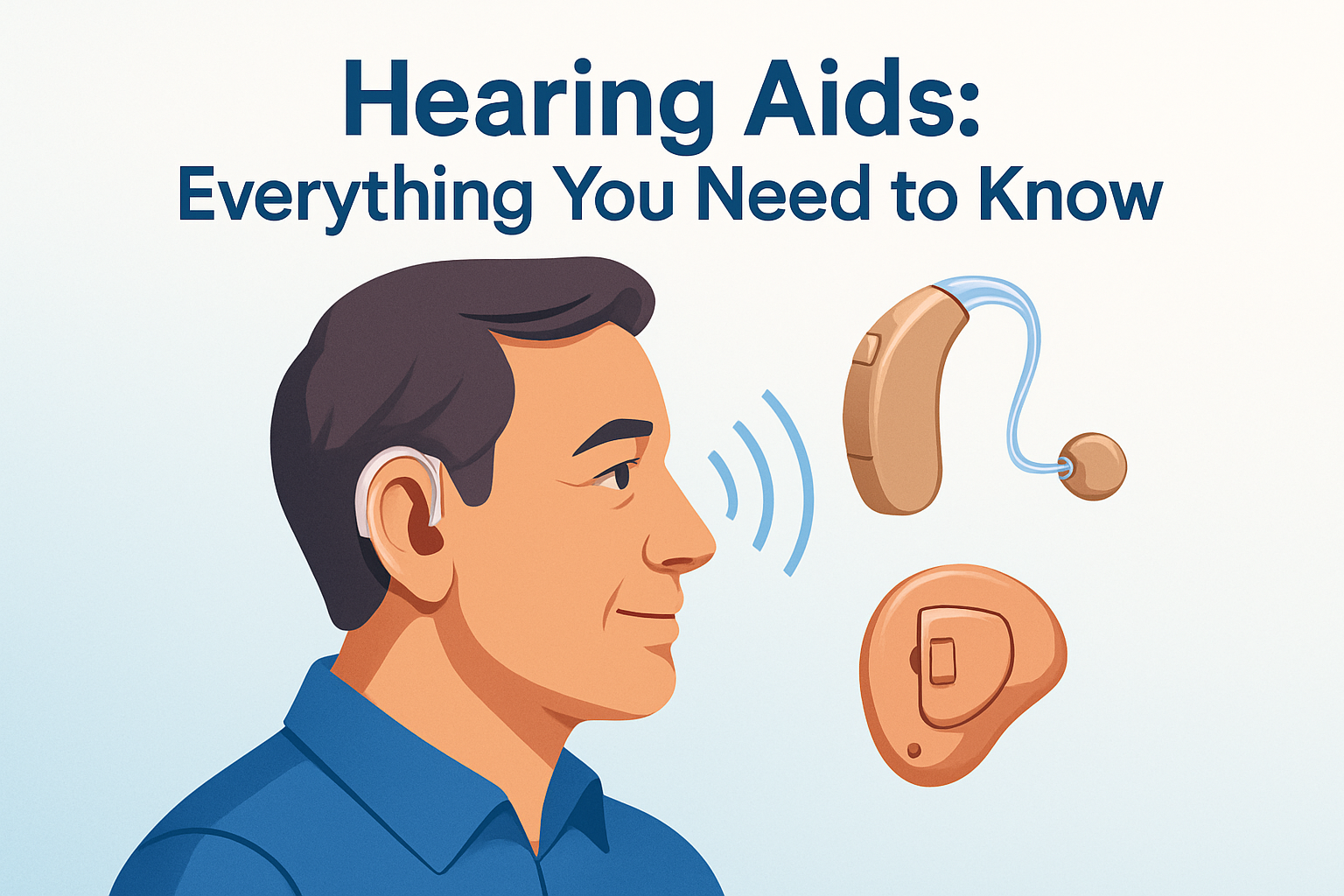
- Behind-the-Ear (BTE): These hearing aids rest behind the ear and are connected to a custom earpiece inside the ear canal. They are versatile, suited for severe to profound hearing loss, and available in open-fit models, which reduce feedback.
- In-the-Ear (ITE): Custom-fit to the outer ear, these aids are larger than in-the-canal options but are easier to handle and include features like volume control. They are suitable for mild to severe hearing loss.
- In-the-Canal (ITC) and Completely-in-the-Canal (CIC): ITC aids fit partly in the ear canal, while CIC aids are almost hidden within the canal. These options are cosmetically appealing, best for mild to moderate hearing loss, and offer a high degree of discretion.
For instance, consider Jane, someone who works in a demanding office environment. Her BTE hearing aid, with its advanced features and durability, allows her to engage in phone calls and meetings effectively, improving her overall work performance.
Technological Advancements in Hearing Aids
Recent technological developments have significantly enhanced the capabilities of hearing aids, making them more adaptable to individual needs. Modern hearing aids come equipped with features like Bluetooth connectivity, allowing users to connect their devices to smartphones, televisions, and other electronic devices. This is particularly useful in social settings and enhances the user experience. Digital hearing aids, replacing the older analog versions, offer improved sound processing and customization options. These advancements promote better sound clarity and noise reduction, thereby making communication clearer.
Real-world Application: Sarah’s Story
To illustrate, consider Sarah, a retiree who loves attending family gatherings and traveling. Her latest model digital hearing aid features a noise reduction technology that automatically adjusts in noisy environments, making it easier for her to focus on conversations at family dinners. The Bluetooth feature connects with her phone, giving her the convenience to answer calls directly through her hearing aid as she walks around her home. This enhances her connectivity, confidence, and independence, allowing her to engage more fully with family and travel experiences.
Cost and Accessibility of Hearing Aids
One of the concerns regarding hearing aids is their cost. Prices can vary significantly based on the model, features, and brand. Comprehensive hearing aid systems with advanced features can be costly, but it’s important to consider it as an investment in quality of life. Insurance coverage for hearing aids varies, with some policies offering partial or full coverage, while others may not cover hearing aids at all. Individuals should explore different financing options and consult with audiologists to find affordable solutions tailored to their needs.
Furthermore, programs and initiatives are in place to make hearing aids accessible to more people. There are organizations dedicated to providing financial assistance or offering lower-cost options, particularly for children and the elderly. These efforts aim to ensure everyone has access to the hearing aid tools they need, contributing to improved quality of life across various demographics.
Choosing the Right Hearing Aid
Selecting the right hearing aid involves several considerations. It’s not only about the severity of hearing loss but also lifestyle requirements and personal preferences. Users must consider factors such as design, comfort, ease of use, and additional features like wireless connectivity. A professional hearing assessment with an audiologist is crucial as they can provide personalized recommendations based on the individual’s hearing profile. Further, trial periods offered by many providers allow users to test different devices to find the best fit.
By considering all these factors, individuals can make informed choices. For example, Tom, an active sports enthusiast, opted for a robust, moisture-resistant hearing aid that complements his active lifestyle, ensuring durability during his regular basketball games.
Hearing Aid Maintenance and Care
Proper maintenance and care of hearing aids are critical to their longevity and performance. Regular cleaning, battery replacement, and professional check-ups help keep the device in optimal condition. Users should follow manufacturer instructions for maintenance and utilize specialized cleaning kits. Protecting hearing aids from moisture and extreme temperatures can prevent damage. Scheduled visits to an audiologist for periodic adjustments and repairs are also advisable to ensure ongoing optimal performance.
Emily’s Maintenance Experience
Emily, a hearing aid user for over five years, shares her experience on maintaining her device. By adhering to a routine cleaning schedule and regular check-ups, she has found her hearing aids remain effective and reliable, allowing her to continue her work as a teacher without interruption. This commitment to maintenance highlights the importance of proper care in maximizing the benefits of hearing aid technology.
The Future of Hearing Aids
The field of hearing aids continues to evolve rapidly with advances in technology. Innovative features like rechargeable batteries, health monitoring applications, and AI-driven sound adjustment capabilities indicate a promising future. These advancements not only increase convenience but also improve the quality of life for users. The integration of real-time translation and speech recognition technology is also on the horizon, offering even more comprehensive communication tools for users with hearing impairments.
Summing Up the Benefits
With all these insights into hearing aids—from what they are, their technological advancements, real-world applications, cost considerations, and future potential—it’s clear how these devices are critical for those with hearing impairments. They empower individuals, improve communication and social interactions, boost confidence, and bring independence. For anyone experiencing hearing challenges, hearing aids can be a transformative tool.
If you’ve noticed hearing difficulties for yourself or a loved one, consider reaching out to an audiologist. An assessment could be the first step towards enhancing your quality of life with a customized hearing solution. Don’t let hearing loss hinder your engagement with the world when viable solutions are readily available. Now is the time to step forward towards a world of better hearing.
Frequently Asked Questions
1. What are hearing aids, and how do they work?
Hearing aids are sophisticated electronic devices designed to improve hearing by amplifying sound for individuals with hearing impairments. They are equipped with a microphone to capture sound, an amplifier to increase its strength, and a speaker to deliver the amplified sound into the ear. Many hearing aids also have digital processing capabilities that allow them to be fine-tuned to the individual’s specific hearing loss. Modern advancements have made hearing aids highly effective, with features like noise reduction, Bluetooth connectivity, and rechargeable batteries. They can be custom-fitted to sit in or behind the ear, ensuring comfort and an optimal listening experience. You’ll find options ranging from discrete in-the-ear pieces to powerful behind-the-ear models that cater to more severe hearing loss. Whether you’re struggling to hear a conversation in a crowded room or just want to enjoy music more fully, the right hearing aid can make a significant difference.
2. Who can benefit from using hearing aids?
Hearing aids can be life-changing for anyone experiencing hearing loss, whether it’s mild, moderate, severe, or profound. Individuals who find themselves frequently asking others to repeat what they’ve said, turning up the volume on televisions or radios excessively, or having difficulty understanding conversations in noisy environments are prime candidates for hearing aids. Additionally, those who feel isolated or frustrated by their inability to communicate effectively may find that hearing aids significantly enhance their social interactions and overall quality of life. It’s important to undergo a hearing assessment by an audiologist to determine the degree of hearing loss and receive advice on the most suitable type of hearing aid. The earlier you address hearing loss, the better you can mitigate its effects on your cognitive and social development.
3. What types of hearing aids are available, and how do I choose the right one?
Hearing aids come in various styles, each designed to cater to different levels of hearing loss, lifestyle preferences, and aesthetic considerations. The main categories include:
- Behind-the-Ear (BTE): These are worn behind the ear and are connected to an ear mold inside the ear canal. They are versatile, powerful, and suited for all levels of hearing loss.
- In-the-Ear (ITE): These fit completely inside the outer ear and are suitable for mild to severe hearing loss. They are less visible than BTE models and come in a variety of skin tones to blend with the ear.
- In-the-Canal (ITC) and Completely-in-the-Canal (CIC): These are smaller and fit partly or completely in the ear canal. They are best for mild to moderate hearing loss and are the least visible type.
- Receiver-in-Canal (RIC) and Receiver-in-the-Ear (RITE): Similar to BTE but with the speaker or receiver in the ear canal. They offer a comfortable fit and are usually recommended for mild to severe hearing loss.
Choosing the right hearing aid depends on various factors such as the severity of your hearing loss, your lifestyle needs, manual dexterity, and cosmetic preference. Consulting with an audiologist will provide insight into which model will fit your personal needs and budget while offering the most comfortable and effective hearing support.
4. What should I expect during the process of obtaining and using hearing aids?
The process of obtaining and using hearing aids typically starts with a comprehensive hearing evaluation conducted by an audiologist or hearing specialist. Based on the results, they will discuss your specific hearing needs and recommend suitable hearing aid options. Once you select your hearing aids, they will be custom-fitted to your ears, usually with the help of ear impressions, to ensure comfort and effectiveness.
Expect an adaptation period where you get accustomed to how improved hearing with hearing aids feels. Sounds might initially seem different or overwhelming, but this is normal. Most hearing aids can be adjusted to provide the best possible hearing experience as you acclimate to them. Follow-up appointments are essential to fine-tune the device and address any discomfort or issues. It’s crucial to practice patience as your brain learns to process the amplified sounds, leading to a significantly improved auditory experience over time.
5. What features should I look for in a hearing aid?
Modern hearing aids are packed with a variety of features designed to enhance the listening experience across different settings. When selecting a hearing aid, consider features such as:
- Directional Microphones: These help you focus on sounds coming from a specific direction, making it easier to converse in noisy environments.
- Noise Reduction: This reduces background noise and enhances speech signals, enabling clearer conversation understanding.
- Wireless Connectivity: Many hearing aids offer Bluetooth compatibility, allowing you to stream audio from televisions, phones, and other devices directly to your hearing aids.
- Tinnitus Maskers: Some hearing aids include programs or sounds designed to provide relief from the condition known as tinnitus.
- Rechargeable Batteries: Rechargeable hearing aids save the hassle of changing batteries regularly and are environmentally friendly.
- Adaptability and Customization: A hearing aid with adjustable settings allows you to customize your hearing experience based on different environments.
The right set of features will vastly improve your auditory experiences, fostering better communication and preserving your engagement with your surroundings. Working closely with your hearing specialist will ensure that your chosen hearing aid meets your specific needs and lifestyle requirements.