
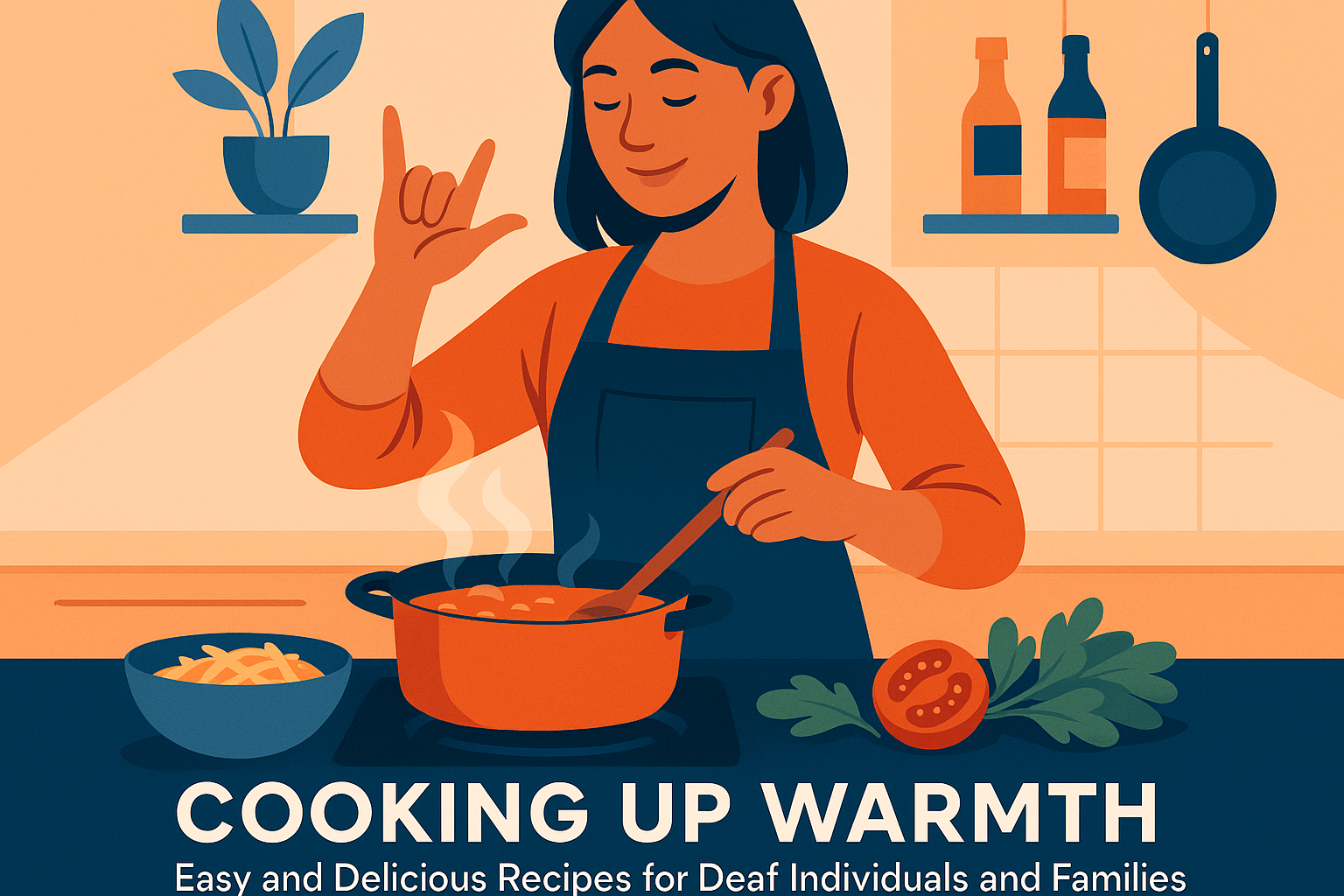
Cooking is an essential life skill that brings people together and provides nourishment. For deaf individuals and families, the kitchen can be a place of inclusivity and joy. However, it can also present unique challenges, primarily due to communication barriers. This guide is designed to highlight easy and delicious recipes tailored for the deaf community, ensuring clear and accessible instructions. With small adaptations, cooking can be a creative, fulfilling, and shared experience regardless of hearing ability.
The significance of this guide lies in promoting independence and confidence in the kitchen. By focusing on straightforward techniques and recipes, we aim to provide deaf individuals and their families with the tools they need to enjoy cooking together. This emphasis not only helps in building practical skills but also strengthens familial bonds. Whether you’re new to cooking or a seasoned home chef looking for inclusive strategies, these recipes and tips are here to transform your culinary experiences into memorable moments of warmth.
Accessible Recipes: Adapting to Diverse Needs
Cooking should be an enjoyable activity, not a daunting task. For deaf individuals, following traditional recipe instructions that rely on verbal cues can be difficult. Instead, visual cues, simple language, and clear step-by-step guides can ease the process. Consider the example of making a classic spaghetti bolognese. With a focus on visual instructions such as images or videos showing each step, this dish becomes accessible to everyone. Adding visual timers and highlighting measurements can further simplify the preparation, enabling smooth execution without auditory dependencies.
A frequent challenge for deaf cooks is keeping track of cooking times without the use of auditory timers or alarms. Visual kitchen timers and smart devices come in handy, where they flash or vibrate to indicate time checks. This way, every step in the cooking process, from sautéing onions to simmering sauce, is efficiently managed within the visual realm. Additionally, keeping ingredient lists and their quantities upfront allows for better preparation and understanding before diving into the hands-on process.
Creating Visual Cues and Signals
Creating a visually friendly kitchen environment can further ease the cooking experience for deaf individuals. Minimizing the use of complex jargon and ensuring instructions are written in plain language can be highly beneficial. Visual cues, like using color-coded utensils and bowls, help in distinguishing different stages of preparation and ingredients.
A practical example involves baking bread. Imagine a visual guide that integrates images showing when the dough is ready for each stage, paired with text descriptions for clarity. This approach assists everyone, regardless of their hearing ability, to achieve perfect results. Having such visual checklists displayed in the kitchen ensures that each step is completed accurately, preventing errors and promoting confidence.
Exploring Deaf-Friendly Cooking Tools
There is an array of kitchen tools designed to be particularly advantageous for deaf individuals. For instance, smart home appliances and deaf-accessible gadgets enable seamless cooking experiences. Consider the example of rice cookers or slow cookers with LED displays and tactile controls. These devices allow for easy adjustments and monitoring without relying on sound-based alerts.
Another illustration involves using induction cooktops equipped with visual controls that light up to indicate hot surfaces or temperature levels. Digital thermometers with readable displays allow cooks to verify cooking temperatures quickly and accurately. These tools ensure that delicious meals are prepared while enhancing safety and ease of use in the kitchen.
Community and Shared Cooking Experiences
Cooking is a communal experience that fosters interaction and bonding. For deaf families and communities, it can be transformative to hold group cooking sessions where sharing experiences and tips becomes a form of connection. Group cooking classes or events specifically tailored to the deaf community can nurture relationships and create shared memories.
Consider organizing a potluck-style dinner where everyone brings a dish prepared at home following visual recipes. To facilitate communication during such gatherings, organizers can provide charts or cue cards indicating the dish name and ingredients. This encourages a vibrant exchange of culinary traditions and personal stories, building a sense of community.
Recipe Ideas and Meal Plans
Sometimes, the hardest part of cooking can be deciding what to make. With accessible recipe ideas and meal plans, the decision-making process can be simplified. Here’s a table with examples of easy-to-follow recipes:
| Recipe | Difficulty Level | Preparation Time |
|---|---|---|
| Vegetable Stir-Fry | Easy | 20 Minutes |
| Grilled Cheese Sandwich | Very Easy | 10 Minutes |
| Chicken Curry | Medium | 45 Minutes |
| Chocolate Mug Cake | Easy | 5 Minutes |
These recipes are designed to be accessible with simple, visual guides. Having a balanced meal plan with varied choices ensures that there is something for everyone’s taste and skill level, making the cooking experience inviting and stress-free.
Learning and Growing: Building Confidence in the Kitchen
The journey of mastering cooking for deaf individuals is one of continuous growth and learning. Utilizing visual learning platforms, whether it’s pictorial recipes or instructional videos, offers a way to expand culinary skills effectively. Engaging with online communities geared towards deaf cooking enthusiasts can provide support, inspiration, and novel cooking ideas.
Creating a portfolio of personal favorite recipes, complete with visual guides and notes on adaptations and successes, can be a rewarding exercise. Over time, this builds a rich library of tried-and-true meals that not only cater to specific dietary needs but also embrace a variety of flavors and cuisines.
Conclusion: Embrace the Joy of Cooking
Cooking is a universal language of love and warmth that can be shared by deaf individuals and their families with accessible approaches. By prioritizing visual cues, adopting deaf-friendly tools, and actively engaging in communal cooking experiences, everyone can enjoy the joys of culinary exploration. Whether you’re experimenting with new recipes or savoring a family meal, the key takeaway is that cooking is for everyone. It fosters inclusion, independence, and a sense of accomplishment.
In closing, we encourage you to start trying these accessible recipes and involve your loved ones in the process. Cook with creativity, and don’t hesitate to reach out to the community for support or to exchange recipes. Cooking Up Warmth is not just about food—it’s about connection and the warmth of shared experiences.
Let’s embrace cooking as a celebration of inclusivity, ensuring that no one is left out from the joy it brings.
Frequently Asked Questions
1. How can communication barriers in the kitchen be overcome for deaf individuals and families?
Overcoming communication barriers in the kitchen requires a blend of strategic planning, using visual aids, and leveraging technology. Start by establishing clear visual signals for attention and assistance needs, like waving hands or tapping shoulders. Implement written instructions with step-by-step visual guides to detail each cooking process, from preparation to serving. Large bold print on sticky notes or a whiteboard can also serve as reminders for common recipes or kitchen tasks.
Moreover, digital tools like tablets or smartphones can be used to display and communicate recipes with videos that feature sign language interpreters. Apps that translate speech to text in real time can allow for immediate exchange and feedback while cooking. Incorporating these methods makes the kitchen a more inclusive environment where everyone can participate actively and effectively.
2. What are some easy and delicious recipes suitable for deaf individuals and families?
Opting for easy-to-make recipes that require minimal ingredients and steps can facilitate a more relaxed cooking experience. Some great options include:
- Pasta Primavera: This dish is packed with a rainbow of vegetables and tossed with pasta. The recipe allows for flexibility in vegetable selection, making it inclusive for everyone’s preferences.
- One-Pan Lemon Herb Chicken: Utilizing a single pan decreases the need for complex instructions, all while maximizing flavor. It’s fuss-free with herbs and lemon providing bold tastes.
- Chili Con Carne: A perfect recipe to make in large batches, loaded with beans, tomatoes, and flavorful spices. Instructions are straightforward, making it an ideal communal meal.
These recipes require minimal equipment and allow for adaptive communication strategies, ensuring each step is clear and accessible.
3. How can technology assist in making cooking accessible for deaf individuals?
Technology plays a crucial role in bridging communication gaps, especially in the kitchen. Devices with voice recognition, text-to-speech, or captioning can be incredibly beneficial. For instance:
- Video Tutorials with Subtitles: YouTube and cooking apps frequently provide captioned cooking tutorials, offering both visual guidance and written intervention.
- Vibrating Timers: These allow individuals to keep track of cooking times without needing an audible alert.
- Recipe Apps with Visual Instructions: Apps like Tasty or SideChef offer recipes with visual step-by-step guides accompanied by photos or short video clips demonstrating techniques and processes.
Besides, virtual assistants like Alexa or Google Assistant can help set timers, read aloud recipes, or make grocery lists, making kitchen activities smoother and more engaging.
4. Are there kitchen tools or modifications that can make cooking easier for deaf individuals?
Certain kitchen tools and modifications can create a more deaf-friendly environment, enhancing usability and safety. Consider implementing:
- Label Makers: Use these to label storage containers, jars, and spices. Clearly labeled ingredients eliminate guesswork and speed up meal preparation.
- Induction Cooktops: They provide safer cooking options with automatic shut-off features and are cooler to the touch, reducing the risk of burns.
- Visual Alert Systems: These can be installed within kitchen appliances like ovens and microwaves to provide visual cues when the timer goes off.
Additionally, using open shelving rather than closed cabinets can offer better visibility of kitchen tools and ingredients, making it easier to locate items quickly.
5. How can families encourage shared cooking experiences in a deaf-friendly kitchen?
Creating an inclusive and deaf-friendly kitchen environment encourages shared culinary experiences. Families could start by turning the cooking process into a collaborative event where roles are divided based on comfort level and skill. For example, one person can focus on prep work like chopping while another handles cooking or seasoning. Unified color-coded systems (e.g., using colored cutting boards for specific food groups) streamline roles and enhance efficiency.
Incorporate interactive and fun elements, such as cooking competitions with themes or “recipe of the week” challenges, where each family member adds a touch of their style or flavors. Facilitate open communication with the use of a central digital hub—like a shared tablet—that displays recipes, allowing everyone in the kitchen to participate actively. Importantly, regular feedback sessions can strengthen communication strategies and improve cooperative cooking efforts.
By fostering an environment that welcomes ideas and improvisations, families can enjoy cooking sessions that are as inclusive as they are deliciously rewarding.