
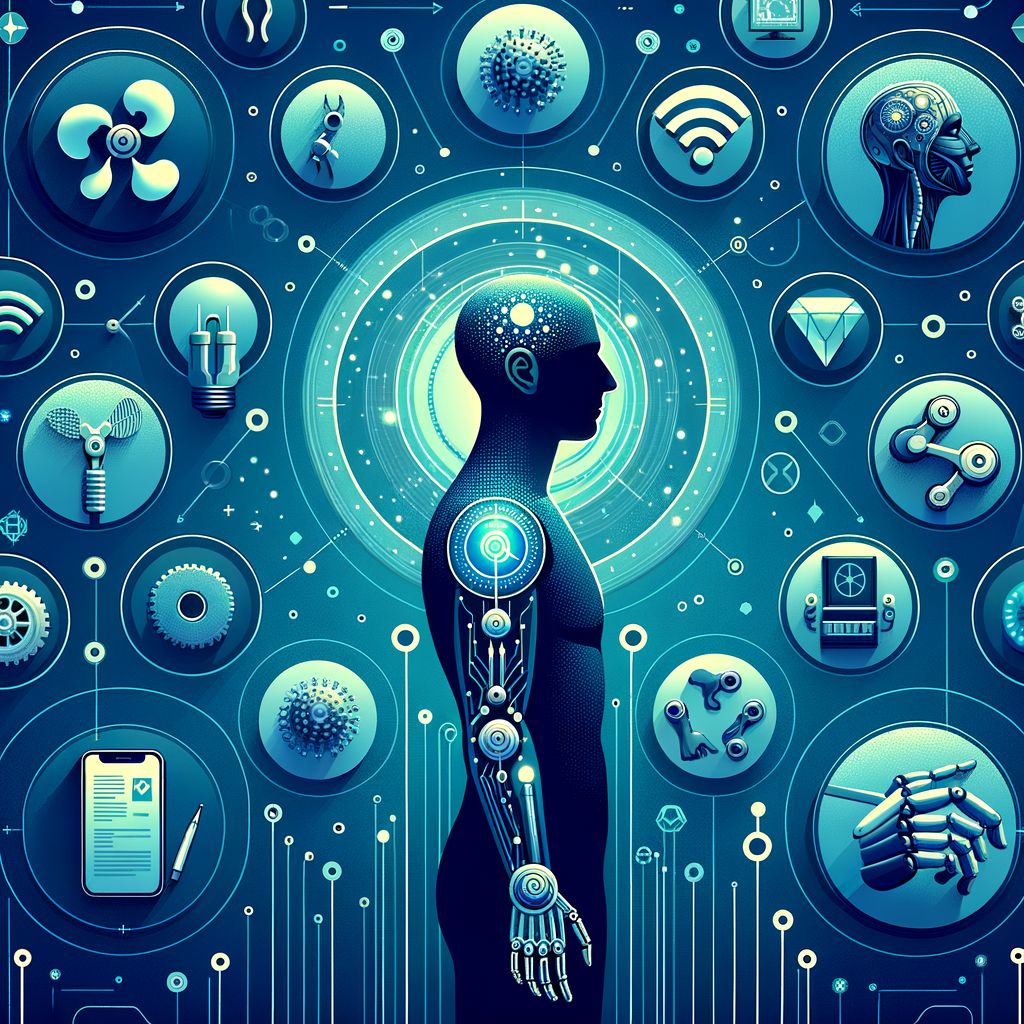
As the whispers of the future grow louder, we find ourselves on the brink of a technological revolution, thanks to quantum computing. The enigmatic and powerful nature of quantum computing stands poised to challenge the conventional boundaries of computing capability. Its implications spill over into diverse fields, one of which is assistive technology. Recognizing and fulfilling the potential of quantum computing could herald a new era of empowerment for individuals with disabilities, enhancing their independence and quality of life. But what exactly sets quantum computing apart, and how could it integrate with assistive technology to redefine how we perceive accessibility and assistance in our daily lives? This article delves into the ly real prospects of quantum computing’s impact on assistive technology, exploring each avenue from enhanced prosthetics to communication and cognitive aids, illustrating the transformative journey ahead.
A Quantum Leap: Understanding Quantum Computing
In the realm of technological advancements, quantum computing represents a monumental shift from classical computing systems. While classical computers use bits as the smallest unit of information, quantum computers use quantum bits or qubits. These qubits behave based on the principles of quantum mechanics, exhibiting properties of superposition and entanglement which allow them to exist in multiple states simultaneously. This unique property enables quantum computers to handle complex computations much more efficiently than classical systems. They offer immense computational power capable of solving problems considered currently unsolvable, opening new horizons for a plethora of applications, including assistive technology.
Unlike the binary world of traditional computing, where calculations are linear, quantum computing thrives on nonlinear problem-solving capabilities. With its potential to perform millions of calculations simultaneously, quantum computing could substantially accelerate data processing rates, drastically reducing response times. This is not only advantageous in scientific research but offers massive potential in developing technologically sophisticated assistive devices that can respond in real-time to the needs of users, thus impacting their ability to interact with the world around them effectively.
Revolutionizing Assistive Devices
Quantum computing holds the promise of revolutionizing assistive devices by enhancing capabilities, making them smarter, faster, and more adaptable. For instance, consider prosthetic limbs equipped with quantum-enhanced processing units. Currently, smart prosthetics utilize machine learning algorithms to interpret signals from the user’s body, achieving lifelike movements. Quantum computing could significantly boost these algorithms by providing more accurate and quicker interpretations of neural or muscular signals, further refining the responsiveness and adaptability of prosthetic devices. This would not only increase user satisfaction but could also reduce the time required for acclimatization.
Moreover, cognitive assistive devices that aid memory, speech, and other cognitive functions could see transformative improvements. Quantum computing’s data processing capabilities can handle vast amounts of sensory input, allowing communication devices for speech-impaired users to analyze patterns in real-time and offer more nuanced suggestions for phrases or changes in tone and inflection. This level of computational prowess means assistive technologies could not just interpret human intent but anticipate it with unprecedented speed and accuracy.
Enhancing Accessibility Through Better Data Processing
Data processing is pivotal in enhancing the effectiveness of assistive technology. Quantum computing can significantly boost the data processing capabilities of devices, which is crucial for wearable health monitors, visual aids, and mobility aids. Enhanced processing power can lead to improvements in image recognition software, benefiting devices used by visually impaired individuals. By outfitting visual aids with quantum-based processors, the device’s ability to process and interpret visual information in real-time becomes significantly enhanced. This increases the device’s ability to describe surroundings, identify objects or faces, and navigate through complex environments more effectively.
In addition, quantum computing can introduce radical advancements in the management and analysis of biomedical signals. This could lead to breakthroughs in health monitoring systems, enabling them to detect anomalies or predict medical events with greater accuracy. Such capabilities could drastically improve the responsiveness of medical alert systems, thereby offering more timely interventions and improving the overall healthcare management for individuals requiring close monitoring.
Breaking New Ground in Learning and Development Tools
Quantum computing could also play an integral role in educational technology, particularly for students with learning disabilities. Current learning aids often rely on adaptive learning algorithms to cater tailored educational experiences. Quantum-enhanced algorithms can analyze learning patterns and cognitive bottlenecks with precision, leading to a truly personalized learning experience. These systems can adapt content dynamically as a student progresses, ensuring no child is left behind, and all can achieve their learning potential.
Other areas of development could focus on neurofeedback devices that assist individuals with autism and ADHD. Quantum computing’s ability to analyze brainwave patterns quickly and effectively could facilitate the creation of tailored therapeutic interventions. Such interventions would be near-instantaneous in their feedback, allowing real-time adjustments to therapy sessions, leading to more efficient and impactful cognitive development.
Quantum’s Role in Communication Enhancement
Communication is a pivotal aspect of human interaction, and many assistive technologies aim to bridge gaps in this area. Whether it’s converting speech to text or helping speech-impaired individuals communicate, quantum computing can enhance these devices’ capabilities to understand and predict language use effectively. By leveraging superior processing power, quantum enhanced devices could analyze intricate speech patterns, dialects, and inflections, providing more accurate and responsive communication aids.
Additionally, quantum computing could enrich the functionality of translation devices. For users who face challenges in communication due to language barriers, quantum-driven devices could offer real-time translation services with high accuracy and cultural context consideration, promoting inclusivity and broader participation in social and professional settings.
Addressing Ethical and Security Considerations
As with any technological leap, quantum computing’s integration with assistive technology raises questions about ethics and security. The enhanced capabilities of quantum computers mean they can potentially decrypt classical encryption methods, posing privacy and security risks for assistive devices connected to broader networks. As these devices often handle sensitive data, from health information to personal communication, it becomes crucial to develop quantum-safe encryption methods that can guard user privacy effectively.
Ethically, ensuring that advances in quantum technology are accessible and inclusive is paramount. Developers must consider the equity of access and potential biases in data sets that could inadvertently affect certain user groups. Ensuring that quantum-enhanced assistive technologies are designed inclusively will be crucial to their successful implementation and fair accessibility across socioeconomic barriers.
Conclusion
The incorporation of quantum computing into assistive technology is far from science fiction; it stands on the precipice of dramatically redefining what’s possible. By unleashing unprecedented computational capacities, quantum computers can drive breakthroughs across a spectrum of assistive devices, enhancing their speed, adaptability, and intelligence. From transforming prosthetics and communication devices to forging new horizons in learning aids, the potential applications of quantum technologies offer a promising look ahead at how we can improve the lives of individuals with disabilities.
These developments promise to provide tools that do not merely assist but empower users, fostering independence and enhancing quality of life. Yet, as with any profound advancement, this journey necessitates careful consideration of ethical, security, and accessibility issues, ensuring that the benefits of these groundbreaking technologies can be equitably distributed and securely safeguarded. As we stand at this promising juncture, the integration of quantum computing in assistive technology beckons a future where no challenge is insurmountable, and every individual can fully engage with the world on their terms.
Frequently Asked Questions
1. What exactly is quantum computing, and how is it different from classical computing?
Quantum computing is an exciting field that fundamentally alters the way we process information. While classical computers use bits as the smallest unit of data, which can be either 0 or 1, quantum computers use quantum bits, or qubits. These qubits can exist in multiple states simultaneously thanks to the phenomenon called superposition. This allows quantum computers to process a vast amount of possibilities at once, rather than sequentially like classical computers. Moreover, quantum entanglement, another cornerstone of quantum theory, allows qubits that are entangled to be linked in such a way that the state of one directly affects the state of another, even over long distances. This unique capability can lead to exponential increases in computing power and efficiency, potentially transforming the fields it touches by tackling complex problems that are currently beyond the reach of classical computers.
2. How could quantum computing specifically enhance assistive technology?
The implications of quantum computing in assistive technology are profound. With its ability to process complex computations at speeds far beyond today’s technology, quantum computing can dramatically improve the performance of assistive devices. This includes everything from enhancing speech recognition software for individuals who are non-verbal, to optimizing algorithms that allow for sophisticated brain-computer interfaces, which could enable more intuitive and seamless control of devices for those with mobility impairments. Additionally, quantum computing could play a crucial role in developing new assistive technologies by facilitating faster and more efficient design and simulation processes. This could accelerate the research and implementation of advanced assistive devices, making them more readily available to the people who need them.
3. In what ways could quantum computing impact the accessibility and affordability of assistive technology?
Quantum computing has the potential to revolutionize the way assistive technology is produced and distributed. By streamlining complex computational processes, quantum computing could significantly reduce the time and cost associated with developing new technologies. This reduction in development costs could make it more economically feasible for companies to produce state-of-the-art assistive devices at scale, potentially lowering prices for end users. Furthermore, the enhanced computational power available through quantum processing might lead to breakthroughs in artificial intelligence and machine learning that could be directly applied to making assistive devices more adaptable, versatile, and individually personalized for diverse users, ultimately enhancing accessibility across the board.
4. Could quantum computing improve the design and functionality of prosthetic devices?
Absolutely. One of the most exciting promises of quantum computing in the field of assistive technology is its potential impact on prosthetics. Quantum computing offers the ability to analyze and process vast datasets with incredible speed and precision, which can significantly enhance our understanding of biomechanics and improve the design of prosthetic limbs. This can lead to more natural, human-like movements and better integration with the user’s neural and muscular systems. Quantum computing can aid in developing more responsive sensors for prosthetics, resulting in devices that can adapt in real-time to the user’s intentions and environment, providing a level of functionality and comfort that is currently difficult to achieve. Ultimately, these advancements could help individuals with prosthetics experience a much higher quality of life by enabling them to perform everyday tasks more naturally and effortlessly.
5. Are there current limitations or challenges with quantum computing in the context of assistive technology?
While quantum computing presents numerous opportunities, there are also significant challenges and limitations to its integration into assistive technology. Firstly, quantum computing is still in its early stages, and the technology is not yet widely accessible or commercially viable on a large scale. Many quantum systems are currently based in large, specialized facilities and require extremely controlled environments, which presents a barrier to widespread implementation. Additionally, developing algorithms and software that can harness the power of quantum computers is an ongoing area of research, which means that practical applications are still being explored. Moreover, any new technology raises questions about data security and privacy, particularly in sensitive fields like assistive tech. It will be crucial to address these concerns as quantum computing-related applications are developed to ensure they are both safe and ethical. Despite these challenges, the potential benefits make it an area worth investing in and developing for the future of assistive technology.