
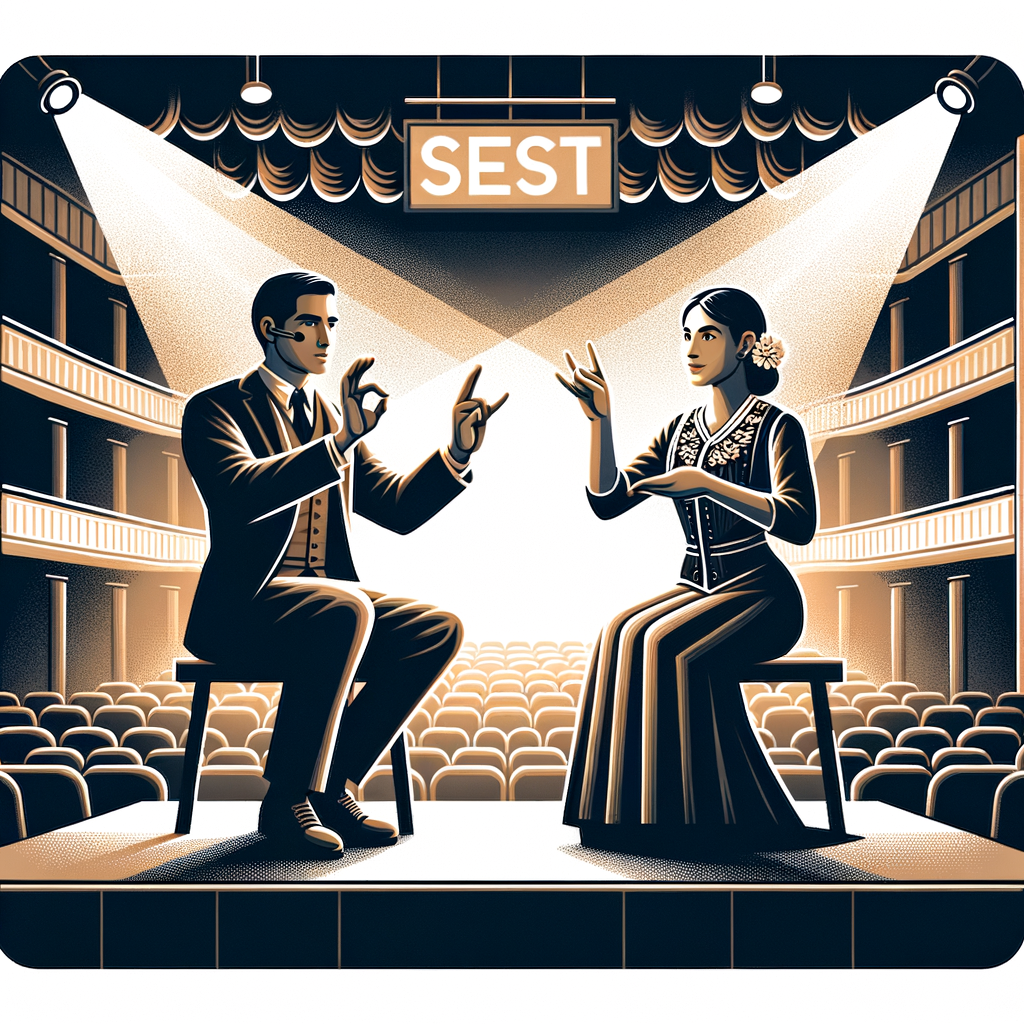
In recent years, Hollywood and the broader entertainment industry have made significant strides towards inclusivity and diversity. Yet, there remains a crucial dialogue about the importance of authentic casting, particularly when it involves actors with disabilities playing characters that share similar experiences. In this discussion, one area stands out: deaf actors portraying deaf roles. While the general concept of representation has been widely discussed, there is an additional layer of authenticity and richness added when characters are played by performers who genuinely understand the experiences of those they represent. This article explores why authentic casting matters, specifically addressing the significance of casting deaf actors in deaf roles. By examining cultural representation, the nuances of communication, and the broader impacts on the community, we delve into the necessity and implications of true-to-life casting.
Cultural Representation and Narratives
Cultural representation in media shapes societal perceptions and individual identities. For the deaf community, whose representation has historically been marginalized or misinterpreted, authentic casting can offer a corrective lens. Having deaf actors in deaf roles not only lends credibility to the story but honors a community often relegated to the background. It’s about authenticity, and truth in storytelling.
For years, deaf characters in movies and television shows were played by hearing actors, sometimes relying on stereotypes or flawed perceptions of the deaf experience. These portrayals, while possibly well-intentioned, typically lack the depth and insight that a deaf actor naturally brings. Authentic casting offers an opportunity to share genuine narratives, illuminating the diverse experiences within the deaf community. By having deaf actors tell their own stories—or stories like their own—a richer, more varied depiction emerges that challenges monolithic views.
Moreover, the presence of deaf actors in significant roles provides a model for young deaf individuals. It shows them that their stories are worth telling and that they, too, can pursue careers in the arts. It’s about visibility and validation, affirming the deaf community’s place within the cultural conversation. Authentic casting is a powerful tool for inclusion, granting minorities the stake they deserve in media narratives.
Understanding Nuanced Communication
The unique languages and modes of communication used by the deaf community—ranging from American Sign Language (ASL) to various forms of cued speech—are pivotal to authentic portrayals in media. Deaf actors naturally bring these communication forms to life with the precision and emotional depth that hearing actors may struggle to recreate. Such authenticity in communication invites deeper audience understanding and appreciation.
ASL, for instance, is not merely a translated form of English; it is a rich, expressive, and complete language with its own syntax and grammar. Deaf actors bring an intuitive understanding of these nuances and can convey subtleties that resonate deeply with both deaf and hearing audiences. When hearing actors attempt to portray these roles, they often lack the fluidity and naturalism that comes with native use, which can undermine the authenticity of the character and the story.
The authentic use of sign language in film and television also educates audiences, fostering a broader understanding of deaf culture. With a more genuine representation on screen, viewers are prompted to consider the communication barriers faced by the deaf community, potentially leading to increased empathy and social awareness. By casting deaf actors, productions leverage these unique narratives full of both challenges and triumphs, driving home the importance and beauty of diverse communication.
Impacts on the Broader Deaf Community
Beyond individual stories, the casting of deaf actors influences the larger community in profound ways. It promotes positive shifts within the industry and society regarding attitudes towards the disabled. Authentic portrayals have the powerful ability to dismantle stereotypes and preconceived notions, replacing them with understanding and acceptance.
Authentic casting reinforces the capability and talent within the deaf community, breaking down barriers previously upheld by systemic marginalization. It advocates for equal opportunities in an industry fraught with challenges for minority actors. When deaf actors play deaf roles, it not only underscores their professional capabilities but makes a broader statement against ableism. It stands firmly for the notion that people with disabilities are not only capable of representing themselves authentically but bring invaluable perspectives to storytelling.
Moreover, the impact of authentic casting extends into advocacy and political awareness. It has the potential to inspire discussions about accessibility and rights, highlighting areas that require societal and legislative attention. Through respectful and realistic portrayals, the industry can catalyze meaningful dialogue, pushing for real-world changes that benefit the community. Authentic casting brings with it opportunities for the deaf community to gain visibility, facilitating crucial conversations around their rights and representation in everyday life.
Artistic Integrity and Quality of Storytelling
Artistic integrity should be at the core of storytelling across all media. Authentic casting ensures that stories are not only told but told with accuracy and respect. Deaf actors playing deaf roles means embodying characters with lived experiences that enhance the story’s authenticity, making it both compelling and genuine.
The inclusion of deaf actors often results in stories that prioritize depth and richness, shedding light on nuanced aspects of deaf life, from personal interactions to community dynamics. This approach not only delivers legitimacy to the audience but also reflects the filmmaker’s commitment to delivering a product of superior quality. It’s a nod to the authenticity that respects the craft as much as it respects the community it represents.
Moreover, the chemistry and realism that deaf actors bring to their roles can elevate a production from merely telling a story to truly moving the audience. The genuine emotions and responses they display are not acted out fantasies but reflections of reality. This nuanced portrayal impacts how stories are perceived, remembered, and cherished, resonating with a truth that transcends the screen.
Conclusion
In closing, the importance of authentic casting cannot be overstated when it comes to depicting deaf characters in film and television. This goes beyond ticking a box for diversity; it’s about giving life to stories with honesty and integrity. Recognizing and utilizing the talents of deaf actors to play characters reflective of their own lived experiences is crucial to advancing the representation discourse.
Authentic casting is not merely an artistic choice but a profound statement supporting the value, rights, and presence of the deaf community in storytelling. It is a transformative approach that benefits both the art form and society at large. When we empower deaf actors with roles that celebrate their identities and truths, we take a significant step towards inclusivity that has the potential to inspire, educate, and prompt meaningful societal change.
The true power of storytelling lies in its ability to connect and enlighten across divides. By embracing authentic casting, particularly with deaf actors in deaf roles, we celebrate the diversity and richness of human experiences. In bridging gaps between communities, stories become more than entertainment; they become a catalyst for understanding, empathy, and unity.