
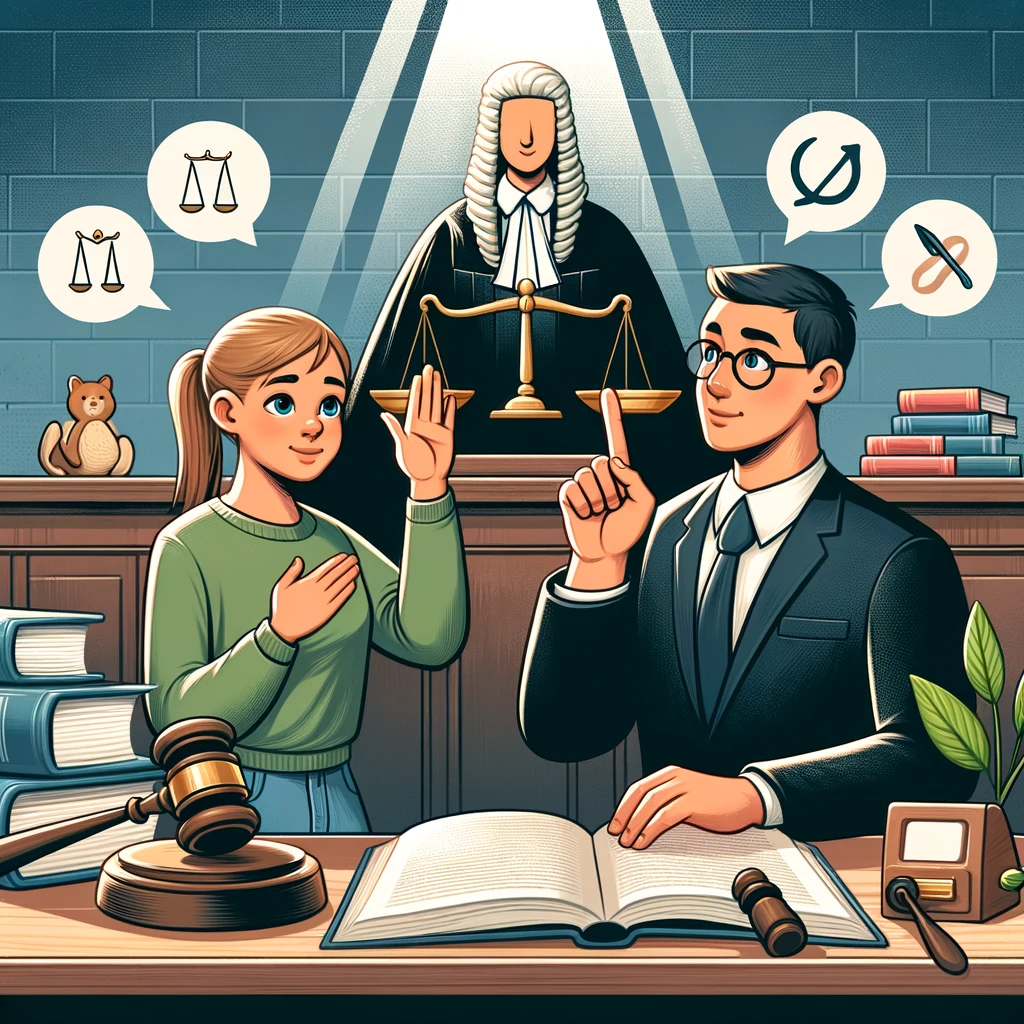
Deaf individuals face unique challenges in navigating legal systems and ensuring their rights are upheld without discrimination. The need for strong legal advocacy and comprehensive understanding of legal rights is critical for promoting equality and fair treatment. This article aims to discuss the legal rights of Deaf individuals, the significance of advocacy, available resources, and tools to support equal access to justice.
Introduction
Deaf individuals often encounter significant barriers in the legal system due to communication challenges and a lack of accessible resources. These barriers can lead to misunderstandings, misrepresentations, and ultimately, unjust treatment. Understanding and advocating for the legal rights of Deaf individuals is crucial for ensuring that they receive fair treatment and equal access to justice.
One of the critical components of legal advocacy for Deaf individuals is ensuring effective communication. This can be achieved through various means such as sign language interpreters, real-time captioning, and other assistive technologies. Additionally, knowing one’s rights under laws such as the Americans with Disabilities Act (ADA) is essential for both Deaf individuals and legal professionals who serve them.
Organizations and advocacy groups play a pivotal role in promoting awareness and providing resources for Deaf individuals. These groups often work tirelessly to ensure that legal professionals are trained in Deaf culture and communication methods, and to push for policy changes that enhance accessibility in the legal system.
Understanding the legal landscape, the tools available, and the role of advocacy groups empowers Deaf individuals and their allies to navigate the legal system more effectively. This article will explore these elements in detail, providing valuable insights and practical tips for ensuring equal access to justice for Deaf individuals.
Legal Rights of Deaf Individuals
Legal rights for Deaf individuals are enshrined in various national and international laws and policies. One of the most significant pieces of legislation in the United States is the Americans with Disabilities Act (ADA), which mandates equal access to public services, including legal proceedings.
Under the ADA, Deaf individuals have the right to qualified sign language interpreters in legal settings, including courtrooms, attorney-client meetings, and law enforcement interactions. This ensures that they can fully understand and participate in legal proceedings.
Internationally, the United Nations Convention on the Rights of Persons with Disabilities (CRPD) further solidifies the rights of Deaf individuals to access justice on an equal basis with others. Signatory countries are required to take appropriate measures to ensure that Deaf individuals can access legal information and participate in legal processes.
Despite these robust legal frameworks, challenges remain in ensuring that these rights are consistently upheld. Lack of awareness, inadequate training for legal professionals, and insufficient resources can hinder the effective implementation of these laws. Therefore, continuous advocacy and education are necessary to bridge these gaps and uphold the legal rights of Deaf individuals.
The Role of Advocacy
Advocacy is a powerful tool in promoting and protecting the legal rights of Deaf individuals. Advocacy efforts can take many forms, from individual representation to systemic change initiatives aimed at improving accessibility within the legal system.
Organizations such as the National Association of the Deaf (NAD) in the United States and similar entities worldwide work tirelessly to advocate for the rights and interests of Deaf individuals. These organizations provide resources, support, and representation to ensure that Deaf individuals can navigate the legal system effectively.
Advocates play a crucial role in raising awareness about the specific needs and rights of Deaf individuals among legal professionals. By providing training and educational resources, advocates can help legal professionals understand the importance of providing accessible legal services and how to do so effectively.
Moreover, advocacy groups often work to influence policy and legislative changes that enhance accessibility and protect the rights of Deaf individuals. This includes lobbying for the implementation of more comprehensive training for legal professionals on Deaf culture and communication, as well as pushing for increased funding for interpretation and other accessibility services.

Resources and Tools for Deaf Individuals in Legal Settings
A variety of resources and tools are available to support Deaf individuals in legal settings. These resources aim to enhance communication, ensure accurate representation, and promote equal access to justice.
One of the most critical resources is the provision of qualified sign language interpreters. Interpreters play a vital role in facilitating communication between Deaf individuals and legal professionals, ensuring that information is accurately conveyed and understood.
Real-time captioning services, also known as Communication Access Real-time Translation (CART), provide another valuable tool. CART services transcribe spoken words into written text in real-time, allowing Deaf individuals to read what is being said during legal proceedings.
Assistive technologies, such as video relay services (VRS) and video remote interpreting (VRI), further enhance accessibility. VRS allows Deaf individuals to communicate with legal professionals over the phone using a sign language interpreter, while VRI provides on-demand interpreting services through video conferencing.
Additionally, legal organizations and advocacy groups offer various resources to support Deaf individuals, including legal guides, educational materials, and access to legal representation. These resources are designed to empower Deaf individuals with the knowledge and tools they need to navigate the legal system effectively.
Educating Legal Professionals
Educating legal professionals about the needs and rights of Deaf individuals is essential for promoting equal access to justice. Legal practitioners, including attorneys, judges, and law enforcement officers, must be aware of the specific challenges faced by Deaf individuals and how to address them effectively.
Training programs and workshops can play a significant role in raising awareness and building skills among legal professionals. These programs can cover topics such as Deaf culture, effective communication methods, and the legal rights of Deaf individuals under the ADA and other relevant laws.
Continuing education for legal professionals is also vital. By staying informed about the latest developments in Deaf advocacy and accessibility, legal practitioners can provide better services to Deaf clients and ensure that their rights are upheld.
Furthermore, incorporating Deaf education into law school curricula can help future legal professionals develop a deeper understanding of the challenges faced by Deaf individuals. This early exposure to Deaf culture and communication methods can set the foundation for more inclusive and accessible legal practices.
Ultimately, educating legal professionals is a critical step in creating a more inclusive and equitable legal system that serves the needs of all individuals, regardless of their hearing abilities.
Promoting Policy and Legislative Changes
Policy and legislative changes are crucial for enhancing accessibility and protecting the rights of Deaf individuals. Advocates and organizations play a vital role in lobbying for these changes and ensuring that the legal system evolves to meet the needs of Deaf individuals.
One area of focus for policy change is the implementation of more comprehensive training requirements for legal professionals. Mandating training on Deaf culture, communication methods, and the legal rights of Deaf individuals can help ensure that legal practitioners are equipped to provide accessible services.
Another important policy area is the funding and provision of interpretation and other accessibility services. Adequate funding is essential for ensuring that qualified interpreters and other assistive technologies are available when needed. Policies that support increased funding and availability of these services can significantly improve access to justice for Deaf individuals.
Legislative changes can also address specific barriers faced by Deaf individuals in the legal system. For example, laws that require courts to provide real-time captioning or video remote interpreting services can help ensure that Deaf individuals can fully participate in legal proceedings.
Advocacy efforts must also focus on ensuring that existing laws, such as the ADA, are effectively enforced. This includes monitoring compliance and addressing any instances where Deaf individuals are denied their legal rights. By holding legal professionals and institutions accountable, advocates can help ensure that the legal system serves the needs of all individuals.
The Importance of Community Support
Community support plays a crucial role in advocating for and protecting the legal rights of Deaf individuals. The involvement of family members, friends, and allies can provide valuable support and amplify advocacy efforts.
Family members and friends can assist Deaf individuals in navigating the legal system by providing emotional support, helping with communication, and advocating on their behalf. Allies who are knowledgeable about the legal rights of Deaf individuals can also play a significant role in raising awareness and pushing for change.
Community organizations and groups focused on Deaf advocacy can provide additional support and resources. These organizations often offer legal advocacy services, educational materials, and other resources to help Deaf individuals navigate the legal system.
Building a strong community of support can also help create a more inclusive and understanding legal environment. By fostering relationships between Deaf individuals, their allies, and legal professionals, communities can work together to promote equality and accessibility in the legal system.
Ultimately, the combined efforts of individuals, advocacy groups, and the broader community are essential for ensuring that Deaf individuals can access justice and receive fair treatment. Together, these efforts can help create a legal system that respects and upholds the rights of all individuals, regardless of their hearing abilities.
Conclusion
Ensuring equal access to justice and fair treatment for Deaf individuals requires ongoing advocacy, education, and policy change. Understanding and upholding the legal rights of Deaf individuals is essential for promoting equality and ensuring that they can fully participate in legal processes.
Effective communication is a critical component of this effort. Providing qualified interpreters, real-time captioning, and assistive technologies can help bridge communication gaps and ensure that Deaf individuals can understand and engage with legal proceedings.
Advocacy organizations play a vital role in raising awareness, providing resources, and pushing for policy changes that enhance accessibility. Their efforts are crucial for ensuring that legal professionals are trained and equipped to serve Deaf individuals effectively.
Empowering Deaf individuals with knowledge and resources is also essential. By providing legal guides, educational materials, and access to legal representation, Deaf individuals can navigate the legal system more confidently and effectively.
Community support further enhances these efforts. The involvement of family, friends, and allies can provide valuable assistance and amplify advocacy initiatives. Together, these combined efforts can create a more inclusive and equitable legal system that upholds the rights of all individuals.
In conclusion, the legal rights and advocacy for Deaf individuals are integral to ensuring equal access to justice and fair treatment. By fostering awareness, promoting education, and advocating for policy changes, we can work towards a legal system that respects and upholds the rights of all individuals, regardless of their hearing abilities.