

The merging of Deaf culture with modern advocacy serves a dual purpose: it not only elevates awareness but also sheds light on numerous challenges faced by the Deaf community worldwide. Deaf culture, a unique socio-linguistic minority culture, is rich in sign languages, history, beliefs, traditions, and pride. While typically distinct from the hearing world, it holds similarities akin to ethnic cultures in its significance and importance. Through increased global accessibility measures and awareness campaigns, the world has begun to better understand and embrace these nuances, though there is still much work to be done.
Internationally, there’s a growing recognition of the importance of integrating Deaf individuals into the fabric of society, not by expecting them to conform to hearing norms, but by making the world more accessible to them. This involves legal frameworks, technological advancements, and community advocacy that respect and uphold the unique linguistic and cultural identity of the Deaf community. These efforts are crucial not only for the empowerment of Deaf individuals but also for the enrichment of societies as a whole.
The global advocacy for Deaf rights varies across continents. In areas where awareness and resources are abundant, notable progress has been made. However, in regions where stigma and inaccessibility persist, there is a pressing need for improvement. This article seeks to explore international perspectives on Deaf accessibility and awareness, highlighting how advocacy has been shaped by both local cultures and global movements.
Understanding Deaf Culture
Deaf culture is integral to the identity of Deaf individuals and is rooted in the use of sign language, which is central to their communication and community life. Each country has its own sign language, and these languages carry rich histories and are recognized as fully developed languages with their own grammar systems. For instance, American Sign Language (ASL), British Sign Language (BSL), and Japanese Sign Language (JSL) are all distinct languages with unique nuances.
In addition to language, Deaf culture embodies a variety of values and norms, including a shared identity and heritage, which are celebrated through events such as Deaf festivals and conventions. In these events, stories, art, and performances are often showcased, playing crucial roles in preserving and passing on cultural knowledge.
Deaf culture also emphasizes visual learning and communication. People in the Deaf community often possess heightened visual awareness, leading to a preference for seeing information, whether it be through sign language, written text, or visual media. With advancements in technology and the growing presence of sign language interpreters in various public and institutional settings, there is an increasing acceptance and appreciation for Deaf cultural norms.
Global Advocacy Efforts
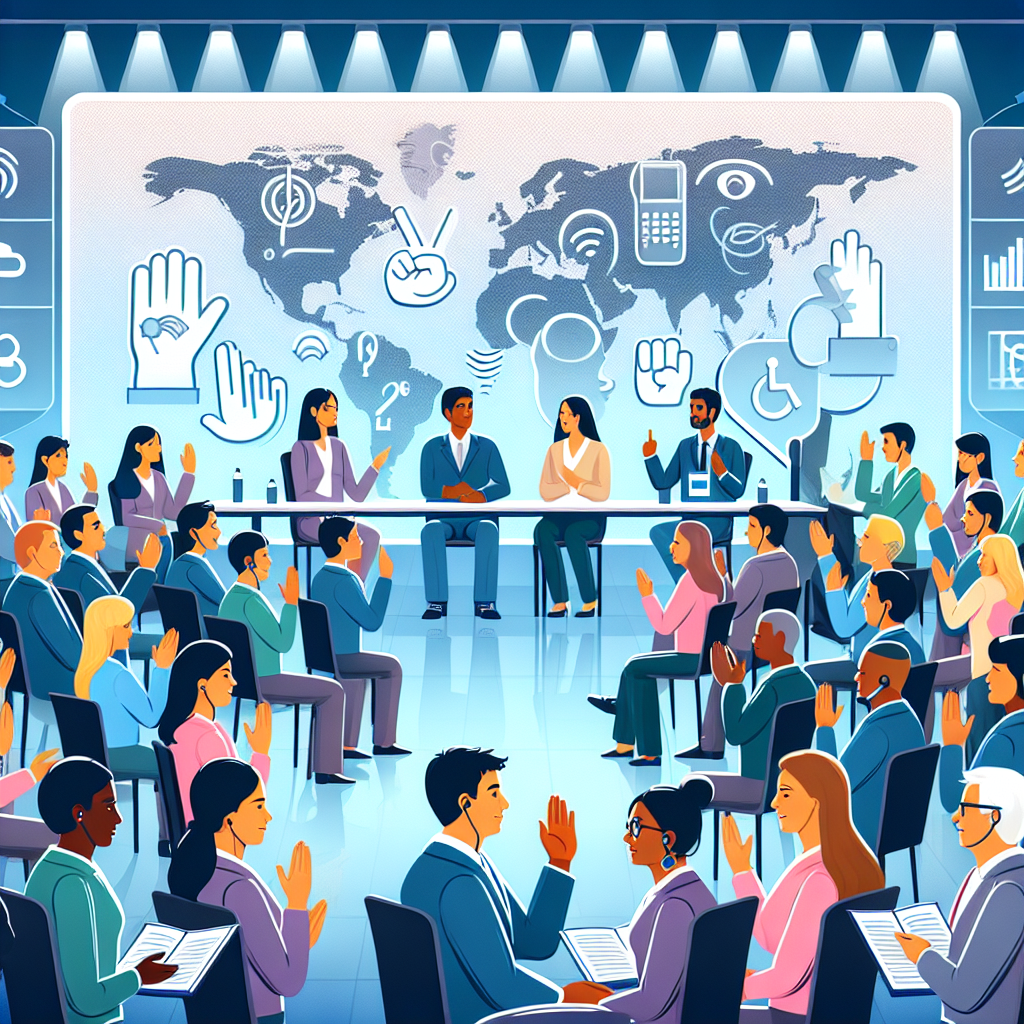
Modern advocacy for the Deaf community involves a concerted effort to improve accessibility and foster inclusivity on a global scale. Organizations like the World Federation of the Deaf (WFD) and the Global Deaf Connection work tirelessly to advocate for the rights of Deaf individuals worldwide. These organizations focus on implementing international policies, promoting equal access to education, and increasing employment opportunities for Deaf individuals.
One pivotal legislative framework is the United Nations Convention on the Rights of Persons with Disabilities (CRPD), which prioritizes accessibility and acknowledges the use of sign languages. Many countries have ratified the CRPD, adopting it into their national policies. These policies ensure that Deaf individuals receive the same rights and obligations as everyone else, advancing their opportunities within society.
Within specific regions, advocacy is often driven by local Deaf organizations that understand the unique challenges faced by their communities. These groups lead awareness campaigns, lobby for legal changes, and assist in developing accessible technologies. For example, in Sweden, organizations have worked to ensure that Swedish Sign Language is recognized as an official language within schools and public services.
Technological Advancements
Technology plays a pivotal role in increasing accessibility for the Deaf community. Assistive technologies such as video relay services (VRS), real-time captioning, and speech-to-text applications have revolutionized communication, making it easier for Deaf individuals to participate in daily activities. Moreover, social media and video platforms have become essential tools for Deaf individuals to connect and share their experiences with a wider audience.
Mobile applications are increasingly incorporating features designed to accommodate the Deaf community. For example, apps that provide sign language translation or alert systems for visual notifications of sounds like doorbells or alarms help bridge the communication gap. Additionally, video platforms like YouTube and Zoom offer automatic captioning services, enhancing accessibility for Deaf users globally.
The advent of virtual and augmented reality offers even more promising possibilities. Innovations in these fields aim to create immersive environments where non-verbal communication can occur naturally—a breakthrough that could significantly enhance Deaf people’s interactions and accessibility on a global scale.
Educational Access and Awareness
Education remains a crucial arena where advocacy for the Deaf community is continually evolving. Accessible education underlines one’s ability to participate fully in society, and for Deaf students, this depends significantly on the presence of qualified sign language interpreters and educators trained in Deaf education.
Countries like Finland and the United States have made notable strides in supporting Deaf students through bilingual education programs that emphasize both sign language and written languages. This approach fosters linguistic competence in both domains and encourages the development of Deaf students’ identities and capabilities.
Moreover, integrating courses about Deaf culture and sign languages into the mainstream education curriculum can enhance understanding and break down communication barriers. It allows hearing students to learn about the Deaf community, fostering empathy and broadening social networks. Ultimately, such inclusive practices enrich the educational landscape and prepare all students for a diverse world.
Challenges in Deaf Advocacy
Despite advancements, Deaf advocacy still faces significant hurdles. Many Deaf individuals encounter barriers in healthcare, legal systems, and media access due to a lack of qualified interpreters. Such difficulties can lead to misunderstandings and reduced quality of life.
In developing nations, these challenges are often exacerbated due to limited resources and prevailing social stigmas toward Deafness and disability. These issues prevent the advancement of necessary measures and policies that could enhance the quality of life for Deaf individuals. However, global advocacy movements and partnerships with international organizations are beginning to address these issues by providing aid and resources to underprivileged communities.
It’s crucial to continually address these disparities and push for legislative changes, economic investments, and societal shifts in perceptions of the Deaf community. Ongoing challenges highlight the necessity for continued awareness, research, and action to create a more inclusive and accessible world.
Conclusion
The convergence of Deaf culture with modern advocacy presents an opportunity not just to champion the rights of Deaf individuals but also to enrich our understanding of human diversity. Advocacy efforts globally have made strides toward promoting increased accessibility and awareness, leading to positive changes in educational frameworks, technological applications, and societal perceptions.
With continued collaboration between international and local Deaf organizations, governments, and the wider community, we can foster a world in which Deaf individuals are valued as integral, dynamic members of society. Still, the journey is ongoing, and recognizing the unique challenges and contributions of the Deaf culture is an essential step in championing inclusivity and accessibility. Although tremendous progress has been made, a great deal remains to be accomplished.
The ongoing dialogue between Deaf communities and modern advocacy initiatives underscores the importance of shared efforts toward a common goal: ensuring that Deaf individuals have equal access and opportunities to participate fully in their societies. Only through continued commitment to these endeavors will we achieve a world that celebrates diversity and inclusion for all.