
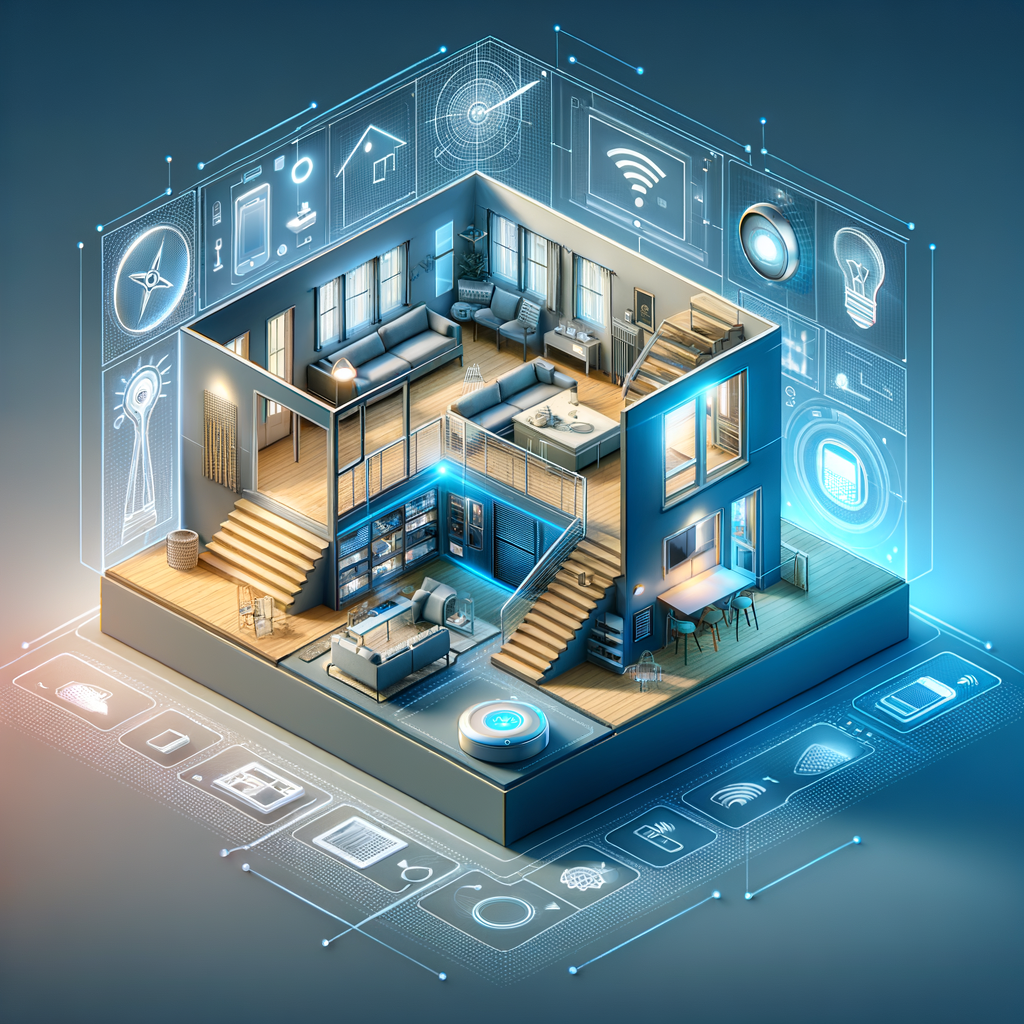
Creating a fully accessible smart home can significantly improve the quality of life for individuals with disabilities or those who require special accommodations. With the continuing evolution of technology, our homes are becoming more connected and intelligent, enabling easier navigation and control of home environments. Smart homes utilize devices and systems designed to automate and improve daily tasks, making them ideal for fostering independence, safety, and comfort. This guide aims to provide detailed insights into how to build a fully accessible smart home tailored to individual needs.
Understanding the essential components of a smart home is crucial. Such environments are not solely about high-tech gadgets; they are about leveraging technology to offer adaptive functionality that meets diverse accessibility requirements. From voice-activated controls to automated lighting and temperature adjustments, accessible smart homes offer endless opportunities. By the end of this article, readers will have a comprehensive understanding of the strategies, tools, and technologies needed to construct a smart home that is both inclusive and efficient.
Essential Components of a Smart Home
The foundation of any smart home begins with its core components. Key elements include smart hubs, devices, and interfaces that allow for seamless interaction among various systems. The heart of every smart home is a smart hub, serving as the central command for controlling devices. Popular smart hubs like Amazon Echo, Google Nest Hub, and Apple HomePod provide a centralized platform for managing smart home configurations, integrating multiple devices via voice commands.
Voice assistants like Amazon’s Alexa, Google Assistant, and Apple’s Siri plays a crucial role in making smart homes accessible. These systems understand and respond to voice commands, providing hands-free control. Inaccessible settings, being able to navigate and control various functions using voice commands creates an inclusive environment, minimizing physical effort.
Equally important are the devices and interfaces connected to these hubs. These include smart lighting systems, thermostats, security cameras, door locks, and appliances. Each offers functionalities that enhance accessibility. For instance, smart lighting can be adjusted according to preference or triggered by motion sensors, while smart thermostats enable precise climate control without the need to manually adjust settings. These automated solutions make daily routines less demanding and more manageable for individuals with mobility challenges.
Designing for Accessibility
During the smart home planning phase, it’s imperative to focus on design principles prioritizing accessibility. Consideration should be given to physical layouts, ensuring that spaces are navigable for individuals using wheelchairs or assistive devices. Doors should be wide enough, flooring smooth, and thresholds minimized to facilitate easy movement throughout the house.
Incorporating voice-activated devices and controls is an essential strategy. Ensure that the voice recognition systems are calibrated to understand the user’s specific accent and speech patterns to function effectively. Voice-activated systems must be user-friendly, offering easy-to-remember commands that control lighting, temperature, and security functions. For those with hearing impairments, integrating text display technologies or visual alerts provides alternative methods for interaction and receiving notifications.
Furthermore, accessible smart homes require strategic device placement. Devices such as smart speakers or command interfaces should be within reachable height and accessible without standing or stretching, facilitating convenience for all users. Also, installing multi-sensory alarms using visual and sound cues can alert individuals to activities such as door opening or unusual movements, ensuring enhanced safety awareness.
Lighting and Climate Control
Smart lighting systems significantly contribute to making a home accessible. These systems can be controlled using voice commands, remote controls, or mobile apps. Smart bulbs can change brightness, color temperature, and switch on or off at scheduled times, meeting user preferences and needs. Motion sensors can activate lights automatically in response to movement, eliminating the need for individuals to manually adjust settings.
Climate control is another critical component. Smart thermostats like the Nest Learning Thermostat learn user habits and adjust temperatures accordingly. Such systems allow users to maintain comfortable living conditions without manual intervention. Smart thermostats can also incorporate zonal heating, offering tailored climate settings for different house areas based on occupancy and usage patterns. These functionalities enable individuals with mobility issues or cognitive impairments to maintain optimal indoor conditions effortlessly.
Security and Safety Features
Home security can also be enhanced through smart technology, providing peace of mind and convenience. Smart locks, for example, facilitate keyless entry, using pin codes, biometric data, or mobile apps to access the property. These ensure security while eliminating the need for physical keys which can be lost or difficult to use.
Installing smart security cameras enhances safety by offering real-time surveillance and accessibility via smartphones or tablets. Many security cameras are equipped with motion detection and night vision, providing reliable monitoring 24/7. Notifications can be sent instantly to alert homeowners of suspicious activity, allowing swift action.
Medical alert systems integrated with smart hubs can automatically notify emergency contacts or services in case of accidents. Many solutions offer wearable technology that can trigger alerts if unusual activity or falls are detected. Lastly, integrating smoke detectors, carbon monoxide alarms, and water leak sensors with smart hubs provides additional layers of safety, ensuring any hazards are immediately flagged and addressed.
Leveraging Assistive Technology
Advanced assistive technologies can be employed to customize smart home features further, aligning them with users’ specific needs. Personal assistants integrated with artificial intelligence can provide reminders, help schedule activities, and assist with medication management. These technologies play a vital role in aiding individuals with cognitive impairments or memory challenges, ensuring daily tasks are organized and fulfilled.
Solutions such as augmented and virtual reality can offer significant accessibility benefits. Applications can simulate environments, training users on how to navigate new spaces or control smart home systems confidently. In mobility challenges, wearable technology assists with orientation and navigation both indoors and outdoors.
Additionally, smart kitchen appliances can be programmed to simplify meal prep processes, using voice commands or remote controls to operate ovens, microwaves, and refrigerators. Visual impairments can be accommodated by using voice reminders and audio instructions to guide users through cooking processes or equipment maintenance.
Customizing with User-friendly Interfaces
To ensure a fully accessible smart home, user-friendly interfaces must be prioritized. Mobile apps controlling smart devices should be designed with intuitive layouts, easy navigation, and accessible features. Large text options, screen reading capabilities, and voice commands enhance user interaction, critical for those with visual or dexterity impairments.
Moreover, personalization features, allowing users to set preferences and create customized command shortcuts maximize efficiency in managing smart home devices. For example, routines can be established to automate frequent activities, such as setting a ‘morning routine’ that adjusts lighting, starts the coffee maker, and reads out the day’s schedule upon waking. Customization ensures that the smart home environment operates seamlessly according to individual requirements.
Conclusion
Building a fully accessible smart home is an ongoing process requiring thoughtful planning and adaptation to meet the unique needs of its occupants. By focusing on core components such as smart hubs, voice assistants, and integrated devices, homeowners can create technological ecosystems that are both user-friendly and responsive. Designing with accessibility in mind, considering layout considerations and device placement, ensures an inclusive living environment.
Smart technology’s evolution continually pushes the boundaries of what accessible homes can achieve, enhancing safety, efficiency, and autonomy. As artificial intelligence and machine learning advance, smart homes are expected to provide even more personalized solutions, adapting more intelligently to users’ needs. Investing in a smart home is more than just embracing technology—it’s about empowering individuals to enjoy a higher quality of life by creating spaces that adapt seamlessly to their unique living conditions.
Ultimately, the key to a successful, accessible smart home lies in its integration of diverse technologies and design principles, ensuring that every resident can enjoy their living space to the fullest extent. As progress in smart home technology continues, the goal of creating fully accessible environments is not only achievable but also a step toward a more inclusive future.
Frequently Asked Questions
1. What are some key features of a fully accessible smart home?
Creating a fully accessible smart home is an exciting venture that revolves around enhancing ease of use for individuals with disabilities or those requiring specific accommodations. The cornerstone features of an accessible smart home include voice-activated devices, smart lighting, automated blinds, and smart security systems. Voice-activated systems like Amazon Alexa, Google Home, or Apple HomeKit enable hands-free control over various tools, enhancing independence. Smart lighting can adjust based on personal preferences or time of day, providing comfort and safety. Automated blinds allow for optimal privacy and natural light management with minimal effort. Lastly, smart security systems offer peace of mind through features such as video doorbells and remote monitoring. By integrating these elements, an accessible smart home becomes a realm where tasks are not only simplified but also empowering.
2. How can smart home technology assist those with mobility challenges?
Smart home technology is a revelation for individuals with mobility challenges, offering them avenues to navigate and manage their living spaces more efficiently. Among its diverse benefits, automated door locks eliminate the need for physical keys, enabling those with limited mobility to lock or unlock doors via smartphone or through voice command. Additionally, robotic vacuum cleaners navigate and clean floors automatically, reducing the need for manual cleaning efforts. Voice-controlled smart appliances, like ovens or refrigerators, make kitchen tasks more manageable. Home automation systems can also blend these technologies, creating personalized routines that reflect an individual’s preferred daily schedule—from adjusting the thermostat to controlling entertainment systems with ease. Essentially, a smart home curated with these features is tailored to provide support, allowing individuals to live with greater independence and comfort.
3. What considerations should be taken when planning an accessible smart home for visually impaired individuals?
When planning an accessible smart home for individuals with visual impairments, it is critical to select technology that complement their specific needs. Voice control takes precedence, turning devices like lights, televisions, and other appliances on and off seamlessly. Incorporating devices with tactile features, such as smart thermostats with raised symbols, can also be quite advantageous. Technology equipped with auditory feedback ensures users can receive confirmations for actions they’ve taken, like whether lights have changed or doors locked. Devices should integrate well with each other; for instance, pairing a smart speaker with a smart TV allows for voice navigation and audio streaming, creating a cohesive experience. Additionally, augmented reality applications on smartphones can assist in identifying objects and providing descriptions. Each device selected should aim to enhance autonomy and ensure safety, contributing to a comprehensive smart home environment.
4. How do you ensure a smart home system stays secure?
Security is an essential aspect of maintaining a smart home, as it’s crucial to safeguard personal data and ensure that the automation systems are resistant to breaches. To bolster security, start by choosing reputable brands that frequently update their firmware and offer robust customer support. Securing your home network is paramount; change default passwords on devices and Wi-Fi routers to something strong and unique. Ensure that the encryption is active, typically WPA3 for Wi-Fi networks, to protect data from unauthorized access. Regularly update passwords and be cautious of phishing attempts or suspicious links. Another strategy is to invest in a dedicated Wi-Fi network solely for smart devices, reducing the risk of compromise to the main network. Finally, consider professional installation and monitoring services to ensure each component is optimally set up and maintained. These steps ensure that the smart home system remains a safe haven.
5. Can making a home smarter actually reduce monthly energy bills?
Yes, integrating smart technology can indeed contribute to lower monthly energy bills through various energy-saving features and efficient resource management. Smart thermostats are paramount in this capacity—they learn the home’s heating and cooling preferences and automatically adjust based on timing and occupancy, reducing unnecessary energy consumption. Smart lighting systems, when synchronized with sensors, ensure that lights are only on when needed and can adapt intensity based on natural light availability. Smart plugs and power strips allow for better energy management of devices, reducing phantom loads by powering down unused electronics. Water usage can be optimized through connected plumbing systems that provide insights into usage patterns. Furthermore, receiving real-time feedback and insights into energy consumption empowers homeowners to make informed decisions, further pushing towards minimizing wasteful usage. So yes, beyond the realm of convenience, smart home technology promotes a greener, more cost-efficient living environment.