
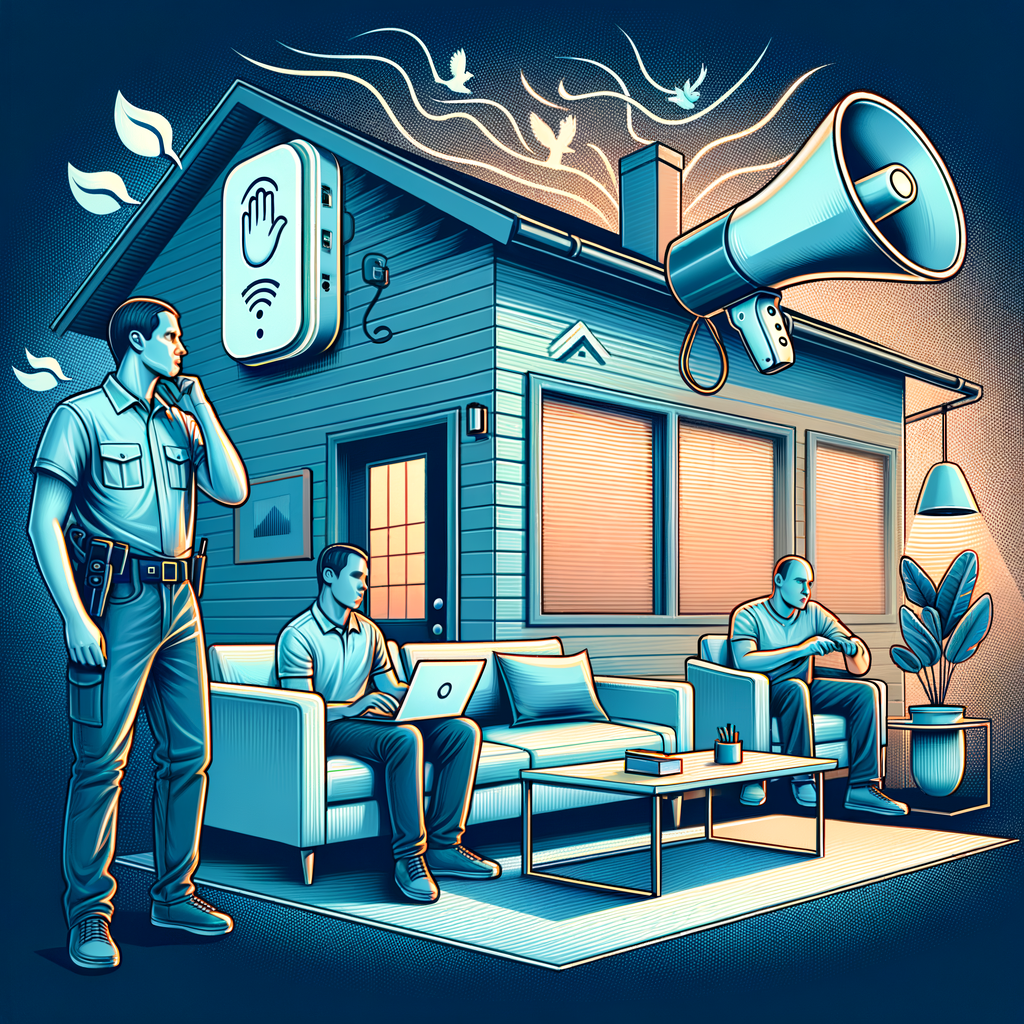
As we progress into a digital age brimming with smart home technology, the focus on inclusivity becomes increasingly crucial. One pivotal area where technological advances can make a monumental difference is in the realm of home security systems designed specifically for deaf individuals. Traditional home security systems rely heavily on auditory alerts, rendering them less effective—or sometimes even useless—for those who are hearing impaired. As the awareness surrounding the needs of the deaf and hard-of-hearing community grows, companies are beginning to develop and implement tailored solutions to make homes not just safer, but also more accessible to everyone. The essence of a true home security system is one that conveys real-time alerts and messages to individuals in a format they can perceive, ensuring their comfort and safety at all times.
This article explores the rising need for specialized home security systems catering specifically to the deaf and hard-of-hearing, examining the various elements that such systems comprise. From visual alerts to adaptive technologies, we will delve into the nitty-gritty of how these systems work, what features they offer, and how they integrate into the broader ecosystem of smart home devices. Furthermore, we will take a detailed look at the key considerations one must bear in mind when selecting a home security system designed specifically for a deaf user, along with insights into some of the leading products and solutions in this burgeoning market. Finally, we will explore the challenges and barriers still faced in this field, and consider the future landscape for home security systems to ensure not just accessibility, but proactive protection for deaf individuals. Understanding these facets will illuminate the path forward in crafting comprehensive solutions for deaf and hard-of-hearing individuals, emphasizing the importance of inclusivity in technology.
Understanding the Need for Tailored Security Systems
The foremost point to understand is that traditional security systems are predominantly auditory in nature. Exterior alarms, doorbells, intruder alerts—all these typically manifest through sound. For a deaf individual, this poses an enormous challenge. Without the ability to hear these alerts, they remain uninformed of potential dangers or crisis situations. This gap in accessibility highlights the importance of developing a home security system tailored specifically to the needs of the hearing-impaired community.
One primary requirement is the integration of visual signals. Visual alerts can range from bright, flashing lights to LED notifications that immediately capture attention. Additionally, these systems can be synced with vibration alerts using wearable technology or within the flooring of the home, providing a tactile component to the notification system.
Many modern smart devices can seamlessly integrate with these tailored solutions, thereby forming a comprehensive smart home ecosystem that caters distinctly to the needs of the deaf and hard of hearing. The functionality ranges from linking a vibrating alarm or flashing strobe lights with phone notifications to using autopilot settings for cameras that zoom in on activity and authenticate identities using artificial intelligence.
The Anatomy of a Tailored Security System
Creating an effective tailored security system involves several crucial elements, all of which are designed to compensate for the auditory limitations by leveraging visual or tactile alerts. The components and technologies often employed include:
Visual Indicators: Flashing lights are, perhaps, the most basic yet effective method of alerting a deaf individual. These can be engineered to work in conjunction with door sensors, CO2 detectors, and intruder alarms, among other devices. For example, whenever a door opens or a smoke alarm is triggered, bright, pulsing lights can inform the resident immediately.
Vibration Triggers: Using vibrations as an alert mechanism can be advantageous, especially when paired with wearable technology. Devices such as vibrating wristbands or bed shakers can be set to activate during emergencies, providing an immediate tactile response. This is particularly useful during night-time hours when visual alerts might not be as effective.
Smart Device Integration: Home automation plays an instrumental role in enhancing security systems for deaf individuals. Many smart home hubs allow various devices to connect and operate in harmony. For instance, smartphones can receive notifications that not only alert the resident but also offer real-time video feeds of the situation at hand.
AI and Connected Cameras: Advanced security cameras equipped with artificial intelligence can be programmed to recognize individuals and automatically trigger alerts when an unfamiliar presence is detected. This increases the safeguarding of the home by preemptively identifying and addressing potential safety concerns.
Such a system not only ensures all potential vulnerabilities are addressed but also offers reassurance to the users, knowing that their technology is fully compatible with their lifestyle and specifically oriented towards their unique needs.
Criteria for Selecting the Right System
When considering the implementation of a home security system tailored for someone who is deaf, there are several critical factors to ensure the system is both effective and conducive to the user’s lifestyle.
Customizability: The system should allow users to configure alerts and notifications to their specific preferences—for example, allowing them to choose which events trigger lights versus which activate vibrations. This customizability ensures that the user is always aware of what’s most important to them personally.
Ease of Use: A system that is user-friendly and straightforward to install is desirable. Complex configurations or cumbersome technology will not only be off-putting but may result in gaps in security. Each component’s operation should be intuitive, thereby reducing the possibility of error or missed connections.
Reliability and Battery Life: It is essential to have devices and systems with long-lasting battery life and a high degree of reliability, especially in situations where immediate communication during an emergency is critical. Systems should include backups or power-saving modes to compensate for any unforeseen outages.
Environmental Compatibility: Since lighting and vibrations are involved, users should ensure the equipment is suited to their particular living environment. Factors such as room brightness and ambient noise levels can impact the efficacy of various alerts.
Leading Solutions and Devices on the Market
The modern market has numerous devices specifically designed for the deaf and hard-of-hearing community. Some noteworthy examples include:
Smart Doorbells: Devices such as video doorbells with integrated video sources offer visual recognition and notification features. These can be tied to an individual’s smartphone or smartwatch to deliver instant alerts when someone is at the door.
Flashing Smoke Alarms: Optical smoke detectors with built-in strobe lights have been designed for maximum visibility, responding immediately and unmistakably to dangerous conditions.
Vibrating Alarm Clocks: Popular in bedrooms, these devices shake the bed or emit powerful vibrations upon detecting a security issue, ensuring the user awakens promptly in emergencies.
Overcoming Challenges and Future Outlook
Despite these advancements, some challenges still prevent the universal adoption of security systems tailored for the deaf. Cost is a significant hurdle. Cutting-edge technology can be expensive, and creating a complete system with all necessary components might lead to a hefty financial investment. However, as technology evolves and becomes more ubiquitous, prices are likely to decrease.
Another challenge is standardization and interoperability. With so many devices and competing technologies on the market, establishing a system that functions seamlessly with new updates and additional components can be frustrating. This necessitates the presence of adaptable platforms accommodating various software and hardware integrations.
Furthermore, awareness and education continue to play a key role in ensuring the adoption of these tailored systems by those who would benefit from them most significantly. Educating the community about available options and the importance of tailored home security systems can help dismantle existing barriers.
Conclusion
The advent of advanced technology and smart homes is driving a pivotal change in home security, one that is increasingly inclusive of individuals with disabilities. Tailored security systems for the deaf are not just technological enhancements—they are essential tools that can transform the lives of deaf and hard-of-hearing individuals by providing a level of safety and security previously unattainable. By focusing on integrating visual, tactile, and smart technology into these systems, we create environments where all homeowners and residents can feel protected.
While there are challenges in tailoring these systems, continued innovation and awareness will catalyze widespread adoption, ensuring that the deaf community has equal access to the benefits of modern home security. Moving forward, the importance of inclusivity in the development and design of home security solutions cannot be overstated. By embracing these challenges and focusing on creating comprehensive, customizable security solutions, we lay the foundation for a future where safety is genuinely universal.
Frequently Asked Questions
1. How do home security systems tailored for deaf individuals differ from traditional systems?
Home security systems designed for deaf individuals incorporate various sensory alerts that go beyond sound. Traditional security systems primarily use auditory signals – like alarms or voice notifications – to alert homeowners of potential issues. However, for those with hearing impairments, these systems may not effectively communicate a security breach or emergency. Tailored systems for the deaf often use visual signals, such as flashing lights or color-coded notifications that can signal different types of alerts, from break-ins to fire alarms. Additionally, these systems may also integrate with vibrational devices that can shake a bed or chair, providing a tactile alert that something is amiss.
These systems may also use advanced technology such as smartphone apps or smart home devices that send notifications or trigger other sensory alerts tailored to the needs of the hearing impaired. The goal is to ensure that every homeowner feels secure and is informed about the status of their home environment, regardless of hearing ability.
2. What devices or components are typically included in a security system for the deaf?
Systems designed for the deaf often include a combination of visual and tactile alert components. Key devices might include:
- Visual Strobe Alarms: These alarms use flashing lights to alert individuals of an intruder or emergency. They can be placed throughout the home and are a crucial component for immediate alerts.
- Vibrating Alerts: These may include vibrating bed shakers or pads that can alert one to an emergency while sleeping. In addition, wearable devices could be utilized that vibrate to convey alerts when the individual is awake but may not be in direct sight of a flashing light.
- Smartphone Integration: Many security systems use smartphone apps to send push notifications, which can provide detailed alerts about any unusual activity or security breaches. This includes visual cues on the phone screen alongside vibration, ensuring that messages are perceived even if the phone is in a pocket or bag.
- Integrated Smart Home Devices: Devices such as smart lights that change colors or patterns during alerts can also be used. For example, Philips Hue lights can be set to flash a specific color indicating a particular type of alert whenever the security system is triggered.
3. Are there specific brands or models recommended for deaf-friendly security systems?
Several brands have stepped into the inclusive tech space, creating security systems with features supportive of the deaf community. Notably, companies like ADT and SmartThings offer customizable components that can be tailored to fit the specific needs of hearing-impaired users. Both brands offer professional installations that can integrate multiple types of sensory alerts, ensuring comprehensive coverage. Additionally, SimpliSafe is lauded for its highly configurable systems, allowing users to select a combination of audible, visual, and vibrational alerts.
In-depth product research is recommended to ensure compatibility with the user’s specific needs and preferences. Consulting with security experts familiar with accessibility may offer further insight into the best options available, considering any pre-existing equipment one may already have.
4. How do these systems ensure that occupants are alerted in every part of the home, especially for larger properties?
Deaf-friendly home security systems employ a multi-layered alert approach to ensure that households, regardless of their size, can maintain safety and responsiveness. This includes strategically placing devices—such as visual strobe lights and vibrating alarms—in various rooms to cover every critical area of the home. By setting up a network of these alerts, individuals can be informed about emergencies or security breaching no matter which room they’re in.
Moreover, these systems can integrate with existing smart home devices that expand their reach. Devices like smartplugs and hubs can be utilized to trigger lights or additional alarms remotely. Advanced settings within these systems allow users to customize when and where certain alerts benefit household needs the most, personalizing the home security experience according to the spatial layout and homeowner habits.
5. What steps should homeowners take to install and maintain these systems effectively?
Installing and maintaining a home security system tailored for deaf individuals involves several important steps:
- Professional Consultation: Before purchasing, consulting with a professional who understands the specific requirements for deaf individuals can help determine the right mix of devices and their optimal placement.
- Comprehensive Installation: Consider hiring a professional installer to ensure all components work seamlessly together and are strategically placed for maximum effectiveness. This might include placing strobe lights in visible areas and ensuring vibrating devices are connected to critical alerts.
- Regular Testing and Maintenance: Regularly test all components to ensure they are functioning properly, similar to testing the smoke alarms in a traditional system. Systems should also be updated as necessary to ensure they feature the latest security protocols and compatibility with other home devices.
- User Training: Every member of the household should be familiar with how the system operates, understand the different alarms, and know how to respond to them appropriately.
- Stay Informed on Upgrades: Technology is always advancing. Staying informed on software updates or new products can ensure your system is as effective and efficient as possible, providing the best and most inclusive security setup.
In essence, to effectively implement these systems, it is a combination of strategic setup and ongoing engagement with the technology to remain secure and responsive to the latest accessibility developments.