
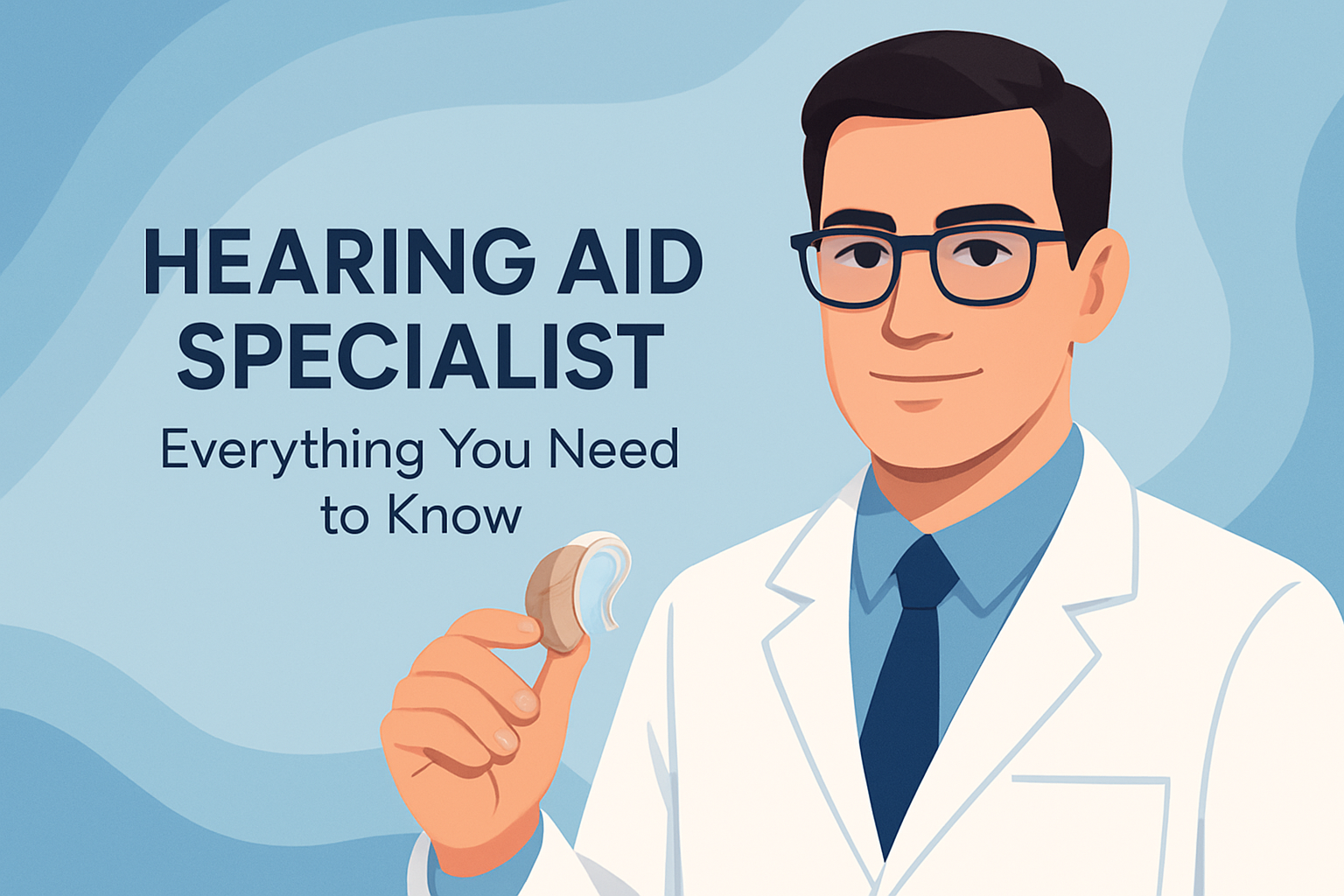
With advancements in technology and healthcare, the realm of hearing assistance has evolved, making it essential for individuals impacted by hearing loss to consider expert guidance. Enter the hearing aid specialist—a healthcare professional dedicated to providing solutions for those experiencing auditory deficiencies. But what does a hearing aid specialist actually do, why does this role matter, and how can it improve the quality of life? This article dives into every aspect of the profession, offering you a comprehensive guide to understanding the importance of these specialists, what they offer, and how they operate within the modern healthcare landscape.
The Role and Importance of a Hearing Aid Specialist
Hearing aid specialists play a crucial role in the diagnosis and management of hearing loss. Their primary function is to evaluate hearing deficiencies and recommend appropriate hearing assistance devices. This involves conducting audiometric tests to determine the degree and type of hearing loss, which allows them to tailor solutions to individual needs.
To illustrate, consider Jane, a retiree who began experiencing difficulty in understanding conversations, particularly in crowded environments. After visiting a hearing aid specialist, she underwent a series of tests that revealed moderate high-frequency hearing loss. With this precise diagnosis, the specialist recommended a behind-the-ear hearing aid with noise-cancellation features, which significantly improved her auditory experience.
This example underscores how hearing aid specialists not only enhance communication abilities but also bolster the overall quality of life for individuals like Jane. They empower their patients by restoring one of the most vital senses, making their role indispensable in audiological health.
Educational Path and Certification
Becoming a hearing aid specialist involves specialized training and certification. Most practitioners enter the field with a high school diploma, followed by specialized training programs. These programs focus on hearing mechanisms, audiometry, and hearing aid fitting.
In the United States, for instance, candidates must pass a series of examinations to obtain a state license. These exams test theoretical knowledge and practical skills, ensuring that specialists are equipped to provide accurate diagnoses and fit hearing aids appropriately.
Real-world scenarios highlight the importance of rigorous training. Take Sam, a hearing aid specialist who adhered to continual education post-certification. By keeping abreast of technological advancements and attending workshops, Sam is able to provide his clients with cutting-edge solutions and exemplary service, distinguishing himself in the field.
Technology and Innovations in Hearing Aids
The technology behind hearing aids has seen remarkable innovations over the years, with specialists being key facilitators in the adaptation of these advancements. Modern hearing aids are equipped with features such as Bluetooth connectivity, the ability to adapt to surrounding noise levels, and even compatibility with smartphones.
An example of such innovation can be seen with digital hearing aids. Alex, a hearing aid user, found profound improvement with the use of a device offering digital noise reduction. His specialist programmed the device to focus on frequencies associated with human speech, minimizing background noise distractions, which greatly enhanced his experience during social gatherings.
This section of expertise showcases how hearing aid specialists harness technological developments to cater to specific auditory needs, ensuring that clients like Alex receive customized solutions.
Daily Responsibilities of a Hearing Aid Specialist
A typical day for a hearing aid specialist is multifaceted, involving patient assessments, device fittings, adjustments, and client education. Successful specialists exemplify the ability to juggle these responsibilities while maintaining client satisfaction.
- Patient Assessment: Conducting hearing assessments using audiometers to quantify hearing loss.
- Device Fitting: Customizing and fitting hearing aids for comfort and efficacy.
- Adjustments: Tuning hearing aids to adapt to user feedback and change in hearing conditions.
- Client Education: Teaching clients about device care and maintenance.
Consider Lisa, a specialist renowned for her empathetic approach and sharp technical skills. Her success is attributed to thorough patient evaluations and providing clear information, empowering her clients by teaching them how to maximize the benefits of their hearing devices.
Challenges and Rewards of the Profession
Working as a hearing aid specialist comes with its challenges, such as staying updated with rapid technological changes and managing patient expectations. However, the rewards often outweigh the demands, especially when specialists witness the transformative impact on their clients’ lives.
An inspiring story is that of Mike, a specialist who was challenged daily until he met an elderly client struggling significantly with his hearing. After several adjustments and trials, Mike identified the perfect device setup. The moment the client heard his grandson clearly for the first time in years marked a moment of triumph and underscored the inherent reward in helping individuals reconnect with the world around them.
The Impact on Patient Lives
The influence hearing aid specialists have on patient lives is profound and far-reaching. For many, these specialists are catalysts for change, restoring not only hearing but also confidence and social engagement. Hearing loss can lead to feelings of loneliness and isolation, but with the right intervention, these feelings are often alleviated.
Consider the case of Rachel, a university student whose grades were slipping due to undiagnosed hearing issues. After visiting a hearing aid specialist, she was equipped with a device that improved her classroom interactions and contributed to her academic turnaround.
Hearing aid specialists are pivotal in ensuring patients like Rachel regain independence and function optimally in their environment, highlighting the substantial impact they have on life’s quality.
Summarizing the Role and Encouraging Action
In conclusion, hearing aid specialists provide indispensable services that significantly improve the lives of individuals experiencing hearing loss. From assessing hearing needs and employing the latest technological advancements to fitting devices and providing thorough education, these professionals revolutionize the hearing experience for their clients.
The key takeaways emphasize the importance of consulting a hearing aid specialist when faced with hearing challenges. Recognizing symptoms early, seeking expert evaluation, and embracing the benefits of modern hearing aids can pave the way to a fuller, more engaged life. If you or someone you know is experiencing hearing difficulties, the first step is to reach out to a certified hearing aid specialist who can guide you toward an effective solution.
With this information in hand, you’re encouraged to take proactive steps. Don’t wait—schedule an appointment with a hearing specialist today to assess and address any hearing concerns. Your auditory health is essential to enjoying all that life has to offer.
Frequently Asked Questions
1. What is a Hearing Aid Specialist and what do they do?
A Hearing Aid Specialist is a dedicated healthcare professional who primarily focuses on conducting hearing assessments, fitting, and programming hearing aids. Their role is to provide personalized solutions for individuals experiencing hearing loss—not just recommending devices, but also offering comprehensive education and support. This specialist is pivotal in hearing healthcare as they bridge the gap between diagnosis and effective management of hearing loss.
To break it down further, a hearing aid specialist performs audiometric tests to determine the level and type of hearing loss an individual is experiencing. Based on these results, they can suggest the most suitable hearing aid model and customize it to fit the patient’s lifestyle and hearing needs. They ensure comfort and optimal performance of the hearing aids through rigorous fitting procedures and adjustments. Beyond technology, they play a crucial role in patient education, guiding individuals on how to use, maintain, and benefit the most from their hearing devices.
2. Why is the role of a Hearing Aid Specialist important?
The importance of a Hearing Aid Specialist lies in their expertise in hearing care and the profound impact they have on individuals’ lives. Hearing loss can affect communication, social interaction, and even mental health. By providing tailored solutions, a hearing aid specialist can significantly enhance the quality of life for those affected, helping them reconnect with their surroundings, participate more fully in daily activities, and reduce the risk of cognitive decline associated with untreated hearing impairments.
Moreover, these specialists offer continuous support and management, ensuring that a patient’s hearing aids are functioning optimally at all times. As technology evolves, they stay updated to provide cutting-edge solutions that are both effective and user-friendly. Their role is crucial in demystifying hearing aid technology and making it accessible and beneficial to everyone in need.
3. How can a Hearing Aid Specialist improve someone’s quality of life?
A Hearing Aid Specialist can improve someone’s quality of life by providing auditory solutions that restore and enhance hearing ability. They do this by fitting hearing aids that not only cater to specific hearing impairments but also adapt to the patient’s unique lifestyle. For instance, certain hearing aids can be programmed for varied environments, such as crowded places or quiet settings, to provide the best auditory experience.
Furthermore, they offer counseling and coping strategies to deal with hearing loss, which can reduce the emotional and social isolation often associated with hearing impairments. With their guidance, patients can learn how to manage their condition effectively, leading to an increase in confidence, independence, and overall well-being. In essence, the specialist aids in restoring a vital sense that maintains quality interpersonal connections and supports mental health.
4. What qualifications are required to become a Hearing Aid Specialist?
To become a Hearing Aid Specialist, individuals typically need to complete a high school education followed by specialized training in hearing aid technology and audiometry. Most regions require specialists to become licensed, which usually involves passing a written and practical exam. Some choose to pursue an associate degree in hearing instrument science, which provides comprehensive knowledge and skills acquisition in the field.
In addition to formal education and licensing, practical experience through internships or apprenticeships is invaluable. As medical technology advances, continuing education and certification are also important to keep up with the latest advancements and practices in hearing care. Having excellent communication skills, empathy, and patience is also crucial, as specialists work closely with patients of all ages, many of whom may be experiencing significant lifestyle changes due to hearing loss.
5. How does one maintain their hearing aids for optimal performance?
Maintaining hearing aids for optimal performance involves regular care and attention to ensure they work effectively and last longer. The specialist will provide detailed instructions on daily maintenance routines, such as cleaning the devices to remove earwax and moisture, which are common issues that can impair functionality. Simple cleaning tools are often used, like brushes and air blowers, and the specialist will guide how to use these properly.
Patients are also advised to store their hearing aids in a dry, safe place, away from heat and moisture, and to check batteries regularly. Charging or replacing batteries according to schedule is vital to avoid interruptions in device functionality. Regular follow-ups with a hearing aid specialist for adjustments, performance assessments, and software updates are recommended to ensure the hearing aids are providing the best possible hearing experience. Maintenance is not just about preservation, but optimizing the device to continue delivering the most effective support in hearing enhancement.