
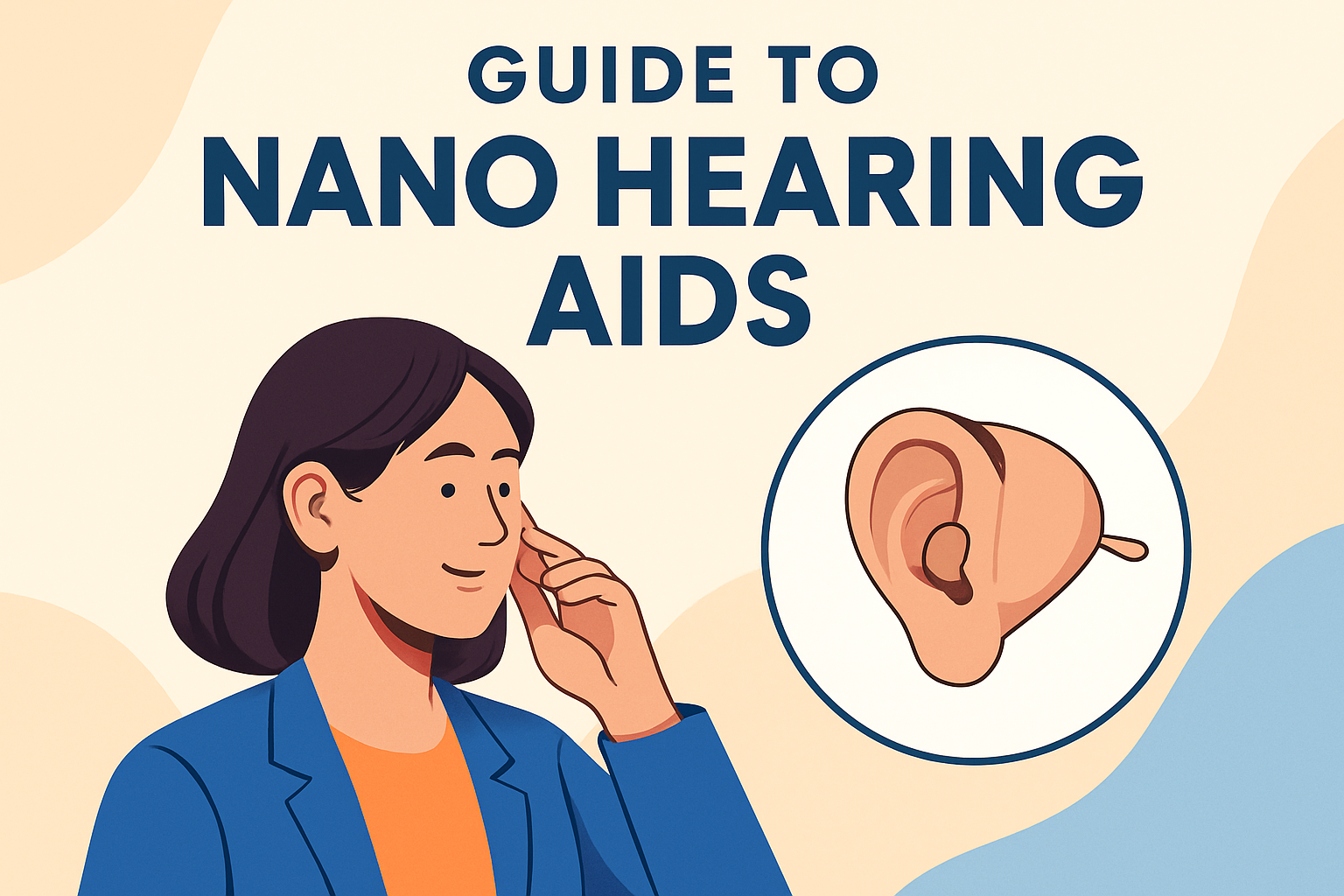
Introduction to Nano Hearing Aids
Hearing aids have revolutionized the lives of those experiencing hearing impairments. Among the diverse range of options available today, nano hearing aids stand out due to their size, advanced technology, and user convenience. Nano hearing aids represent a new frontier in auditory assistance, focusing on micro technology to deliver an enhanced auditory experience. This article aims to provide a comprehensive guide to nano hearing aids, elaborating on what they are, how they work, and why they matter to users requiring auditory support.
The term ‘nano’ generally refers to the extremely small dimension at a nanometer scale, which in the case of hearing aids, highlights incredibly compact and discreet devices. Within the context of hearing aids, nano pertains to both the miniature size and the sophisticated technology incorporated within these devices. As the demand for less visible and more user-friendly hearing aids grows, nano technology has become a beacon for innovation and practicality in this field.
The importance of nano hearing aids cannot be overstated. For many individuals, the idea of wearing a large, conspicuous device is a deterrent, not only due to self-consciousness but also due to concerns about comfort and ease of use. Nano hearing aids mitigate these concerns by being virtually invisible and lightweight, offering users significant confidence and comfort. Moreover, they incorporate cutting-edge sound processing technologies that enhance sound quality, improve speech comprehension, and adapt to various listening environments seamlessly.
Technological Features of Nano Hearing Aids
Firstly, it is essential to understand the intrinsic technological features that make nano hearing aids a leading choice. Most nano hearing aids include digital signal processing, a technology that converts sound into digital signals. This enables the device to filter noise, amplify specific frequencies, and deliver clearer sound to the user. A real-world application of this is seen when a user can hear more accurately in a noisy restaurant, as the hearing aid prioritizes conversational speech over background noise.
An example of this is seen in the newer models, which incorporate automatic noise reduction algorithms. These hearing aids can discern between speech and noise, automatically adjusting the volume and focus of the device to better serve the user in different environments. For instance, walking from a busy street into a quiet office results in automatic adaptation to the quieter setting without requiring manual adjustments.
| Feature | Description |
|---|---|
| Digital Signal Processing | Converts and processes sound into digital signals for enhanced clarity |
| Automatic Noise Reduction | Reduces background noise and emphasizes speech automatically |
| Compact Size | Discreet, lightweight, and comfortable for all-day wear |
| Bluetooth Connectivity | Allows wireless communication with smartphones and other devices |
Another significant feature of nano hearing aids is Bluetooth connectivity. This technology allows users to connect their hearing aids to smartphones, televisions, and other electronic devices wirelessly. Imagine a scenario where a user is able to receive a phone call directly through their hearing aids or stream music seamlessly. This technology enhances the user experience dramatically by marrying convenience with auditory support.
Real-World Utility and Ease of Use
Nano hearing aids are built with the user’s lifestyle and convenience in mind. The ultra-small size does not compromise on functionality; instead, it makes the device incredibly user-friendly. These hearing aids are designed to be worn comfortably all day long without the intrusive feeling often associated with larger devices. Their ergonomic design ensures they fit snugly within the ear, reducing the likelihood of them falling out during physical activity.
Let’s consider an elderly individual who enjoys attending local community events. With nano hearing aids, this person can effortlessly participate in conversations without asking others to repeat themselves frequently. The nano hearing aid’s capability to adjust automatically to varying sound environments ensures that users do not miss important dialogue, whether at a bustling community gathering or in a quiet library event.
The user interface of these advanced hearing aids is also straightforward. Many models come with mobile apps that allow users to customize their listening experiences with ease. Through these apps, users can adjust volume levels, program settings for different environments, and even self-monitor the hearing aid’s status, such as battery life. This kind of user-centric design is essential for promoting independent use and empowering users to control their auditory experiences effectively.
Advantages Over Traditional Hearing Aids
When comparing nano hearing aids to traditional models, the distinctions primarily rest in their size, technological capabilities, and the quality of life enhancements they offer. Traditional hearing aids, while effective, might not provide the same level of convenience due to bulkiness and the lack of modern features such as automatic noise suppression and wireless connectivity.
- Discreet Appearance: Nano hearing aids are virtually invisible when worn, which is a beneficial feature for those who prefer not to advertise their use of auditory assistance tools.
- Advanced Sound Clarity: With digital signal processing and noise reduction, nano hearing aids ensure clearer, more natural sound quality, especially in environments with challenging acoustics.
- Comfort and Fit: The ergonomic design is tailored to fit the unique contours of each individual’s ears, minimizing discomfort over prolonged use.
- Connectivity: Bluetooth technology bridges the gap between personal devices and hearing aids, offering seamless media consumption and communication.
- Simplified User Control: Tools and apps allow users to control their listening experience with precision and ease.
A practical comparison could be drawn to a user who previously relied on a larger, analog hearing aid. Transitioning to a nano model, they might immediately notice improved comfort and a newfound independence in a variety of societal and personal interactions, where previously, they felt hampered by their device.
Potential Limitations and Considerations
While the benefits are vast, prospective users should consider potential limitations inherent to nano hearing aids. Given their miniature size, some models might have reduced battery life compared to larger devices, demanding more frequent charging or battery replacements. Users highly reliant on continuous sound amplification may need to engage more thoroughly with maintenance routines to optimize their device’s performance.
Moreover, despite their advanced features, nano hearing aids might not be universally suitable for all types of hearing losses. They are typically most effective for individuals with mild to moderate hearing impairments. To illustrate, someone with significant auditory damage might require a device with more amplification power than what a nano hearing aid could offer. Therefore, thorough professional consultation and assessment of hearing requirements are crucial steps before deciding on this type of hearing aid.
Conclusion
In summary, nano hearing aids represent a remarkable fusion of technology and practicality, offering unparalleled benefits for those with hearing impairments. Their compact size, coupled with advanced auditory processing capabilities, brings about significant improvements in user comfort, sound clarity, and overall quality of life. Through the strategic integration of nano technology, these hearing aids address common drawbacks associated with traditional models, such as visibility and manual operation challenges while introducing cutting-edge advancements like Bluetooth connectivity and adaptive noise filtering.
For anyone considering acquiring hearing aids, nano options provide a compelling case with their myriad advantages. I encourage readers to consult with audiologists to explore if nano hearing aids align with their needs. Embracing this innovative technology can lead to a more rewarding auditory experience and a seamless integration of hearing support into one’s daily life. Dive into the possibilities and explore how nano hearing aids can redefine your auditory journey.
Frequently Asked Questions
1. What are Nano Hearing Aids?
Nano hearing aids are a type of hearing aid that emphasizes advanced micro technology and compact design to assist those with hearing impairments. Unlike traditional hearing aids, which can be bulkier and sometimes less discreet, nano hearing aids are made with the smallest components available in the market. This makes them much smaller, often fitting comfortably within the ear canal, making them almost invisible to others. They’re designed not only for aesthetic purposes but also for improved sound quality and convenience, leveraging cutting-edge technology like directional microphones and digital noise reduction capabilities to enhance the user’s auditory experience. These features make them especially appealing to users seeking a combination of discretion and performance. They are a testament to how far technology has come in addressing the needs of individuals with hearing difficulties, enabling them to live more connected and fulfilling lives.
2. How do Nano Hearing Aids enhance auditory experiences?
Nano hearing aids incorporate several key technologies that work together to enhance the user’s auditory experience significantly. First and foremost, they typically include advanced digital processors that can precisely distinguish between different sound frequencies, thereby amplifying vital sounds like speech while reducing background noise. This is particularly beneficial in noisy environments, such as restaurants or social gatherings, where traditional hearing aids might struggle to differentiate sounds. Additionally, many nano hearing aids feature directional microphones that further help focus on sounds coming from ahead of the user, and some even offer customizable settings, allowing users to adapt the hearing aids to their specific environments and personal preferences. Often equipped with Bluetooth technology, they can connect to smartphones and other devices, letting users stream audio directly into their hearing aids for a seamless experience. All of these functions help users not only hear more clearly but also engage more actively in conversations and social activities.
3. Are Nano Hearing Aids suitable for everyone with hearing loss?
While nano hearing aids are a technological marvel with numerous benefits, they may not be suitable for every individual experiencing hearing loss. These devices are generally most effective for people with mild to moderate hearing loss due to their design and enhanced sound filtering capabilities. However, individuals with severe to profound hearing loss might require more powerful devices, as nano hearing aids’ small size limits the extent to which they can amplify sound. Moreover, the tiny controls and settings of nano hearing aids can be challenging for users with dexterity issues or those uncomfortable with technology. It’s crucial for potential users to consult with an audiologist to determine the severity of their hearing loss and to discuss whether nano hearing aids are the best option for their specific needs. Additionally, audiologists can provide guidance on proper usage and maintenance, ensuring the hearing aids function optimally and offer the most comfortable user experience possible.
4. What kind of maintenance and care do Nano Hearing Aids require?
Proper maintenance and care are vital for the longevity and optimal performance of nano hearing aids. Due to their small size, they’re more susceptible to damage from dirt, debris, and moisture, so regular cleaning is essential. Users should clean their hearing aids daily, using a soft, dry cloth to remove any earwax or dust particles. It’s also important to store the hearing aids in a safe, dry place when not in use, preferably in a dehumidifying case designed for hearing device storage to remove any accumulated moisture. Moreover, users should check the batteries regularly and replace them as needed to prevent any interruptions in functionality. For devices with rechargeable batteries, following the manufacturer’s charging instructions is crucial to maintain battery life. Additionally, scheduling regular check-ups with an audiologist can help identify any potential issues early on, allowing for timely adjustments or repairs. Being diligent with these care practices ensures that the nano hearing aids remain reliable and effective over time.
5. What are some common challenges users face with Nano Hearing Aids, and how can they be addressed?
Users of nano hearing aids might encounter a few common challenges, but most of these can be mitigated with the right approach. Initially, new users may experience discomfort due to the snug fit within the ear canal. It’s essential to have the hearing aids properly fitted by a professional to minimize any discomfort. Some users may also find the smaller controls on nano hearing aids difficult to manage, particularly those with larger fingers or dexterity issues. This can often be addressed by training and practice, or by consulting with an audiologist who might recommend accessory tools to aid in handling and adjustments. Feedback, characterized by a whistling sound, can occur if the hearing aid isn’t properly fitted or if there’s earwax buildup. Regular cleaning and professional fitting can mitigate this issue. Lastly, like any technology, technical malfunctions can happen, necessitating a visit to an audiologist for troubleshooting. Proactively learning about these challenges and working with professionals enables users to get the most out of their nano hearing aids.