
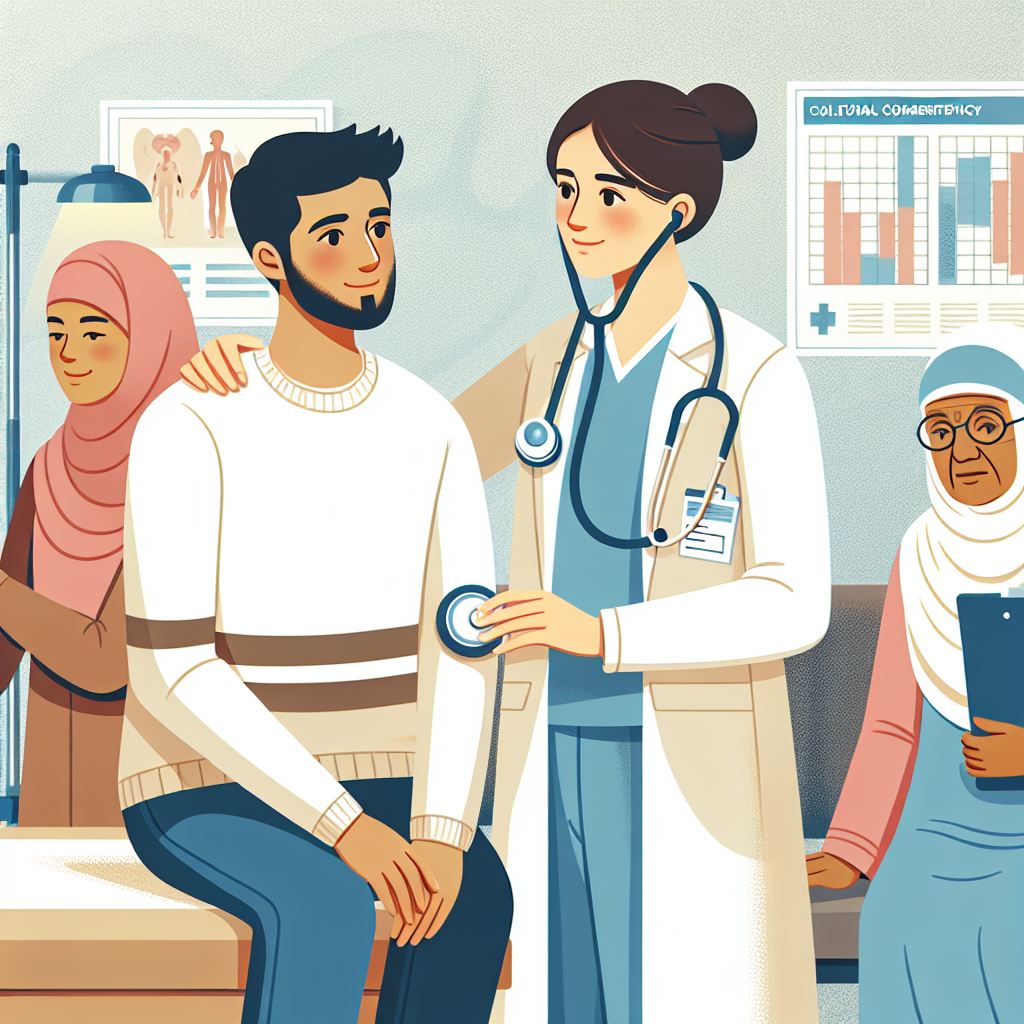
In today’s diverse society, healthcare providers encounter patients from various cultural backgrounds, each with unique needs and communication styles. For Deaf individuals, effective communication is not just a matter of convenience—it’s a critical component of safe and effective care. Cultural competency in healthcare, which includes understanding and respecting the unique experiences of Deaf patients, can significantly improve health outcomes and, in many cases, save lives.
Understanding Cultural Competency
Cultural competency refers to the ability of healthcare providers to deliver services that meet the social, cultural, and linguistic needs of patients. It involves recognizing and respecting differences in beliefs, values, and practices among diverse patient populations. For Deaf individuals, cultural competency encompasses an understanding of Deaf culture, communication preferences, and the challenges they face within the healthcare system.
The Importance of Cultural Competency in Healthcare
Effective communication is the cornerstone of quality healthcare. When healthcare providers lack cultural competency, particularly regarding Deaf patients, it can lead to misunderstandings, misdiagnoses, and inadequate treatment plans. For instance, a study highlighted that poor communication between healthcare professionals and Deaf patients often results in patients not being properly informed about their disease and prognosis, leading to potential harm.
Challenges Faced by Deaf Individuals in Healthcare Settings
Deaf individuals often encounter several barriers when accessing healthcare services:
- Communication Barriers: Many healthcare providers are not proficient in sign language, and qualified interpreters may not always be available. This gap can lead to significant misunderstandings during medical consultations.
- Lack of Awareness: Some healthcare professionals may not fully understand the cultural and linguistic needs of Deaf patients, leading to assumptions that all Deaf individuals have the same communication preferences.
- Limited Access to Information: Health information is frequently disseminated in formats inaccessible to Deaf individuals, such as audio recordings or non-captioned videos.
Strategies to Enhance Cultural Competency in Healthcare
To bridge the gap and provide equitable care to Deaf patients, healthcare providers can implement the following strategies:
- Education and Training: Healthcare professionals should receive training on Deaf culture, communication methods, and the use of assistive technologies. Understanding the diversity within the Deaf community is crucial for effective communication.
- Utilization of Qualified Interpreters: Ensuring the availability of certified sign language interpreters during medical appointments is essential. This practice not only facilitates accurate communication but also builds trust between the patient and provider.
- Implementation of Assistive Technologies: Incorporating technologies such as video relay services (VRS) and video remote interpreting (VRI) can enhance real-time communication between Deaf patients and healthcare providers.
- Development of Accessible Health Materials: Providing health information in accessible formats, including written materials, captioned videos, and visual aids, ensures that Deaf patients have equal access to vital health information.
- Policy Development: Healthcare institutions should develop and enforce policies that mandate the provision of accessible services for Deaf patients, including the availability of interpreters and the use of assistive technologies.
The Role of Technology in Bridging Communication Gaps
Advancements in technology have significantly improved communication options for Deaf individuals:
- Video Relay Services (VRS): VRS allows Deaf individuals to communicate with hearing people via a sign language interpreter through video calls, facilitating more natural and effective conversations.
- Video Remote Interpreting (VRI): VRI provides on-demand access to interpreters through video conferencing, which is particularly useful in healthcare settings where immediate communication is necessary.
- Telehealth Services: Telehealth platforms that incorporate sign language interpreters or are designed with Deaf-friendly interfaces can improve access to healthcare services for Deaf patients.
Case Studies Highlighting the Impact of Cultural Competency
Several case studies illustrate the positive outcomes of implementing cultural competency in healthcare:
- Improved Patient Satisfaction: Healthcare facilities that have integrated cultural competency training and provided accessible services report higher satisfaction rates among Deaf patients.
- Enhanced Health Outcomes: Patients who receive care from culturally competent providers are more likely to adhere to treatment plans, attend follow-up appointments, and engage in preventive health measures.
Conclusion
Cultural competency in healthcare is not merely an ethical obligation but a practical necessity that can save lives. By understanding and addressing the unique needs of Deaf patients, healthcare providers can ensure equitable, effective, and compassionate care for all. Implementing strategies such as education, the use of qualified interpreters, and the integration of assistive technologies can bridge communication gaps and lead to better health outcomes for Deaf individuals.
As society progresses, it becomes increasingly important to recognize and celebrate the Deaf community’s contributions, to understand its unique culture, and to advocate for greater inclusion and accessibility. In doing so, we not only honor the Deaf community but also enrich our broader societal tapestry with the diversity and richness it brings.