
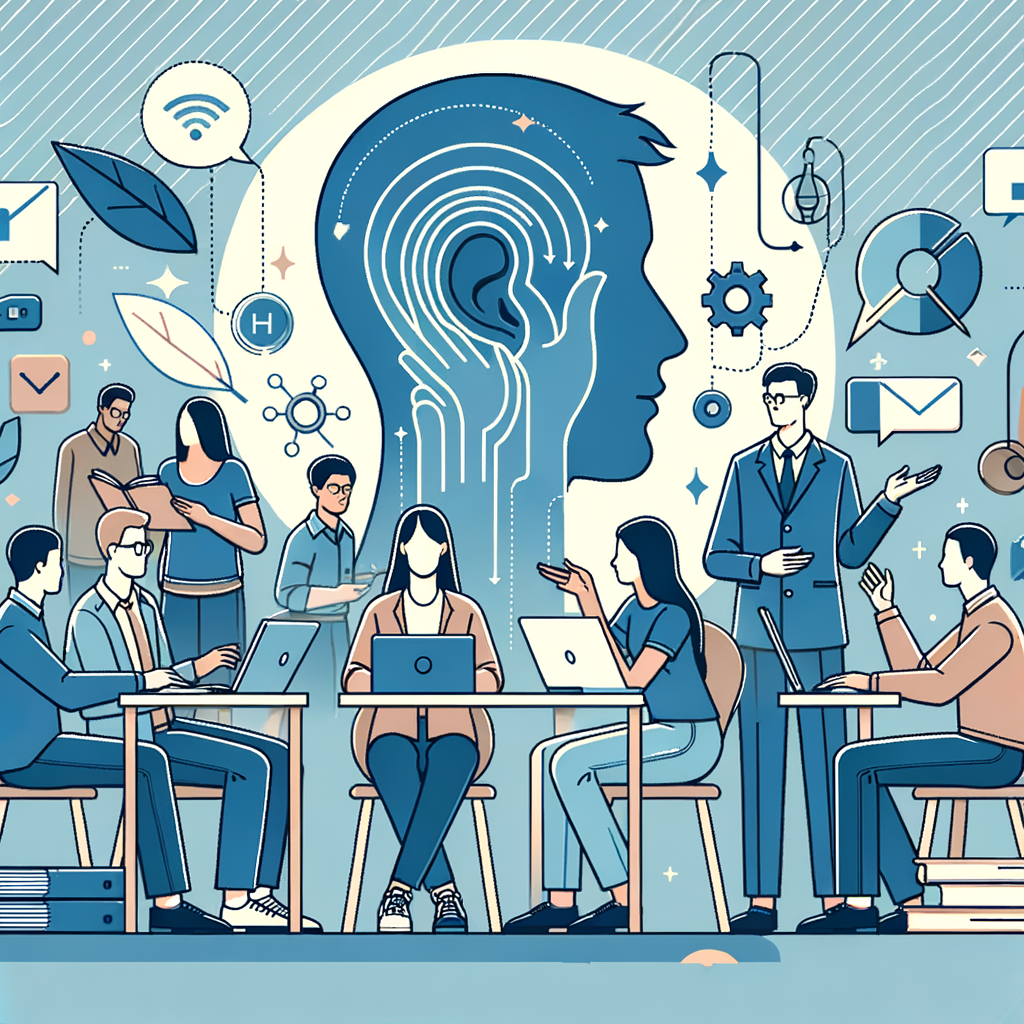
Deaf mentorship programs represent a pivotal innovation designed to bridge the gap between education and professional environments. These programs connect deaf students with established deaf professionals, facilitating a seamless transition from academic settings to the workplace. Deaf mentorship programs are building blocks that not only empower the mentees but enrich the mentors, fostering a community that thrives on mutual growth and shared experiences.
In today’s interconnected world, the need for these types of initiatives is more apparent than ever. They provide crucial support by addressing unique challenges faced by deaf individuals, including communication barriers, lack of representation, and limited access to role models within their communities. These programs become the conduit through which knowledge, encouragement, and practical skills are transferred, ensuring that individuals with hearing impairments can achieve their fullest potential.
Modern mentorship programs cater to the deaf community by adapting to their specific needs and leveraging strengths such as American Sign Language (ASL), visual learning tools, and digital communication platforms. In this way, they are designed not only to instruct but to inspire, enabling students to see firsthand what they can achieve. Through these partnerships, mentees gain invaluable insights into their chosen professions, direct exposure to potential career paths, and the confidence to advocate for themselves.
This article explores the multifaceted benefits of deaf mentorship programs, illustrating their impact on both individuals and the broader community. By focusing on personal stories and expert insights, we aim to highlight the profound difference that these programs can make. Whether you’re a student, a professional, or an advocate, understanding the dynamics of these mentorship initiatives opens the door to fostering greater inclusivity and accessibility in various facets of life.
Understanding the Need for Deaf Mentorship Programs
Deaf mentorship programs have evolved as fundamental tools to address specific challenges faced by the deaf and hard-of-hearing community in academic and professional settings. These challenges often stem from systemic communication barriers and a lack of targeted educational resources. For deaf students, the accessibility issue can begin as early as elementary school and continue through higher education and beyond. Traditional learning environments often overlook the specialized needs of these students, leaving them without adequate support that hearing peers might take for granted.
In professional arenas, deaf individuals frequently encounter diminished opportunities due to a scarcity of role models and mentors who understand their unique experiences. Limited job opportunities, misconceptions about the capabilities of deaf individuals, and inaccessible workplaces contribute to a higher unemployment rate in the deaf community compared to hearing counterparts. This is where deaf mentorship programs make a significant impact, bridging the gulf by connecting students with professionals who have charted similar paths.
Beyond addressing immediate educational and career challenges, these programs offer psychological and social benefits. They provide a sense of community and belonging, where shared experiences and challenges are not just understood but anticipated. Mentees gain an invaluable support network comprising individuals who have overcome similar hurdles, which instills reassurance and fortifies their resolve to succeed.
Furthermore, mentorship programs challenge societal misconceptions by validating the unique talents and perspectives that deaf individuals contribute to various industries. They facilitate open dialogues about workplace accommodations and inclusivity practices, which can lead to systemic changes that benefit the broader community. These programs do more than prepare deaf students for the workforce—they demand progress towards a more equitable society.
Building Effective Deaf Mentorship Programs
Creating effective mentorship programs for the deaf is a holistic process requiring intentional planning, inclusive practices, and a focus on accessibility. At the heart of these programs are the relationships forged between mentors and mentees, which hinge on clear communication and mutual respect. Programs begin by selecting mentors who not only excel in their careers but also have a passion for advocacy within the deaf community.
The next critical component is the integration of technology to facilitate smooth and effective mentorship processes. Utilizing platforms that accommodate visual communication, such as video conferencing tools with high-quality captioning and translation services in ASL, ensures that neither party is disadvantaged in any dialogue. This technological backbone supports consistency and reliability in communication, which encourages candid, meaningful exchanges.
Furthermore, structured program design is essential to nurture these mentorship relationships. Programs benefit from well-defined expectations and milestones. Regular workshops, seminars, and feedback sessions offer frameworks for continuous learning and development. Such structures afford participants numerous opportunities to discuss progress and address any challenges with actionable solutions.
Another significant element involves community-building activities that go beyond professional development. Social gatherings, networking events, and professional panels enable mentees to expand their networks while practicing their communication skills in diverse settings. These interactions often mirror real-world scenarios, preparing mentees for varied professional environments they will encounter upon officially entering the workforce.
Real-Life Impacts and Success Stories
The theory and design behind deaf mentorship programs only tell part of the story. Real-life success stories bring the transformative power of these programs into sharp relief. One such example is the experience of a young deaf engineering student who connected with a mentor working in a leading tech company. Prior to entering the mentorship program, the student struggled to find internships due to misconceptions about their ability to work effectively in team settings that rely heavily on verbal communication.
Through the mentorship program, the student learned industry-specific skills tailored to their career goals and received personalized advice on navigating workplace cultures. The mentor advocated on behalf of the mentee by showcasing their competency through personal networks and educating potential employers about accommodations. The mentorship culminated in the mentee securing a coveted position at a competitive firm, serving as a testament to their abilities and the effectiveness of the mentorship relationship.
Moreover, mentorship stories reveal nuanced feedback that can influence the future of these programs. Mentors often express renewed passion for their fields as they guide the next generation, alongside a heightened awareness of the need for inclusivity that they can champion within their organizations. Such dynamics underscore the mentorship program’s enriched capacity for engendering widespread advocacy and empathy throughout industry sectors.
Challenges and Opportunities in Deaf Mentorship Programs
Despite their meaningful contributions, deaf mentorship programs can face challenges that necessitate ongoing adjustments and innovations. One primary challenge is ensuring widespread access to these programs across diverse geographic areas and cultures. While technology mitigates some of these barriers, socioeconomic disparities can affect how readily students can access these critical resources.
Additionally, the development of self-sustaining mentorship ecosystems remains a hurdle. Programs often rely heavily on volunteer mentors, which can create sustainability issues or difficulty in maintaining consistent mentor enthusiasm. Strategies to address this include offering ongoing training, providing incentives, and highlighting the reciprocal benefits to mentors in promotions and career advancement.
Nevertheless, these challenges present opportunities for growth and innovation. Leveraging partnerships with educational institutions, non-profits, and the private sector can help extend the reach and impact of programs. Collaborating with technology firms to develop specialized tools tailored to the needs of visually reliant learners can also transform program delivery. Moreover, the increased visibility of successful mentorship programs could drive public policy changes toward greater inclusivity and accessibility, leading to systemic change within educational and corporate landscapes.
Conclusion
As the world becomes more interconnected and industries prioritize diversity and inclusion, deaf mentorship programs offer a vital means of aligning societies towards these values through practical application. By intricately linking the personal and professional journeys of deaf students with seasoned mentors, these programs cultivate an environment ripe for individual success and communal understanding.
Mentorships expand perspectives and provide tools that empower deaf students to navigate and succeed within diverse workforce arenas. They strengthen competency, nurture advocacy, and facilitate the dismantling of barriers that have historically isolated deaf individuals from equitable opportunities.
The crucial roles these programs play cannot be overstated. They are beacons of change that light the way towards enhanced socialized empathy. By highlighting and expanding the capacities of these initiatives, stakeholders can ensure they become cornerstones of accessibility and inclusion efforts on a grand scale. With continued evolution and support, deaf mentorship programs are poised to redefine the professional landscape for deaf individuals, fostering champions who will lead us into an inclusive future.
The narrative of deaf mentorship underscores not only the impact on individual lives but the broader potential for cultural change. It is a vivid testament to the change possible when communities come together to embrace and uplift each other. We must continue to invest time, resources, and passion into these programs, creating an enduring legacy of support, growth, and mutual triumph.