
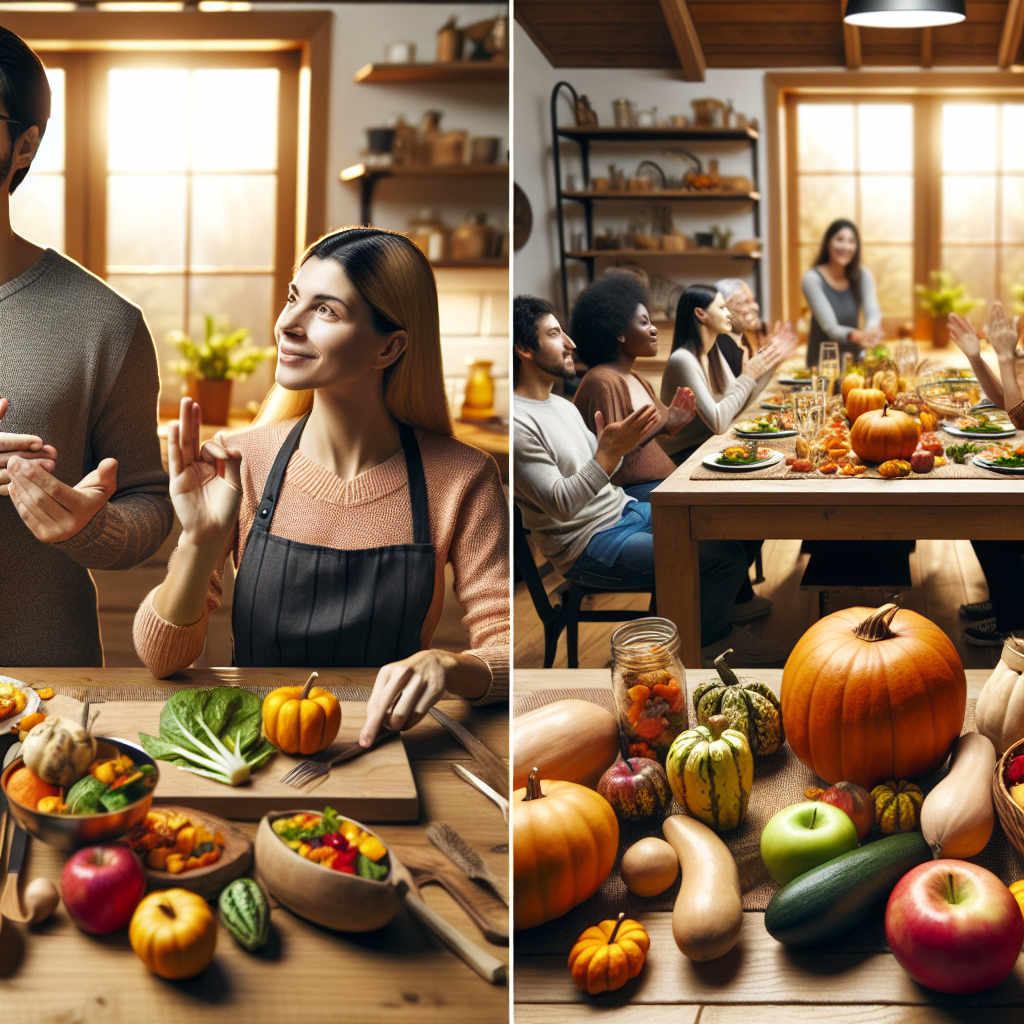
As the leaves turn to vibrant hues and the air turns crisp, fall usher in a season of warmth, comfort, and bountiful produce. This is the perfect time to indulge in cozy cooking and share hearty meals with loved ones. However, creating an inclusive environment, especially for Deaf or hard-of-hearing individuals, isn’t always considered when planning fall activities. This article explores the abundant array of fall produce, shares Deaf-friendly recipes, and emphasizes the importance of an inclusive cooking and dining experience.
Introduction: The Intersection of Fall Produce and Deaf Education
The beauty of fall lies in its simplicity: a time when nature offers an exceptional array of produce that can transform ordinary meals into extraordinary culinary experiences. Pumpkins, squashes, apples, pears, sweet potatoes, and an abundance of root vegetables – the list is endless. These ingredients not only offer an explosion of flavors but are also packed with nutrients. Cooking with seasonal produce can be a delightful experience for everyone involved, including Deaf individuals. Whether you are a teacher, parent, or friend of a Deaf person, understanding how to create Deaf-friendly cooking activities ensures an inclusive and enjoyable experience for all.
Deaf education and awareness in culinary spaces have gained momentum, breaking the barriers that often limit inclusivity. Cooking is a universal activity that bonds people together, transcending hearing abilities. This fall, let’s explore how we can foster an inclusive cooking environment and savor recipes that are not only delicious but also Deaf-friendly.
Benefits of Cooking with Seasonal Fall Produce
Cooking with fall produce is not just about the flavors; it is about experiencing the richness and wholesomeness of ingredients that have ripened to their peak. Here are some benefits:
- Enhanced Nutrition: Seasonal produce is often richer in nutrients, having grown and ripened in the most natural and optimal conditions. For example, pumpkins are packed with vitamins A and C, as well as fiber.
- Cost-Effective: Seasonal produce is generally less expensive due to the abundance of supply. This makes fall the perfect time to buy and cook these ingredients, stretching every dollar further.
- Support Local Farmers: Purchasing local seasonal produce supports the community and reduces the carbon footprint associated with transporting out-of-season ingredients.
- Flavorful Meals: There’s no denying that seasonal produce tastes better. Utilizing ingredients at their peak freshness will result in more flavorful and aromatic dishes.
For the Deaf community, these benefits extend beyond nutrition and cost. Cooking together using seasonal ingredients can create meaningful, inclusive experiences that foster communication and connection.
Creating Deaf-Friendly Cooking Environments
- Clear and Inclusive Communication: Ensure recipe instructions are available in printed format and visual aids such as images or videos with captions.
- Sign Language Resources: Use sign language interpreters or have someone who can communicate using sign language present.
- Attention to Visuals: Use clear visual signals for timing, such as large digital clocks or timers with visible alarms.
These considerations help in creating an inclusive environment where everyone can participate. Cooking is a multisensory experience; ensuring visual and tactile elements are prominent can make a significant difference for Deaf individuals.
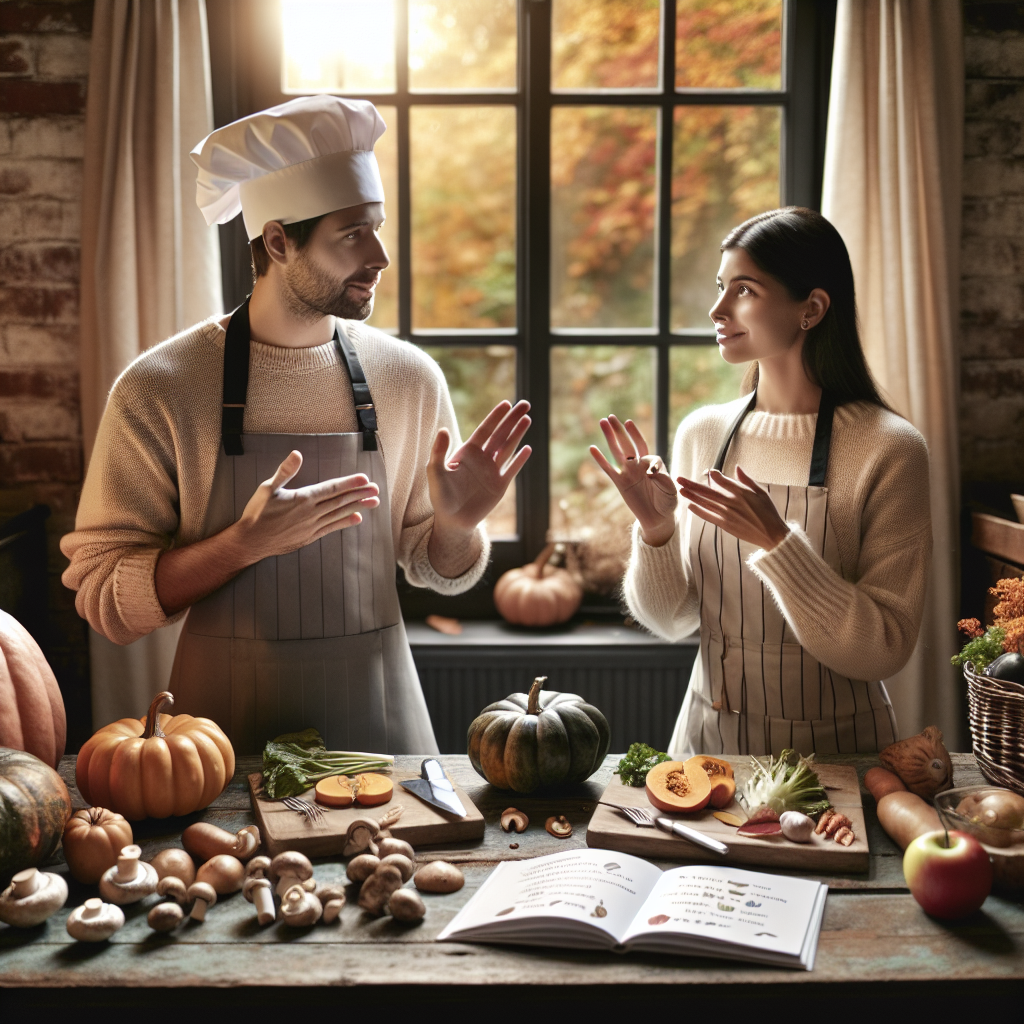
Deaf-Friendly Fall Recipes
Here are a few Deaf-friendly recipes using fall produce. These recipes emphasize clear instructions, visual aids, and are perfect for inclusive cooking activities.
Pumpkin Soup
Ingredients:
- 2 cups pumpkin puree
- 1 cup vegetable broth
- 1 cup coconut milk
- 1 onion, diced
- 2 garlic cloves, minced
- 1 tsp ground cinnamon
- Salt and pepper to taste
Instructions:
- In a large pot, sauté diced onions and minced garlic until they become translucent.
- Add the pumpkin puree and vegetable broth. Stir and bring to a boil.
- Reduce heat and add coconut milk, cinnamon, salt, and pepper. Simmer for 15 minutes.
- Blend the soup until smooth using an immersion blender.
- Serve hot with a swirl of coconut milk on top.
Apple-Cinnamon Muffins
Ingredients:
- 2 cups all-purpose flour
- 1 cup sugar
- 1 tsp baking powder
- 1/2 tsp baking soda
- 1 tsp ground cinnamon
- 1/2 tsp salt
- 2 large eggs
- 1 cup unsweetened applesauce
- 1/4 cup vegetable oil
- 1 tsp vanilla extract
- 1 apple, peeled and diced
Instructions:
- Preheat the oven to 350°F (175°C). Line a muffin tin with paper liners.
- In a large mixing bowl, whisk together the flour, sugar, baking powder, baking soda, cinnamon, and salt.
- In another bowl, beat the eggs, applesauce, oil, and vanilla extract until combined.
- Gradually add the wet ingredients to the dry ingredients, stirring until just combined. Fold in the diced apple.
- Divide the batter evenly among the muffin cups.
- Bake for 20-25 minutes or until a toothpick inserted into the center comes out clean.
These recipes are not only suitable for the season but also promote inclusivity. Visual instructions and using ingredients that can be tactilely identified enhance the cooking experience for Deaf individuals.
Community and Connection through Inclusive Cooking
Cooking has the power to bring people together, regardless of their hearing ability. By creating an inclusive kitchen, we can foster a sense of community and connection. Hosting cooking classes or seasonal cooking parties where Deaf and hearing individuals can learn and cook together can be profoundly enriching. These events can encourage communication, understanding, and a shared love for food.
Here are some tips to ensure these events are inclusive:
- Use Visual Cues: Simple gestures or signs can indicate different stages in the cooking process, such as when to start mixing or when the timer goes off.
- Encourage Teamwork: Pairing individuals can promote collaboration and ensure that everyone feels included.
- Provide Written Instructions: Detailed, step-by-step instructions should be provided in written form.
- Highlight Safety: Always emphasize kitchen safety, using clear, visual demonstrations.
Empowering Through Education
Education plays a vital role in fostering inclusivity. Teaching young Deaf individuals about cooking and nutrition using seasonal produce not only equips them with life skills but also empowers them to participate fully in culinary activities. By introducing cooking as a hands-on learning experience, we can help them understand the importance and benefits of using seasonal ingredients.
Here are a few educational activities that can be introduced:
- Interactive Cooking Classes: Offering classes that use sign language and provide hands-on experiences with cooking fall produce.
- Visual Recipe Cards: Creating recipe cards with step-by-step visual instructions and sign language support.
- Nutrition Workshops: Educating about the nutritional benefits of different fall produce through interactive and visual presentations.
Conclusion: A Season of Inclusivity and Culinary Delight
Fall is a season that celebrates the abundance and beauty of nature’s produce. By embracing inclusive cooking practices and Deaf-friendly recipes, we can ensure that everyone, regardless of their hearing ability, can partake in the joy and warmth of fall cooking. Whether through creating a Deaf-friendly kitchen environment, hosting inclusive cooking events or empowering through education, the goal is to foster a community where everyone feels valued and included.
Let’s make this fall memorable by cooking delicious meals, sharing them with loved ones, and creating inclusive experiences that promote understanding and connection. After all, the true essence of food lies in its ability to bring people together, transcending all barriers.