
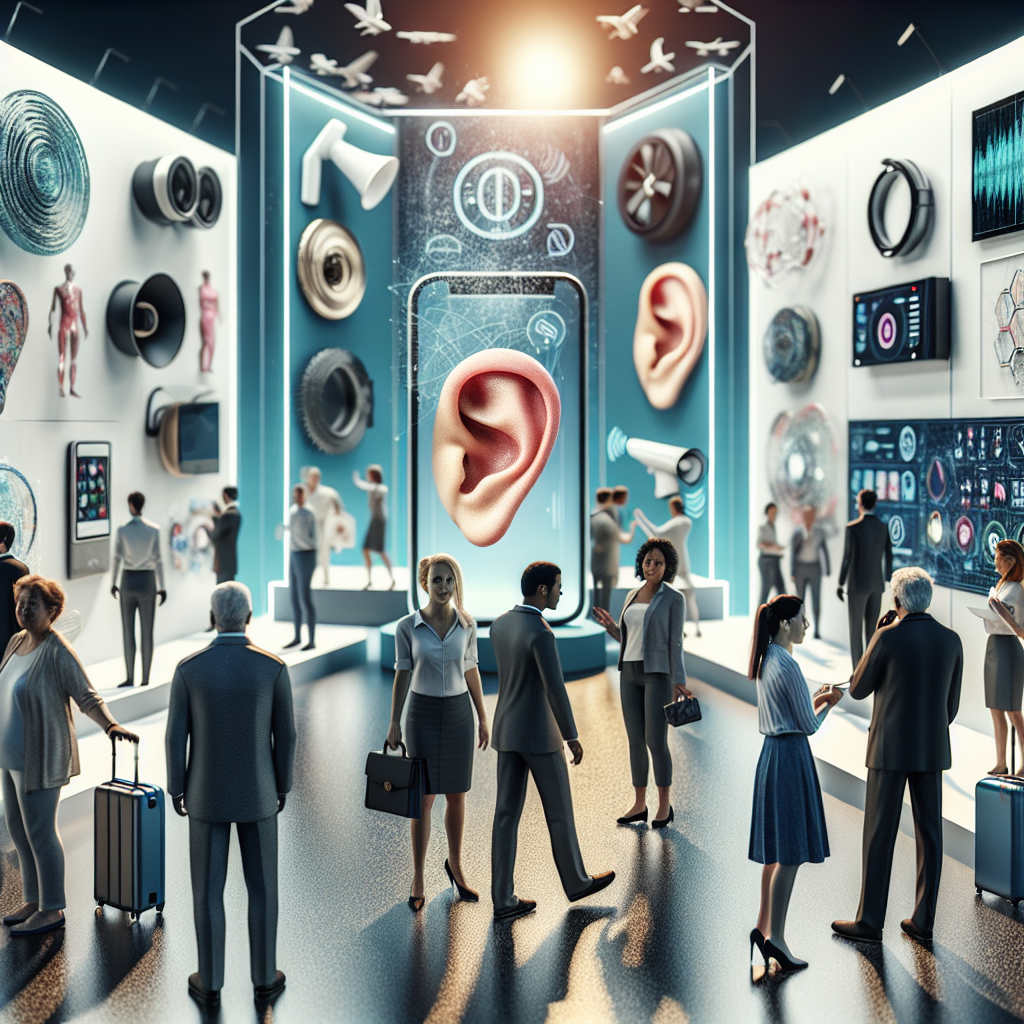
In recent years, technological advancements have enabled previously unimaginable progress in numerous fields, including Deaf education and awareness. The landscape of assistive technology has transformed rapidly, providing innovative solutions that enrich the lives of Deaf individuals, enhancing their ability to communicate, learn, and participate fully in society. Assistive technology encompasses devices and software specifically designed to improve accessibility and independence for those with hearing impairments. This article aims to showcase the latest tools and gadgets that are empowering Deaf lives, highlighting the role of these innovations in promoting inclusivity and equal opportunities.
As we celebrate technological achievements, it’s crucial to recognize the importance of these developments in breaking down barriers and creating a more inclusive world. Whether through educational aids, communication devices, or daily living enhancements, assistive technology has proven to be a game-changer for the Deaf community. By equipping individuals with the right tools, we can foster an environment where everyone can thrive regardless of their hearing ability. This feature will delve into various categories of assistive technology, spotlighting specific examples that showcase the cutting-edge applications currently making a difference in Deaf education and daily life.
Revolutionizing Communication
Communication is a fundamental aspect of human interaction, and for the Deaf community, innovations in this area have been particularly impactful. Advancements in real-time captioning, sign language translation, and speech-to-text technologies have revolutionized how Deaf individuals communicate with the hearing world.
One notable tool is the Ava app, which provides real-time captioning for conversations. By simply opening the app and speaking into the microphone, users receive instant text transcriptions. This application is invaluable in various settings, including classrooms, workplaces, and social gatherings, ensuring that Deaf individuals do not miss out on any spoken information.
Another significant innovation is the SignAll system, which translates American Sign Language (ASL) into written text. Using a combination of cameras and sensors, SignAll captures the user’s sign language gestures and converts them into text displayed on a screen. This technology is particularly beneficial for communication between Deaf and hearing individuals who may not be fluent in ASL, bridging the gap and fostering mutual understanding.
Enhancing Educational Experiences
Education is a cornerstone for personal and professional growth, and assistive technology plays a critical role in making learning accessible for Deaf students. Modern educational tools cater specifically to the needs of Deaf learners, providing customized solutions that support their unique learning styles.
One such tool is the Roger Pen, a wireless microphone designed to improve listening and understanding in noisy environments. Teachers can wear the pen, and the transmitted audio is sent directly to the student’s hearing aid or cochlear implant. This ensures that Deaf students can hear their teacher clearly, even in a bustling classroom.
Visual learning tools, such as interactive whiteboards and digital textbooks with integrated sign language videos, also contribute significantly to Deaf education. These resources allow students to access information in visually engaging formats, accommodating their preferred learning styles and enhancing comprehension.
Additionally, online platforms like SignSchool offer a wide range of ASL courses and resources, making it easier for both Deaf and hearing individuals to learn and practice sign language. This not only supports Deaf students in their academic pursuits but also promotes understanding and inclusivity among their peers and educators.
Supporting Daily Living
Assistive technology extends beyond education and communication, playing a vital role in enhancing the daily lives of Deaf individuals. From safety devices to home automation systems, these innovations ensure that Deaf people can live independently and confidently.
One such device is the Bellman & Symfon Visit Alerting System, which uses visual and vibrating alerts to notify users of important events, such as doorbell rings, telephone calls, or smoke alarms. By ensuring that Deaf individuals are aware of their surroundings, this system helps create a safer and more responsive living environment.
Smart home technology, such as the Amazon Echo and Google Nest, has also contributed to greater independence for Deaf individuals. Utilizing voice commands and smart devices, users can control various aspects of their home environment, from adjusting the thermostat to turning on lights. By integrating visual alerts or vibrating notifications, these systems cater to the needs of Deaf users, making daily tasks more manageable.
Additionally, apps like Glide enable Deaf users to communicate through video messaging, allowing them to maintain social connections with family and friends. By leveraging the power of video technology, Deaf individuals can converse in sign language, fostering stronger relationships and reducing feelings of isolation.
Promoting Employment Opportunities
Employment is another critical area where assistive technology is making significant strides in improving accessibility and inclusivity for Deaf individuals. By providing tools that facilitate effective communication and job performance, these technologies support Deaf professionals in pursuing their careers and achieving their goals.
One notable example is Video Relay Service (VRS), which allows Deaf individuals to communicate with hearing colleagues and clients over the phone. Through a video call, a sign language interpreter facilitates communication between the Deaf user and the hearing party, ensuring that both sides understand each other clearly.
Real-time captioning services, like those offered by companies such as Rev and Otter.ai, are also invaluable in the workplace. These services provide instant text transcriptions of meetings, conference calls, and presentations, enabling Deaf employees to participate fully and stay informed.
Furthermore, assistive technology has paved the way for remote work opportunities, allowing Deaf individuals to work from home while staying connected with their teams. Platforms like Zoom and Microsoft Teams offer integrated captioning and sign language interpreter support, ensuring that Deaf professionals can engage in virtual meetings and collaborate effectively.
Fostering Social Inclusion
Beyond the realms of communication, education, daily living, and employment, assistive technology also plays a crucial role in promoting social inclusion for Deaf individuals. By providing tools that break down barriers and facilitate interaction, these innovations help create a more inclusive and equitable society.
One such tool is the Signly app, which provides on-demand sign language translations for written content. By scanning QR codes, users can access sign language videos that explain the information in a more accessible format. This technology has been particularly useful in public spaces, such as museums and visitor centers, where Deaf individuals can access information and fully engage with their surroundings.
Social media platforms, like Facebook and Instagram, have also become more inclusive with the addition of features like automatic captioning for videos. These enhancements ensure that Deaf users can access and enjoy content alongside their hearing counterparts, fostering a sense of belonging and community.
Additionally, virtual reality (VR) technology is opening new avenues for social interaction and cultural experiences. VR applications, like the ASL Fingerspelling VR app, allow users to practice sign language in immersive environments, providing an engaging and interactive way to learn and connect with others. By creating shared experiences, VR technology helps bridge the gap between Deaf and hearing individuals, promoting understanding and inclusion.
The Future of Assistive Technology for the Deaf Community
As technology continues to evolve, the potential for further advancements in assistive technology for Deaf individuals is boundless. Emerging trends, such as artificial intelligence (AI) and machine learning, are poised to revolutionize the way we approach accessibility and inclusivity.
For instance, AI-powered sign language recognition systems are being developed to improve the accuracy and efficiency of sign language translation. By leveraging machine learning algorithms, these systems can better understand and interpret complex gestures, providing more reliable translations and enhancing communication between Deaf and hearing individuals.
Moreover, advancements in wearable technology, such as smart glasses and haptic feedback devices, offer exciting possibilities for Deaf users. Smart glasses equipped with real-time captioning and sign language translation features can provide seamless access to information in various contexts, from classrooms to social events. Meanwhile, haptic feedback devices can convey information through vibrations, offering an alternative means of communication for Deaf individuals.
As we look to the future, it is essential to continue fostering collaboration between technologists, educators, and the Deaf community. By working together, we can ensure that the development of assistive technology is guided by the needs and perspectives of Deaf individuals, creating solutions that truly empower and enhance their lives.
Conclusion
The advancements in assistive technology for Deaf individuals have undoubtedly had a profound impact on their ability to communicate, learn, work, and engage with the world around them. From real-time captioning apps and sign language translation systems to educational tools and smart home devices, these innovations have broken down barriers and created new opportunities for Deaf individuals to thrive in various aspects of life.
As we celebrate these technological achievements, it is crucial to continue raising awareness and advocating for the adoption and development of assistive technology. By highlighting the latest tools and gadgets that empower Deaf lives, we can inspire further innovation and support the ongoing efforts to create a more inclusive and accessible society.
Ultimately, the success of assistive technology depends on the collaboration and commitment of all stakeholders, including technologists, educators, policymakers, and the Deaf community. By working together, we can ensure that the benefits of these advancements are realized and that Deaf individuals have the tools and resources they need to lead fulfilling and independent lives.
In conclusion, the future of assistive technology for the Deaf community holds immense promise. With continued innovation and a focus on inclusivity, we can look forward to a world where Deaf individuals are empowered to achieve their full potential and participate fully in all aspects of life. Let us celebrate and support the ongoing advancements in assistive technology, recognizing their transformative impact and the opportunities they create for a more inclusive and equitable society.