
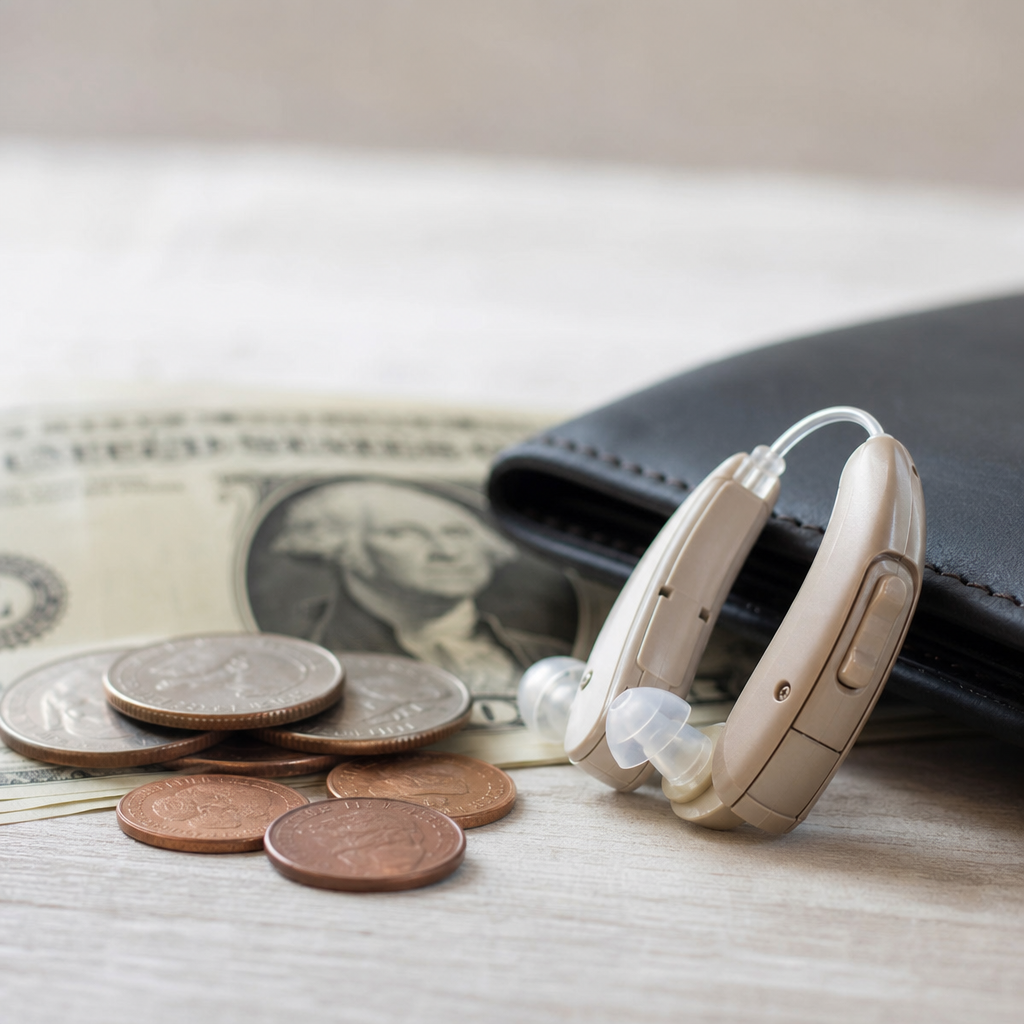
Finding the cheapest hearing aids is not just about spending less; it is about getting safe, usable amplification that matches your hearing needs without paying for features you will never use. In hearing care, “cheap” can mean several different things: low upfront price, low long-term ownership cost, or the best value at a modest budget. I have worked with buyers comparing over-the-counter devices, prescription products, and direct-to-consumer models, and the biggest mistake is assuming every low-priced device solves the same problem. It does not. Mild age-related hearing loss, speech-in-noise difficulty, tinnitus support, Bluetooth streaming, rechargeable batteries, remote care, return policies, and repair coverage all affect what counts as affordable. This guide explains the cheapest hearing aids across the general market, how pricing works, who should buy budget models, what tradeoffs to expect, and how to choose a device that helps rather than frustrates. If you want a practical hub article on affordable hearing aids, start here before comparing specific brands, styles, and care options.
What “cheapest hearing aids” really means
The cheapest hearing aids are usually found in three categories: basic over-the-counter hearing aids for perceived mild to moderate hearing loss, entry-level prescription hearing aids sold through clinics, and direct-to-consumer hearing aids that blend online sales with remote support. The least expensive products on the market may start below $300 per pair, but price alone is a poor filter because some low-cost sound amplifiers are not true hearing aids and are not tuned for hearing loss. A real hearing aid should let you adjust frequency response, output, and listening modes in a way that supports speech understanding rather than simply making everything louder.
For most budget-focused shoppers, the practical price bands look like this: about $300 to $1,000 per pair for basic OTC hearing aids, roughly $1,000 to $2,500 per pair for many direct-to-consumer or remote-fit devices, and often $2,000 to $5,000 or more per pair for prescription hearing aids bundled with in-person professional care. Those ranges shift by technology level, clinic model, and warranty. In my experience, buyers save the most money when they compare total cost of ownership, not sticker price. Batteries, domes, wax guards, app support, office visits, fitting fees, and loss-and-damage coverage matter.
Affordability also depends on hearing profile. If your hearing loss is mild and fairly symmetrical, an OTC model can be the cheapest good option. If you have severe hearing loss, one-sided hearing loss, ear pain, drainage, sudden hearing changes, or poor word recognition, the cheapest safe path may actually be a professional exam first, because buying the wrong device wastes money and delays treatment. Budget hearing aids work best when the user’s needs are straightforward, expectations are realistic, and the device can be adjusted to actual listening problems.
How hearing aid pricing works and why costs vary so much
Hearing aid prices vary because you are often buying more than hardware. A traditional clinic may bundle the devices with hearing testing, real-ear measurements, fitting appointments, follow-up adjustments, clean-and-check visits, and a multi-year warranty. That package can be valuable, especially for first-time users. By contrast, low-cost online options strip out some in-person services and rely on self-fitting apps, phone support, and mailed supplies. Neither model is automatically better. The right choice depends on your hearing loss, comfort with technology, and need for hands-on care.
Technology level is another major factor. Entry models usually provide fewer channels, simpler noise reduction, and more basic directional microphones. Premium models add stronger speech-in-noise processing, impulse noise management, better feedback cancellation, motion sensors, and advanced Bluetooth features. Those upgrades can help, but they are not equally important for every person. Someone who mainly wants clearer conversation at home may do well with a cheaper device. Someone who spends hours in restaurants, meetings, worship spaces, and windy outdoor settings may notice a meaningful difference from more advanced processing.
Distribution model also affects price. Warehouse clubs, online retailers, and manufacturer-direct sellers can undercut private clinics because they operate on volume or remote support. Established brands such as Jabra Enhance, Eargo, Lexie, MDHearing, and Audicus have used these models to lower prices compared with many brick-and-mortar practices. At the same time, major prescription manufacturers like Phonak, Oticon, ReSound, Signia, Starkey, and Widex still dominate for complex fittings and broader clinical support. The best low-cost hearing aid is the one that fits your audiogram, your dexterity, and your daily listening environments.
Cheapest hearing aid categories compared
If you want a fast answer, OTC hearing aids are usually the cheapest path for adults with perceived mild to moderate hearing loss, while entry-level prescription devices are the better value for more complicated cases. The table below shows how the main categories compare in practical terms.
| Category | Typical price range | Best for | Main advantages | Main limitations |
|---|---|---|---|---|
| OTC hearing aids | $300 to $1,000 per pair | Mild to moderate hearing loss, self-directed users | Lowest cost, quick purchase, app control, no clinic visit required | Less support, not ideal for severe or medically complex hearing loss |
| Direct-to-consumer hearing aids | $1,000 to $2,500 per pair | Buyers wanting remote care and stronger features | Lower than clinic pricing, teleaudiology, better warranties than many cheap models | Still may require self-management, limited in-person service |
| Entry-level prescription hearing aids | $2,000 to $4,000+ per pair | Complex hearing loss, first-time users needing clinical support | Professional testing, verification, custom programming, office follow-up | Highest upfront price |
That comparison highlights an important point: the cheapest hearing aids are not always the cheapest successful solution. I have seen users return low-cost devices because insertion was difficult, app controls were confusing, or the sound was too sharp in noisy spaces. They then spent more on a better-supported option. Price matters, but usability matters just as much.
Best budget options and what to expect from them
In the current market, shoppers looking for cheap hearing aids usually encounter several strong budget segments. Basic OTC devices from recognized hearing companies are often the first stop because the U.S. Food and Drug Administration created an OTC category for adults with perceived mild to moderate hearing loss. These products commonly include self-hearing checks, preset programs, volume control, and rechargeable batteries. Some also offer Bluetooth streaming, though this is not universal at the lowest prices.
Direct-to-consumer brands often sit in the middle ground. They cost more than basic OTC models but may include remote programming, longer trial periods, and more refined sound processing. For many buyers, that extra service is worth the additional cost. A common example is the older adult who can use a smartphone but does not want to visit a clinic repeatedly. Remote support can solve fit and programming issues that would otherwise lead to abandonment.
Warehouse club hearing aids deserve mention because they are often among the best values in the market, even if they are not always the absolute cheapest. Costco, for example, has built a reputation for pricing hearing aids lower than many private practices while still offering testing, fitting, and follow-up in many locations. Selection varies by region and membership is required, but for eligible shoppers it can be a strong value benchmark. When buyers ask me how to judge an online deal, I often tell them to compare it against warehouse club pricing and included service.
At the very bottom of the market, personal sound amplification products can look tempting. Some are useful for situational amplification, but they are not a substitute for properly designed hearing aids. If a product lacks meaningful hearing-loss tuning, transparent return terms, and output limits, it may be cheap for a reason. For daily communication needs, especially speech clarity, true hearing aids are the safer choice.
Features worth paying for and features you can skip
The key to finding the cheapest hearing aids that still work well is knowing which features materially affect outcomes. Directional microphones are one of the most important because they help focus on speech in front of you and reduce competing noise. Feedback management is also essential; poorly controlled whistling quickly makes a device unusable. Rechargeable batteries are worth paying for if your hands struggle with tiny disposable cells. App-based volume and program control can also be highly practical, especially for users who switch between home, television, and restaurant settings.
Bluetooth audio streaming is helpful but not mandatory for every budget buyer. If you frequently take phone calls, watch video on a tablet, or want audio routed directly to your ears, streaming can be worth the premium. If your primary goal is better face-to-face conversation, it may be optional. Tinnitus masking features can be valuable for people with bothersome ringing, but they should not distract from the core question of whether speech is clearer.
On the other hand, some premium claims add less value than marketing suggests. More listening programs are not always better if the user never switches them. Extreme miniaturization can look attractive, yet very small devices may be harder to insert, clean, and handle. Automatic environmental classification is useful, but it will not fully overcome a challenging restaurant with poor room acoustics and multiple talkers. Budget shoppers should invest in the features that reduce daily friction, not the ones that simply sound advanced on a product page.
How to choose the cheapest hearing aids without making an expensive mistake
Start with your hearing pattern and your communication goals. If you mainly miss soft speech, ask people to repeat themselves, and hear better in quiet than in noise, a lower-cost solution may work. If speech sounds unclear even when it is loud, or one ear is much worse than the other, that is a sign to seek professional evaluation. Red-flag symptoms include sudden hearing loss, ear drainage, ear pain, dizziness, and significant asymmetry. In those cases, a cheap online purchase is not the right first step.
Next, examine trial period, return policy, and warranty before you look at cosmetic details. Reputable hearing aid sellers commonly offer at least a 45-day trial, though terms vary. I advise buyers to read whether return shipping, restocking, and replacement fees apply. Also check the warranty length, whether repairs are included, and whether loss-and-damage coverage is offered. A low upfront price can become expensive if one repair costs several hundred dollars and there is no loaner or replacement pathway.
Fit and verification matter more than many first-time buyers realize. Even a budget hearing aid should seal properly with the right dome or tip, sit securely in the ear, and avoid discomfort after several hours. If available, real-ear measurement remains the gold standard for verifying prescription fittings because it measures actual output in the ear canal. OTC users will not usually get that service, so they should rely on hearing checks, app personalization, and structured real-world testing in quiet, noise, television, and outdoor environments.
Finally, think about long-term support. Cheap hearing aids are most successful when the user can get help after purchase. That may be an audiologist, a hearing instrument specialist, teleaudiology staff, or strong customer support with clear troubleshooting. Hearing aids need fine-tuning. Buying from a seller that disappears after checkout is one of the most common budget mistakes I see.
Where to save money on hearing aids and where not to cut corners
You can save money by choosing OTC hearing aids for appropriate mild to moderate loss, buying older technology generations, comparing warehouse club pricing, using health savings accounts or flexible spending accounts, and checking whether your Medicare Advantage or private insurance plan includes a hearing benefit. Original Medicare generally does not cover hearing aids, but many Medicare Advantage plans offer allowances or network discounts. Veterans may also qualify for hearing care through the VA, which can significantly change the affordability equation.
It is also smart to save on accessories that do not affect core performance. A premium charging case, designer color, or unnecessary bundled accessories should not drive the decision. Refurbished hearing aids can occasionally offer value through reputable channels, though warranties and battery health must be scrutinized carefully. If a seller cannot explain the refurbishment process or provide support terms, walk away.
Do not cut corners on hearing assessment when symptoms are unusual, and do not ignore comfort, audibility, or speech clarity to save a few hundred dollars. The long-term cost of unused hearing aids is enormous, not only financially but socially. Untreated hearing loss is associated with communication strain, social withdrawal, and reduced quality of life. The cheapest hearing aids are worthwhile only if they are worn consistently and improve real conversations. Compare options, test them in your daily environments, and choose the lowest-cost model that you will actually use.
The best guide to cheapest hearing aids is one that separates low price from real value. Affordable hearing aids exist, especially for adults with mild to moderate hearing loss, and OTC devices have widened access considerably. Still, budget shoppers need to look beyond headline pricing. Total ownership cost, return rights, remote or in-person support, warranty terms, and ease of use determine whether a cheap hearing aid becomes a smart purchase or a frustrating one. In general, OTC models are the least expensive starting point, direct-to-consumer options offer a middle ground of price and support, and entry-level prescription devices remain the strongest choice for more complex hearing needs.
If you remember only a few points, remember these: buy a true hearing aid rather than a basic amplifier, match the device to your hearing profile, prioritize directional microphones and feedback control, and never skip medical evaluation when symptoms are sudden, painful, or one-sided. The right affordable hearing aid should make speech clearer, feel comfortable for daily wear, and come from a seller with a fair trial period and dependable support. Use this hub as your starting point, then compare specific hearing aid brands, styles, and care models before you buy.
Frequently Asked Questions
What does “cheapest hearing aids” actually mean?
“Cheapest” can mean different things depending on what problem you are trying to solve. For some buyers, it means the lowest upfront purchase price. For others, it means the lowest total cost over time after batteries, replacements, app support, repairs, return fees, and follow-up care are added in. In practice, the cheapest hearing aid is not always the best financial choice if it fails quickly, does not fit your hearing profile, or creates so much frustration that you stop using it. A lower-priced device that works reliably every day is usually a better value than the absolute lowest-cost option that ends up in a drawer.
It also helps to separate basic sound amplification from true hearing support. Some low-cost devices simply make everything louder, while better budget models are designed to improve speech understanding and reduce some background noise. That difference matters. If you mainly need help in quiet conversations, a simple and inexpensive device may be enough. If you struggle in restaurants, family gatherings, or on the phone, paying a little more for stronger processing and better fit can save money in the long run because you are more likely to keep and use the device successfully.
Are over-the-counter hearing aids the cheapest option?
Over-the-counter hearing aids are often the lowest-cost legitimate category for adults with perceived mild to moderate hearing loss, and for many people they are the best place to start. They usually cost less than prescription hearing aids because they are sold directly to consumers and typically include fewer bundled services. That lower price can make them very attractive, especially if your goal is affordable everyday amplification without paying for clinic visits or premium features you may never use.
However, OTC is not automatically the cheapest option in every case. Some direct-to-consumer products look inexpensive at first but become less appealing once you factor in short trial periods, limited support, poor return policies, or the need to replace them sooner. On the other hand, a slightly more expensive OTC model with rechargeable batteries, app adjustments, and a solid warranty may end up costing less over time. The key is to compare total ownership cost, not just sticker price. If you have more than mild to moderate hearing difficulty, uneven hearing between ears, sudden changes in hearing, ringing in one ear, or dizziness, OTC may not be appropriate, and buying the cheapest device could delay proper care.
How can I tell whether a low-cost hearing aid is safe and worth buying?
Start by checking whether the product is marketed as a real hearing aid rather than a generic sound amplifier. Legitimate hearing aids should clearly explain who they are for, how they are adjusted, and what support is available if the fit is not right. Look for transparent specifications, realistic claims, and a company that provides customer service, setup help, a return window, and a warranty. If a product promises perfect hearing, miracle results, or “one device for everyone,” that is a warning sign. Hearing loss is personal, and a trustworthy brand will acknowledge that.
You should also look for practical features that improve usability, not just flashy marketing. A safe, worthwhile budget hearing aid should have volume control or app-based tuning, comfortable ear tips or domes, and enough gain for your level of hearing difficulty without sounding harsh. Rechargeable models can reduce ongoing battery costs and simplify use for people with dexterity issues. Finally, review the return policy carefully. The cheapest hearing aid is only a bargain if you can actually test it in real life and send it back if it does not help. A fair trial period is one of the strongest signs that a lower-cost device is still a serious product rather than a risky impulse purchase.
What features matter most when shopping for affordable hearing aids?
When your budget is limited, focus on features that directly affect daily hearing rather than premium extras. Sound quality, speech clarity, comfort, ease of adjustment, and reliability matter far more than advanced streaming or luxury design. For many buyers, the most useful budget features are multiple listening programs, basic background noise management, feedback reduction to control whistling, and simple app controls that let you make quick changes without a clinic visit. These functions can have a major impact on whether a device feels helpful or irritating.
It is also smart to think about your lifestyle. If you mostly talk one-on-one at home, you may not need top-tier noise processing. If you are active, rechargeable batteries and sweat resistance may be worth paying for because they reduce hassle and replacement cost. If you are not comfortable with smartphones, prioritize physical controls and easy setup. In other words, the best cheap hearing aid is not the one with the longest feature list. It is the one that covers your real hearing situations consistently, comfortably, and without forcing you to pay for technology you will never use.
When is it better to spend more instead of buying the cheapest hearing aid available?
It makes sense to spend more when your hearing needs are more complex, when your hearing loss is more than mild to moderate, or when you have symptoms that should be evaluated professionally. If understanding speech is especially difficult in noise, if one ear is much worse than the other, or if your hearing has changed suddenly, the lowest-cost device may not provide enough adjustment range or support. In these cases, paying more for better fitting, more precise tuning, and professional guidance can be the smarter and safer choice.
Spending more can also be worthwhile if it lowers long-term frustration. A device that is uncomfortable, unreliable, or hard to manage often goes unused, which means even a low price was wasted. A moderately priced hearing aid with stronger warranty coverage, better customer support, and more accurate sound processing may deliver much better value than the absolute cheapest model. The goal is not to buy the most expensive product or the least expensive product. The goal is to find the lowest-cost option that you will actually wear, hear well with, and feel confident using every day.