
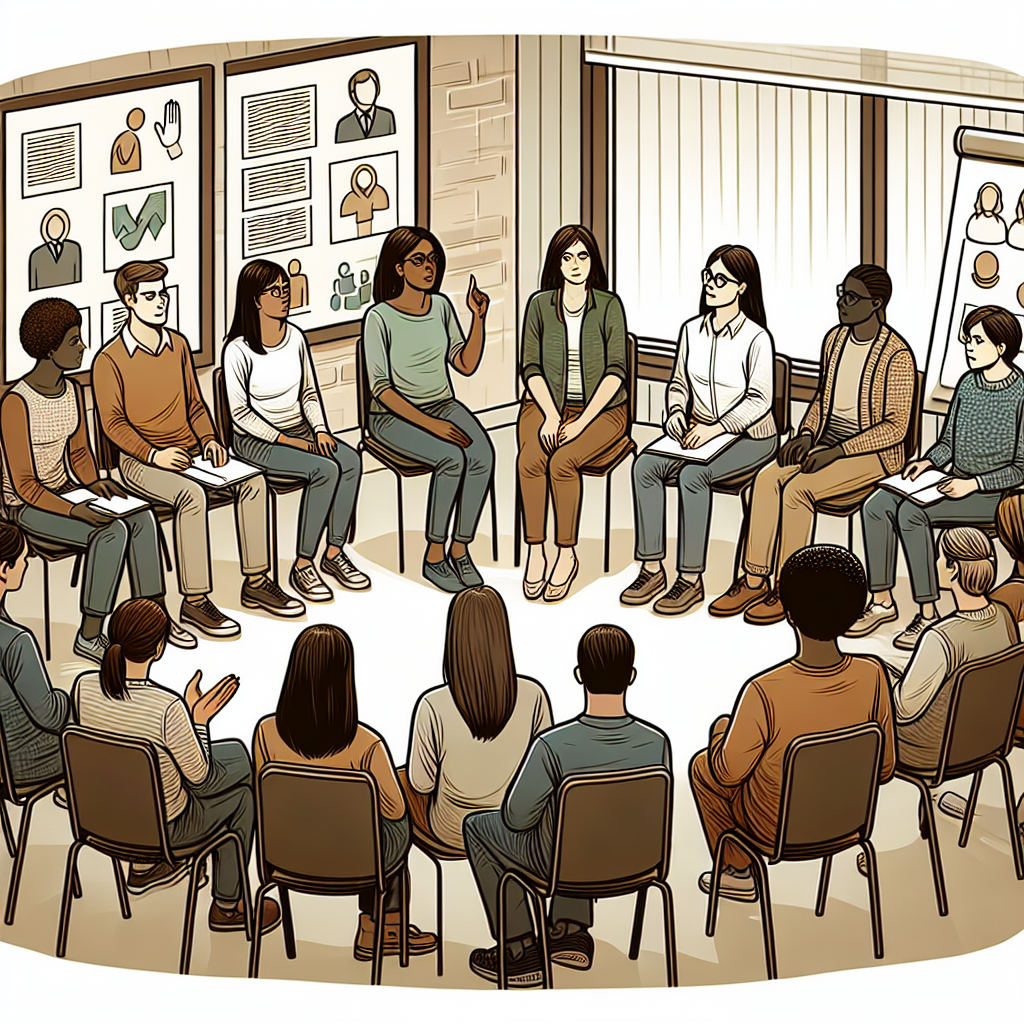
In an increasingly diverse and interconnected world, community workshops play a critical role in spreading knowledge, skills, and awareness. When these workshops are inclusive, they serve as bridges, connecting diverse groups and fostering understanding. Hosting community workshops that are specifically inclusive of Deaf participants represents not only an opportunity but a responsibility to ensure accessibility and representation.
Creating spaces where Deaf individuals can freely engage is essential. These workshops allow participants to share their unique perspectives and experiences, contributing to a richer community tapestry. However, facilitating an inclusive workshop requires thoughtful planning and execution. From ensuring effective communication methods to accommodating cultural nuances, there are numerous components to consider.
In this article, we’ll explore how to host inclusive community workshops for Deaf participants, emphasizing practical strategies, resources, and insights. By doing so, you’ll be better equipped to deliver workshops that are not only informative but also empowering and impactful. Let’s dive in and start building a more inclusive workshop environment.
Understanding the Needs of Deaf Participants
To host effective and inclusive workshops, it’s important first to understand the specific needs of Deaf participants. This understanding is foundational and affects all other decisions you’ll make while organizing your event. Deaf individuals have diverse communication preferences, and acknowledging this diversity is key to creating an engaging experience for all.
Start by recognizing that Deaf individuals might use different languages or communication forms, such as American Sign Language (ASL), British Sign Language (BSL), lip-reading, or written text. Engage with the Deaf community before the event to gather insights on their preferences, ensuring you’re meeting their communication needs.
It is also essential to consider the cultural aspect. Deaf culture is rich and vibrant, with its own customs, norms, and identity traits. This cultural awareness will guide you in understanding how to respectfully interact and create a workshop space that feels welcoming. Involving Deaf individuals in the planning process is one of the most effective ways to gather insights and keep the workshop in line with the participants’ expectations and comfort.
Taking the time to learn about the different needs and cultural aspects of Deaf participants will establish a strong foundation for your workshop. This understanding will not only help identify potential challenges but will also show your commitment to inclusivity and respect.
Planning and Preparation: Setting the Stage
Once you’ve acquired a solid understanding of the needs and cultures of Deaf participants, the next step is thorough planning and preparation. This phase involves arranging the venue, choosing resource persons, and organizing equipment while keeping accessibility in mind.
Selecting an appropriate venue is crucial. It should be easily accessible, well-lit, and equipped with audiovisual technology to facilitate communication. Additionally, the seating arrangement should be conducive to visual communication, ideally in a circular or semicircular formation. This layout ensures everyone can see each other, especially the interpreters and presenters.
Choose presenters and facilitators who either are deaf or have experience working with Deaf individuals. Their familiarity with Deaf culture will lend authenticity to the workshop and resonate well with the participants. Don’t hesitate to implement a buddy system, pairing Deaf participants with hearing allies to foster communication and understanding during the workshops.
Preparing the necessary tools and materials is another critical step. Equip the venue with visual aids like projectors and screens to support the presenters. Have printed copies of presentation materials available and consider distributing electronic versions beforehand for any who might need text-to-speech software.
Every aspect of planning should prioritize inclusivity, ensuring that Deaf participants feel acknowledged, respected, and valued from the moment they step into the workshop.
Effective Communication Strategies
Communication is at the heart of any successful workshop. For an inclusive event, it’s vital to implement effective communication strategies tailored to Deaf participants. The goal is to provide several modes of communication to suit various preferences and to remove barriers that could hinder participation.
Hire certified sign language interpreters who are proficient in the preferred sign language of your participants. Make sure interpreters stand in well-lit areas visible to all, reducing misunderstandings. It’s ideal if interpreters also complement the facilitation by explaining nuances, which are often a part of communication.
Implement real-time captioning, also known as Communication Access Real-Time Translation (CART). This service provides instantaneous captions on a screen, allowing Deaf individuals to follow spoken dialogue. Ensure that captioning equipment is tested in advance and is reliable during the course of the workshop.
Incorporate visual storytelling techniques to enhance understanding. Use slides, videos, and infographics to convey messages that words alone cannot express. By using a combination of these communication methods, you reduce the reliance on spoken words and ensure that all information is delivered in a clear, engaging way to Deaf participants.
These communication strategies need continuous refinement and feedback. Encourage participants to share their experiences and suggest enhancements for future workshops.
Fostering Interactive and Engaging Sessions
A key aspect of successful workshops is interaction. Inviting active participation ensures that attendees are not only absorbing information but also engaging with the content, facilitators, and each other. For Deaf participants, interactive elements must be designed with accessibility in mind.
Consider using technology that Deaf participants can interact with seamlessly. Apps and software like polling tools and collaboration platforms should be accessible, user-friendly, and compliant with standards for Deaf users.
Another effective engagement strategy is to encourage group work and discussions in smaller, easily manageable teams. This not only builds stronger connections among participants but also makes it easier for those who rely on visual communication to engage fully.
Workshops should include hands-on activities where participants can apply what they’ve learned, fostering a deeper appreciation and understanding of the content. Incorporate elements such as role-playing, which allows participants to visualize and practice new skills in a supported environment.
Finally, don’t forget to infuse cultural elements into your activities. Simple gestures, like incorporating Deaf art or inviting Deaf artists to showcase their work, enrich the session, fostering an inclusive atmosphere that celebrates diversity.
Evaluating and Reflecting on the Workshop
Evaluation and reflection are crucial elements of the workshop process. They provide valuable insights into what worked well and what could be improved for future efforts. For workshops involving Deaf participants, evaluation should focus on accessibility, engagement, and the overall inclusiveness of the event.
Create surveys or feedback forms that accommodate Deaf participants, using both written and visual formats. Prompt participants with specific questions about the effectiveness of communication, the adequacy of the venue, and their overall experience. Use clear and direct language to facilitate understanding.
Consider one-on-one feedback sessions for those who prefer not to share their insights publicly. This personalized approach often yields richer, more honest feedback, which is instrumental in enhancing future workshops.
Analyze the feedback to identify patterns and consistent themes. Look for indicators of whether your objectives were met, and focus on participant suggestions for improvement. Use this information to refine strategies, methods, and approaches for upcoming workshops.
Reflect upon your own learning as a facilitator. Evaluate your ability to adapt to participants’ needs and integrate inclusive practices into your teaching. This reflection sets the groundwork for continued personal growth and professional development.
Ensuring Sustainability and Long-term Impact
While conducting a successful inclusive workshop is an achievement, the ultimate goal is sustained engagement and long-term impact. Building upon the relationships and insights derived from your workshops can catalyze lasting social change, particularly within communities that include Deaf individuals.
Establish partnerships with Deaf organizations and advocate for ongoing community involvement. These collaborations offer insights, resources, and a platform for future workshops and initiatives. They also amplify the voices and presence of Deaf individuals within larger community dialogues.
Consider launching ongoing programs or follow-up workshops that delve deeper into specific areas of interest or need identified during the initial session. Continuously updating and diversifying workshop content ensures that repetition leads to mastery, not monotony.
Another strategy to ensure sustainability is to cultivate a community of practice amongst participants. Encourage them to continue sharing experiences, challenges, and best practices through forums, newsletters, or regular meet-ups. This creates a supportive network and an ongoing sense of community beyond the workshop setting.
Ultimately, the goal is to create a ripple effect, where the insights and understanding gained in the workshop extend into participants’ lives. This, in turn, contributes to a broader movement towards inclusivity and accessibility in society at large.
Conclusion
Hosting inclusive community workshops for Deaf participants is a rewarding endeavor. By understanding their unique needs, carefully planning the logistics, employing effective communication strategies, fostering interaction, and evaluating feedback, you can create a successful and inclusive event. Moreover, sustaining the impact of your workshops extends your influence beyond the initial event, encouraging broader social change and inclusivity.
While the journey toward inclusivity can be complex and requires continuous learning and adaptation, the benefits to both Deaf and hearing communities are profound. Through these workshops, we can build environments where everyone feels welcome, engaged, and empowered.
Adopting these practices is not just about compliance with accessibility guidelines but is also an ethical and moral commitment to ensuring equal rights and opportunities for Deaf individuals. As you continue on this path, remember that inclusivity is not a destination, but a constantly evolving journey toward a better and more inclusive society.