
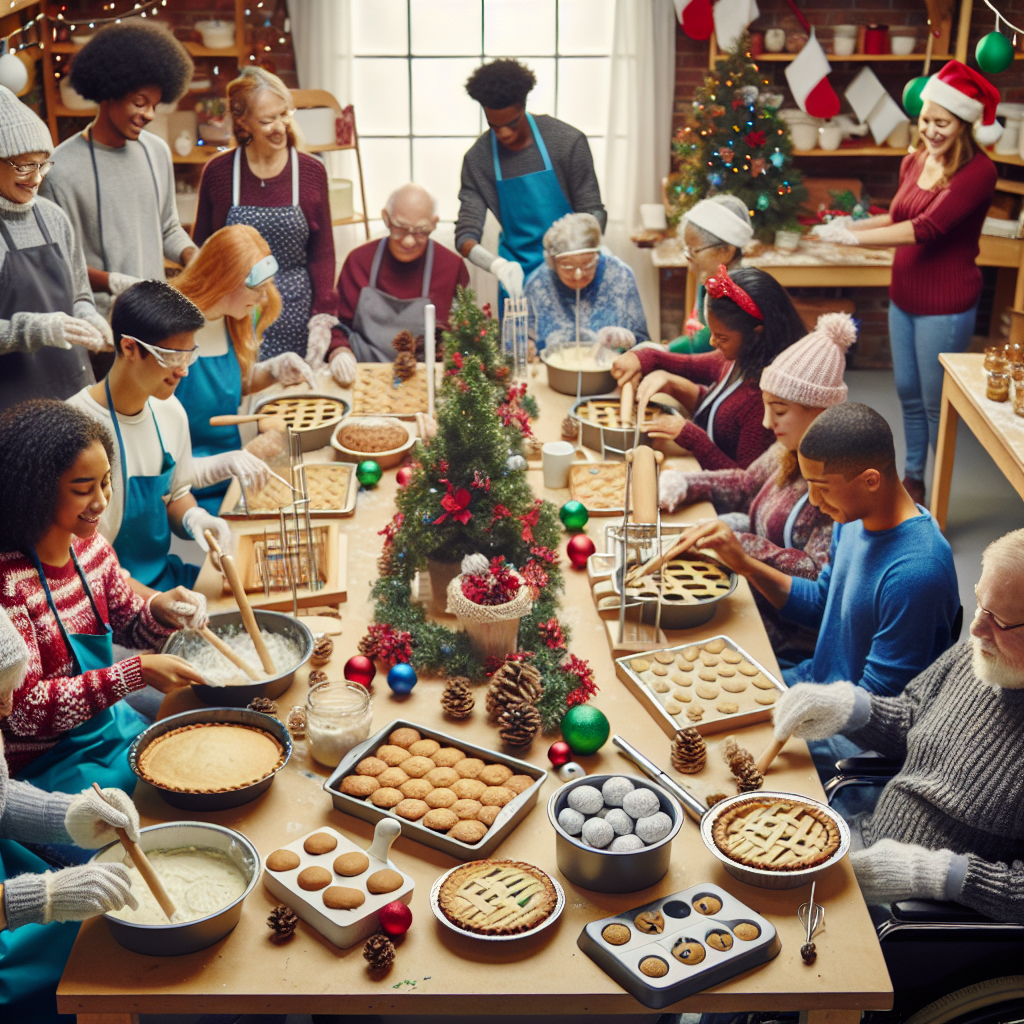
The holiday season is a time for joy, celebration, and togetherness. Yet, for many in the Deaf community, traditional holiday activities can sometimes feel inaccessible. This is particularly true when it comes to cooking and baking, where conventional recipes and instructions often rely heavily on auditory cues. However, with a few thoughtful adaptations, holiday baking can be made accessible and inclusive, allowing everyone to join in on the fun.
This article lays out how to create an accessible holiday baking workshop that embraces visual and tactile techniques. From ingredient preparation to final presentation, we’ll delve into innovative methods enabling Deaf individuals to enjoy the full sensory experience of baking. By focusing on visual and tactile cues, you can create a festive, engaging atmosphere that underscores the joy of inclusion.
Harnessing the full potential of visual and tactile adaptions not only fosters inclusivity but also ignites a sense of community and shared joy. Accessible baking workshops not only promote culinary skills but also instill confidence and independence in participants. Whether you are an educator, a family member, or simply an enthusiast looking to host a workshop, this guide will equip you with the tools and insights needed for a successful, inclusive holiday baking event.
Visual Adaptations: Making Recipes Clearer
Vision plays a crucial role in engaging with the world, and this is no different when it comes to baking. For an accessible holiday baking workshop, visual aids can work wonders. Here are some ways to enhance visual clarity in your recipes:
- Illustrated Recipe Cards: Use large, colorful images to represent each step of the baking process. This helps in providing clear visual guidance, which can replace verbal instructions effectively.
- Video Demonstrations: Create or utilize existing video demonstrations with clear visual cues. Ensure that the videos are well-lit and focus closely on the actions being performed, detailing each step visually.
- Color-Coded Tools: Utilize color-coded measuring cups, spoons, and bowls. Different colors for different measurements or ingredients can simplify the process and minimize confusion.
- Sign Language Interpretations: If possible, include sign language interpretations or captions in any video content to enhance understanding and inclusivity.
Incorporating these visual elements can turn a potentially overwhelming activity into an enjoyable and educational experience. By doing so, you are not only making baking accessible but also leveraging visual comprehension strengths inherent in the Deaf community.
Tactile Techniques: Feeling the Process
Baking is a deeply sensory activity, and the tactile sense—touch—can be an incredibly effective way to make it accessible for Deaf individuals. Here’s how you can embrace tactile methods:
- Textured Ingredients: Introduce textured ingredients like cornmeal, rolled oats, or coarsely ground flour. The distinct textures help participants understand different elements of the recipe by feel.
- Hand-Over-Hand Guidance: When introducing new techniques, such as kneading dough or rolling out pastry, use hand-over-hand guidance. This provides an immediate, tactile way to learn new skills.
- Braille Recipe Cards: For visually impaired individuals who are also Deaf, Braille recipe cards can be a game-changer. This ensures that instructions are accessible in a tactile format they are fluent in.
- Sensory Tools: Use sensory tools, such as silicone baking mats with raised patterns, which can guide the placement of dough or act as a tactile reference for size and shape.
By incorporating these tactile elements, you can ensure that the tactile nature of baking is harnessed to its fullest potential. This not only makes the experience accessible but also deeply enriching, engaging multiple senses that contribute to a fuller, more inclusive baking workshop.
Inclusive Recipe Choices
Not all recipes are created equal when it comes to accessibility. Choosing the right recipes can make a significant difference in how inclusive and enjoyable the baking experience is. Here are a few tips on selecting recipes:
- Simple, Multi-Step Recipes: Choose recipes that are simple yet involve multiple steps, allowing participants to engage in various aspects of the baking process. For instance, cookie decorating, mixing dough, or layering a cake.
- Cultural Variations: Incorporate recipes from different cultures to celebrate diversity. This can be especially meaningful in a setting with a diverse group of participants, emphasizing the universal love for holiday treats.
- Dietary Needs: Be mindful of dietary restrictions and allergies. Offer gluten-free, dairy-free, or nut-free options to ensure everyone can partake safely.
- Hands-On Recipes: Opt for recipes where participants can get hands-on, such as making gingerbread houses or hand-formed cookies. These are not only fun but also allow participants to use their sense of touch to shape and decorate.
Balanced, inclusive recipe choices ensure that everyone has the opportunity to participate meaningfully. These thoughtful selections can turn your workshop into a celebration of inclusivity, where every participant feels valued and engaged.
Utilizing Technology for Assistance
Technology can be a formidable ally in creating an accessible baking environment. Here are some tech tools that can support your efforts:
- Speech-to-Text Apps: Utilize apps that can convert spoken instructions into written text, providing immediate accessibility for Deaf participants.
- Alert Systems: Install vibrating timers or flashing light systems that signal when it’s time to take action, such as checking the oven or switching off a mixer.
- Interactive Tablets: Use tablets with pre-loaded recipes complete with visual and video aids. These tools can be passed around among participants, offering a hands-on digital guide.
- Smart Kitchen Appliances: Explore smart appliances that can be controlled through apps. These can offer visual feedback and alerts, making the kitchen environment more interactive and accessible.
The strategic use of technology can bridge gaps and make the baking experience not just accessible but also cutting-edge and engaging. Leveraging these tools can revolutionize the traditional baking workshop into an inclusive, interactive experience.
Creating an Inclusive Environment
The physical setup and atmosphere of your baking workshop play a crucial role in fostering inclusivity. Here are some suggestions to create an inviting and accessible environment:
- Open, Well-Lit Space: Ensure that your workspace is open and well-lit, which aids in visual engagement and minimizes accidents.
- Seating Arrangement: Arrange seating in a circle or semi-circle to make lip-reading easier and ensure that everyone has a clear line of sight to demonstrations.
- Interpreter or Assistant: If possible, have a sign language interpreter or assistant available to facilitate communication and interpretation.
- Sensory Break Areas: Provide a quiet space where participants can take a sensory break if they feel overwhelmed. This is especially important in a bustling, noisy kitchen environment.
- Personal Touches: Add personal touches such as name tags in Braille or sign language and decorations that reflect the holiday spirit and theme. These gestures can make the environment warm and welcoming.
Creating an inclusive environment goes beyond just tools and recipes—it’s about fostering a holistic space where everyone feels respected and valued. A comfortable, accessible setting can enhance the overall experience, making the workshop a memorable event for all participants.
Conclusion
Hosting an accessible holiday baking workshop is more than just about baking; it’s about creating an inclusive environment where everyone feels welcome and valued. Through thoughtful adaptations that emphasize visual and tactile cues, you can transform traditional baking into an activity that everyone can enjoy, irrespective of their abilities.
From incorporating illustrated recipe cards and Braille instructions to selecting inclusive recipes and leveraging technology, every step toward accessibility makes a significant impact. Such initiatives not only foster a sense of community but also empower Deaf individuals by acknowledging their unique needs and strengths.
Remember, the goal of an accessible baking workshop isn’t perfection but participation. It’s about the laughter, the shared experiences, and the joy of being part of something bigger. Each cookie decorated and each cake baked is a testament to inclusive practices making the world a bit more connected and understanding.
As we embrace the spirit of the holiday season, let’s make a conscious effort to include everyone in our celebrations. Your accessible holiday baking workshop could spark joy, foster new friendships, and perhaps even create lasting traditions within the Deaf community. With a dash of creativity and a generous sprinkle of love, it’s possible to make baking a universally delightful experience.