

International Women’s Day is not just a date to remember; it’s a movement to act upon. In our communities, deaf women often face unique challenges and barriers. However, by recognizing their struggles and celebrating their triumphs, we can work towards a more inclusive and equitable society. Here’s an action plan to support and uplift deaf women in your community.
Celebrating Deaf Women’s Achievements
Inspiration often begins with recognition. Deaf women across various fields have shattered stereotypes and emerged as pioneers. Take, for instance, Dot Miles, a champion of British Sign Language and the founder of BSL poetry, or Paula Garfield, who established Deafinitely Theatre, the first deaf-launched and deaf-led professional theatre company in the UK. Such stories are not just tales of personal triumph but are beacons of inspiration for the entire deaf community.
Education and Career Advancements
Education and career advancement are crucial in empowering deaf women. The National Deaf Center on Postsecondary Outcomes (NDC) highlights the need for collective effort in overcoming systemic barriers in education and employment. Despite higher college completion rates among deaf women compared to deaf men, a significant wage gap persists. Addressing these disparities involves both raising awareness and implementing practical measures within educational and professional settings.
Supporting Deaf Women in Sports and Arts
Deaf women have made remarkable strides in various fields, including sports and the arts. Ashley Fiolek, an accomplished motocross racer, and Evelyn Glennie, a world-renowned percussionist, are prime examples. Supporting such talents involves not just applauding their achievements but also providing platforms where their skills can be nurtured and showcased.
Advocacy and Inclusion
Inclusivity in our communities can be significantly improved through advocacy and support. Samantha Baines, an author and campaigner for Deaf issues, exemplifies how using one’s platform to promote awareness can lead to tangible changes. By supporting and participating in advocacy initiatives, we can contribute to a more inclusive society.
Building Support Networks
Creating and participating in support networks is vital. These networks provide a space for deaf women to share their experiences, learn from each other, and find communal strength. Involvement in such groups offers both emotional support and practical assistance, fostering a sense of belonging and empowerment.
Empowering Deaf Women Leaders
The development of leadership skills among deaf women is crucial for community empowerment. Leaders like Julia Williams-Wallace and Leah Katz-Hernandez have broken through barriers, demonstrating the importance of having deaf women in decision-making roles. Encouraging and supporting deaf women to take up leadership positions can bring about meaningful change.
Accessibility and Accommodations
Ensuring accessibility is key to empowerment. This means not only physical accessibility but also in communication, education, and employment. From providing sign language interpreters to ensuring that technology and information are accessible, these steps are fundamental in creating an inclusive environment.
Education on Deaf Culture and BSL
Awareness and education about deaf culture and British Sign Language (BSL) are essential in fostering understanding and respect. Schools, workplaces, and the wider community can benefit from this knowledge, creating a more inclusive environment for deaf women and the deaf community at large.
Mentoring and Empowerment Programs
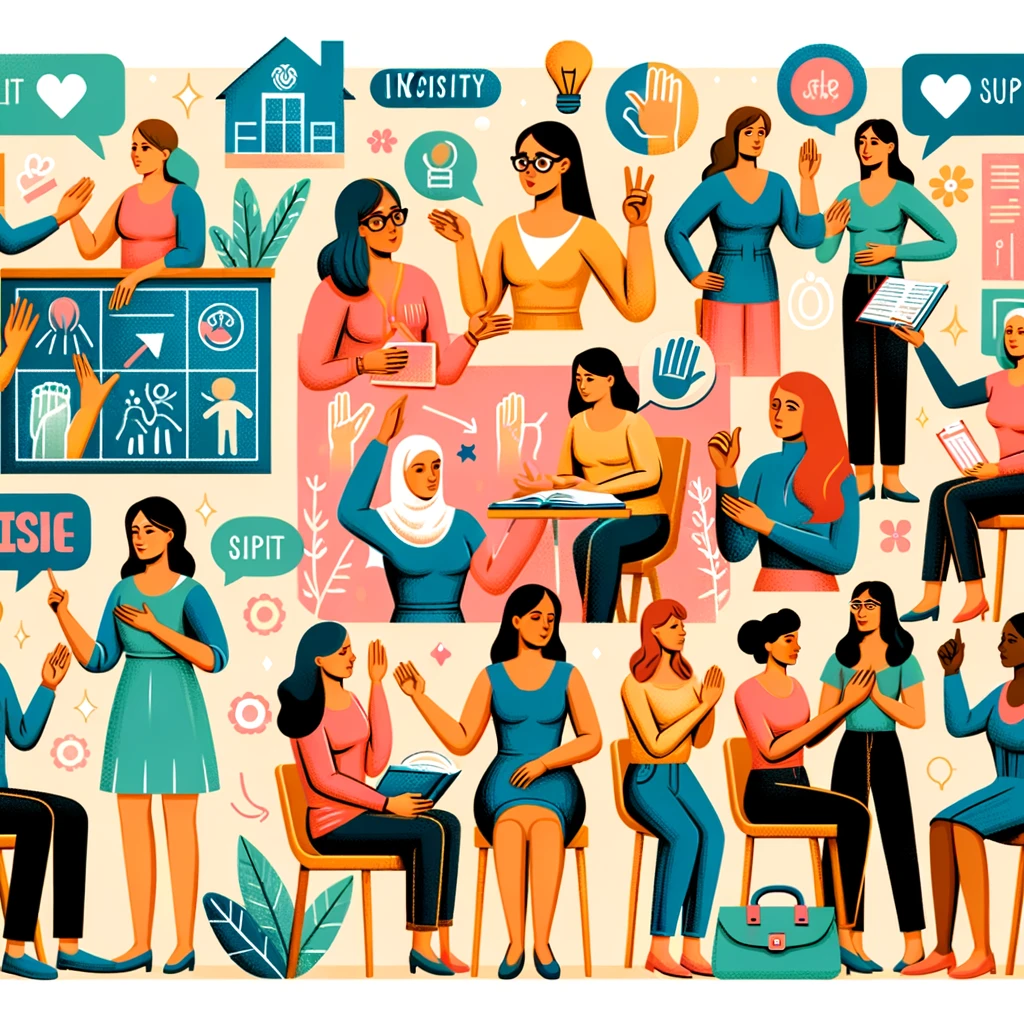
Mentoring programs play a crucial role in the empowerment of deaf women. These programs can connect deaf women with mentors who have navigated similar challenges. By sharing experiences and guidance, mentors can help deaf women build confidence, develop skills, and navigate their personal and professional lives more effectively.
Access to Mental Health Resources
Mental health is a vital aspect of overall well-being, yet often overlooked in the deaf community. Deaf women face unique stressors and may benefit from mental health services that are sensitive to their experiences. Ensuring access to mental health professionals who are proficient in BSL and knowledgeable about deaf culture is essential.
Celebrating Deaf Women in History
Recognizing and celebrating historical figures is a powerful way to inspire current and future generations. Women like Helen Kirkpatrick Watts, a deaf militant suffragette, or Princess Alice of Battenberg, who was born deaf and showed extraordinary bravery during WWII, have left indelible marks on history. Highlighting their stories can foster a sense of pride and belonging among deaf women.
Technology and Innovation for Accessibility
Technology has the potential to break down barriers for the deaf community. Innovations like advanced hearing aids, accessible communication apps, and other assistive technologies can significantly improve the quality of life for deaf women. Supporting and advocating for the development of such technologies is a step towards greater inclusivity.
Creating Safe and Inclusive Spaces
It’s crucial to create environments where deaf women feel safe, respected, and valued. This includes not just physical spaces but also virtual platforms, where deaf women can express themselves freely, engage in discussions, and share their experiences without fear of discrimination or misunderstanding.
Promoting Economic Independence
Economic independence is a significant factor in empowerment. Providing deaf women with opportunities for entrepreneurship, skill development, and job placements can enable them to be financially independent. This also involves advocating for workplace accommodations and fair employment practices.
Inclusive Education and Scholarships
Access to education is fundamental. Ensuring that educational institutions are equipped to accommodate deaf students, and offering scholarships specifically for deaf women can help in breaking down educational barriers. These steps are crucial for providing equal opportunities and paving the way for future success.
Building a Culture of Respect and Understanding
Lastly, fostering a culture of respect and understanding in our communities is vital. This means actively challenging stereotypes, promoting deaf awareness, and encouraging positive representations of deaf women in media and society. By doing so, we can create a more inclusive world where deaf women are not just supported but celebrated for their unique contributions.
In conclusion, supporting and uplifting deaf women in your community involves a multifaceted approach that includes advocacy, accessibility, education, and creating inclusive environments. This International Women’s Day, let us commit to actions that make a real difference in the lives of deaf women, celebrating their achievements, addressing their challenges, and empowering them to reach their full potential.
Sources: