

Ensuring equal access to education for Deaf and Hard of Hearing (DHH) students is pivotal for their academic success and integration into the broader community. Education systems worldwide have made substantial strides in adapting methodologies and resources to meet the unique needs of DHH learners. However, there is still a significant gap in awareness about the most effective strategies for teaching and supporting these students. This article aims to provide a comprehensive overview of the best educational resources, tools, and strategies specifically designed to aid DHH students in achieving their full academic potential.
Understanding the challenges faced by DHH students is the first step in creating an inclusive learning environment. These challenges often include difficulties in accessing spoken information, social interaction barriers, and a lack of tailored educational materials. To address these, educators, parents, and institutions must adopt multifaceted approaches that incorporate a blend of technological tools, professional support services, and accessible teaching methods. By doing so, we can create a more equitable and supportive educational landscape for DHH students.
This article will delve into various aspects of DHH education, including specialized teaching strategies, technological aids, and the importance of fostering a supportive and inclusive classroom atmosphere. Whether you are an educator, a parent, or a fellow student, this guide aims to equip you with the knowledge and resources needed to support DHH students effectively.
Specialized Teaching Strategies
Effective teaching strategies for DHH students often differ from traditional methods used for hearing students. One widely used approach is Total Communication, which incorporates a combination of speech, sign language, finger spelling, lip reading, and the use of residual hearing. This method allows students to maximize their understanding through multiple communication channels.
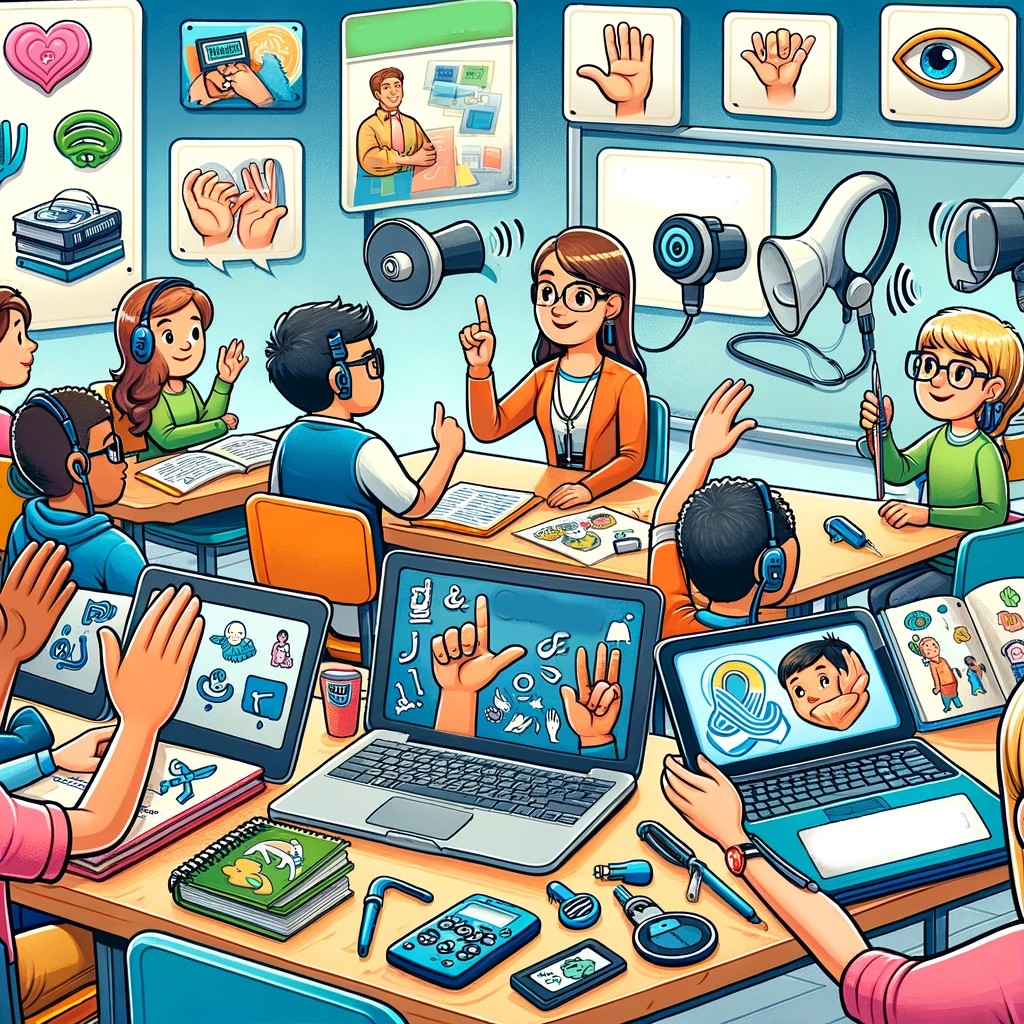
Another essential strategy is the use of visual aids. Visual learning can significantly enhance the comprehension of DHH students. Teachers can incorporate more visual elements like charts, diagrams, videos, and visual stories during their lessons. Furthermore, written instructions can complement verbal explanations to ensure that DHH students do not miss out on any critical information.
The individualized education program (IEP) is another critical tool in the education of DHH students. An IEP provides a customized education plan tailored to the specific needs of each student. These plans often include modifications in teaching methods, classroom settings, and the use of assistive technologies. Regular reviews and updates of IEPs ensure that they continue to meet the evolving needs of the student.
Technological Aids
Technology has revolutionized the way we approach deaf education, providing numerous tools that enhance learning experiences for DHH students. One of the most impactful technologies is the use of hearing aids and cochlear implants. These devices can significantly improve auditory access and are often paired with frequency modulation (FM) systems that help eliminate background noise, ensuring clearer sound transmission directly to the student’s device.
Captioning services and real-time transcription also play a crucial role. Services like CART (Communication Access Real-time Translation) provide real-time transcription of spoken words, which helps students keep up with lectures and classroom discussions. Moreover, captioned educational videos and online content ensure that DHH students have access to the same information as their hearing peers.
Interactive whiteboards and educational apps tailored for DHH students can also enhance the learning experience. These tools often incorporate visual and interactive elements that facilitate better understanding and engagement. For instance, apps that teach sign language or that use visual story-telling techniques can be very effective for younger students.
Support Services
Support services are an indispensable part of educating DHH students. Speech and language therapy helps improve communication skills, while auditory training can enhance listening abilities for those who use hearing aids or cochlear implants. Speech therapy helps students articulate better, while auditory training exercises help them to distinguish sounds more effectively.
In addition to individual therapy, support groups and peer mentoring programs can provide emotional and social support. These programs offer a sense of community and belonging, enabling students to share their experiences and learn from each other. Peer mentoring programs, in particular, can be highly impactful, as they pair DHH students with older, more experienced peers who provide guidance and encouragement.
Professional development for educators and staff is also essential. Training programs that focus on deaf education, sign language, and the use of assistive technologies can equip teachers with the skills needed to effectively support DHH students. Schools should also consider hiring specialized staff, such as sign language interpreters and educational audiologists, to bridge communication gaps and provide additional support.
Creating an Inclusive Classroom Environment
An inclusive classroom environment is crucial for the success of DHH students. Simple adjustments, such as arranging desks in a semicircle or U-shape, can facilitate better visual communication among students. Ensuring that the classroom is well-lit and free from visual obstructions can also enhance learning for DHH students.
Encouraging open communication and fostering an atmosphere of respect and understanding among all students is essential. Teachers should educate their students about deafness and encourage them to learn basic sign language. This not only facilitates better peer interactions but also promotes a sense of community.
Flexible teaching methods that cater to the diverse learning styles of students can also make a significant difference. Combining visual, auditory, and kinesthetic learning activities ensures that all students, including those who are DHH, can engage with the material in a way that suits their preferences and needs. Providing notes and handouts in advance can also be helpful, allowing DHH students to prepare for lessons and participate more actively.
Parental and Community Involvement
The involvement of parents and the broader community is vital in the education of DHH students. Parents play a critical role in advocating for their children’s needs and ensuring that they receive appropriate accommodations and services. Collaboration between parents and educators is essential for the development and implementation of effective IEPs.
Community organizations, such as local deaf associations and advocacy groups, can offer valuable resources and support. These organizations often provide workshops, recreational activities, and social events that help DHH students and their families connect with others in similar situations.
Schools can also partner with community organizations to offer extracurricular activities and after-school programs tailored for DHH students. These programs provide additional opportunities for social interaction and skill development. Engaging the broader community in promoting deaf awareness and inclusivity can lead to a more supportive environment both within and outside the school setting.
Future Directions
The field of deaf education is continually evolving, driven by advancements in technology and a growing understanding of the needs of DHH students. Future directions in deaf education may include the integration of emerging technologies such as virtual reality and artificial intelligence, which have the potential to create highly immersive and interactive learning environments.
Research on bilingual-bicultural education models, where students learn both sign language and written/spoken language, is also promising. These models recognize the value of sign language as a first language for many DHH individuals and support the development of strong linguistic and cognitive skills.
Policy changes and increased funding for deaf education programs are also crucial for ensuring that DHH students receive the resources and support they need. Advocacy efforts by parents, educators, and community organizations can play a significant role in driving these changes.
Conclusion
Providing a high-quality education for Deaf and Hard of Hearing students requires a comprehensive and collaborative approach. By leveraging specialized teaching strategies, technological aids, and support services, educators can create an inclusive and supportive learning environment. Additionally, the involvement of parents, community organizations, and advocacy efforts can help ensure that DHH students receive the resources and opportunities they need to succeed academically and socially.
The journey towards inclusive education for DHH students is ongoing, and continuous improvements and adaptations are necessary to meet their evolving needs. By staying informed about the latest advancements and best practices in deaf education, we can work together to create a more equitable educational landscape for all students.
Ultimately, the goal is to empower DHH students to reach their full potential, equipping them with the skills and confidence to thrive in their academic pursuits and beyond. With the right tools, resources, and support, we can make this vision a reality, fostering a more inclusive and equitable society for all.