
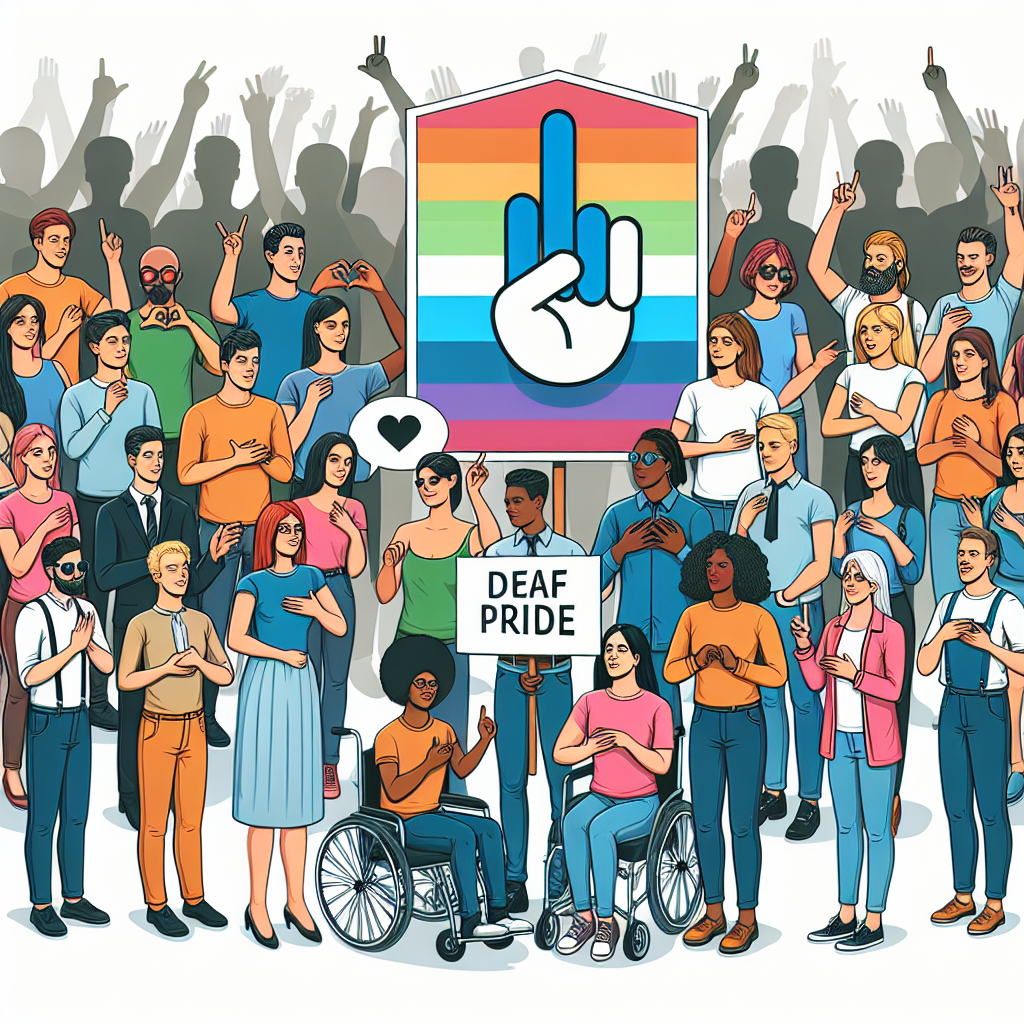
Every year, the month of July is celebrated as Disability Pride Month, a time devoted to recognizing and honoring the diversity within the disability community. This celebration is not restricted to highlighting challenges but also focuses on the unique contributions and rich cultural heritage that individuals with disabilities bring to our society. Among the diverse groups within this community are Deaf individuals. Embracing Deaf identity and challenging the limitations often associated with it play a crucial role in fostering an inclusive society.
Deaf Education and Awareness have evolved significantly over the years, reflecting a shift from viewing deafness as a deficiency to recognizing it as a distinct cultural identity. This cultural perspective is fundamental to understanding the importance of Disability Pride Month. It facilitates a deeper appreciation of the Deaf community’s linguistic and cultural richness, encouraging wider societal inclusivity and support.
Understanding Deaf Identity
Deaf identity is a concept that goes beyond the mere physical condition of hearing loss. It encompasses a cultural and linguistic identity that is shared among Deaf individuals. American Sign Language (ASL) and other sign languages are central to this cultural identity. ASL is not just a mode of communication but a symbol of pride and community for Deaf individuals in the United States.
Understanding Deaf identity requires recognizing the value of Deaf culture and the unique perspectives it offers. Deaf culture is rich with its own traditions, social norms, and shared experiences. This collective identity fosters a strong sense of belonging and empowerment, allowing Deaf individuals to challenge societal limitations and advocate for their rights and recognition.
The Role of Deaf Education
Deaf education plays a pivotal role in shaping the lives of Deaf individuals. Historically, education for Deaf individuals was limited and often focused on oralism, which emphasized lip-reading and speech over sign language. This approach overlooked the cultural and linguistic needs of Deaf students.
Today, Deaf education embraces a bilingual-bicultural (Bi-Bi) approach, which recognizes ASL as the primary language of Deaf students and incorporates it into the curriculum alongside English. This approach not only enhances academic learning but also strengthens the cultural identity and self-esteem of Deaf students. Inclusive education practices, including the use of technology and accommodations, further support Deaf students in achieving their full potential.
Advocacy and Awareness
Advocacy and awareness are crucial components of Disability Pride Month. Raising awareness about Deaf culture and the unique challenges faced by Deaf individuals helps break down barriers and fosters a more inclusive society. Organizations like the National Association of the Deaf (NAD) and the World Federation of the Deaf (WFD) play a vital role in promoting the rights and inclusion of Deaf individuals globally.
Advocacy efforts include promoting accessibility in all aspects of life, such as education, employment, healthcare, and public services. Captioning and sign language interpretation, for instance, are essential accommodations that ensure Deaf individuals have equal access to information and opportunities. By advocating for these changes, we can create a society where Deaf individuals can thrive.
Celebrating Deaf Culture
Disability Pride Month is an excellent opportunity to celebrate Deaf culture and its contributions to society. Events such as Deaf festivals, cultural performances, and educational workshops highlight the richness of Deaf culture and promote a sense of pride among Deaf individuals. These celebrations provide a platform for Deaf artists, performers, and advocates to showcase their talents and share their stories with the wider community.
Celebrating Deaf culture also involves recognizing and addressing the systemic barriers that Deaf individuals face. This includes advocating for policy changes that promote accessibility and inclusion, as well as challenging societal attitudes and misconceptions about deafness. By celebrating Deaf culture and advocating for change, we can create a more inclusive and equitable society for all.
Challenging Limitations
Challenging limitations is at the heart of Disability Pride Month. For Deaf individuals, this means pushing back against the societal and systemic barriers that limit their opportunities and potential. It also involves advocating for policies and practices that promote accessibility and inclusion in all aspects of life.
One way to challenge limitations is through education and awareness. By educating the public about Deaf culture and the unique needs of Deaf individuals, we can dispel myths and misconceptions and promote understanding and acceptance. This includes advocating for inclusive education practices, accessible communication methods, and equal employment opportunities for Deaf individuals.
Challenging limitations also involves amplifying the voices of Deaf individuals and ensuring they are represented in all areas of society. This includes promoting Deaf leadership and representation in decision-making processes, as well as supporting Deaf entrepreneurs and innovators. By challenging limitations, we can create a society where Deaf individuals can fully participate and thrive.
Conclusion
Disability Pride Month is a time to celebrate and honor the diversity within the disability community, including the Deaf community. Embracing Deaf identity, challenging limitations, and celebrating diversity are essential to creating a more inclusive and equitable society. By recognizing the cultural and linguistic richness of Deaf culture, advocating for accessibility and inclusion, and amplifying the voices of Deaf individuals, we can foster a society that values and celebrates diversity in all its forms.
As we celebrate Disability Pride Month, let us commit to learning more about Deaf culture, advocating for the rights and inclusion of Deaf individuals, and challenging the limitations that prevent them from fully participating in society. Together, we can create a world where all individuals, regardless of their abilities, can thrive and contribute to our shared future.