
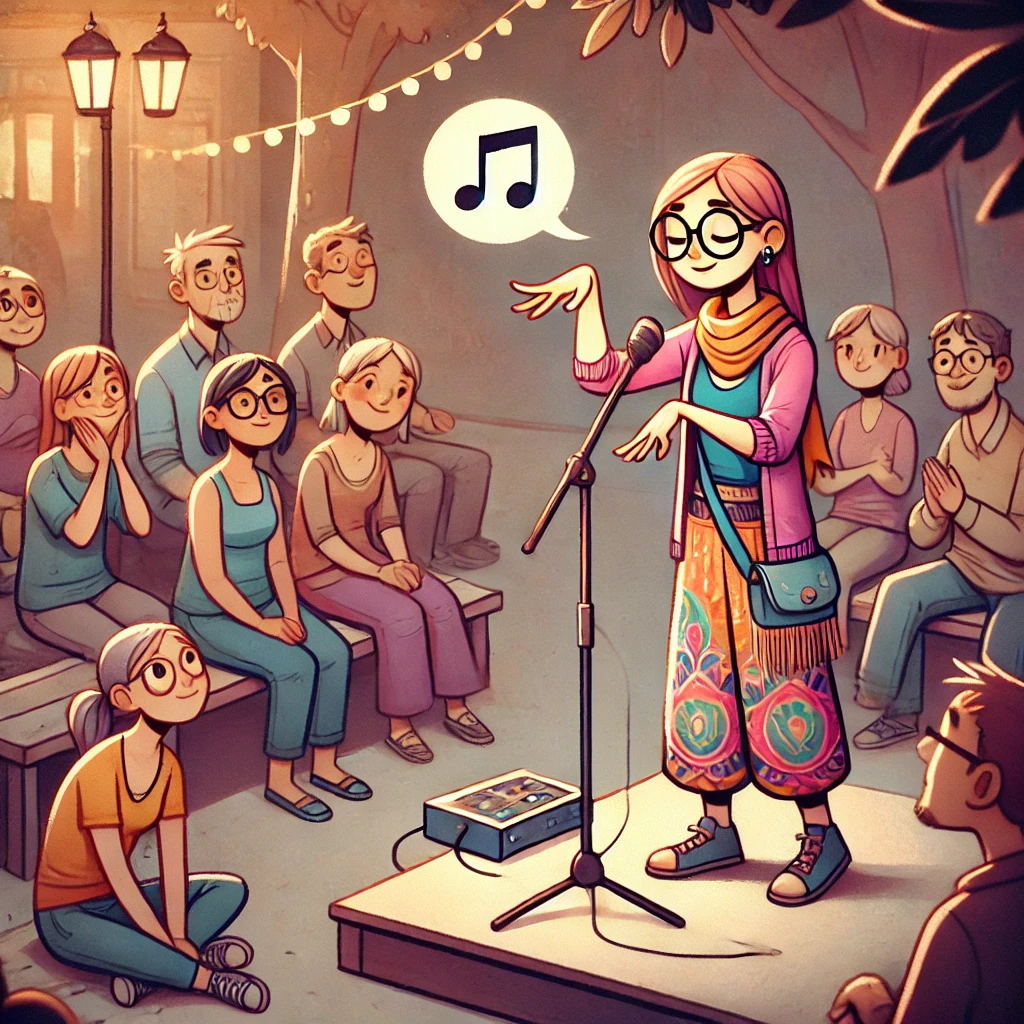
Deaf Sign Language Poetry is a unique and profound form of artistic expression that has been gaining recognition and appreciation both within the Deaf community and beyond. It combines the depth of sign language with the artistry of poetry to create profound works that articulate the experiences, emotions, and cultural identity of Deaf individuals. Unlike written or spoken poetry, Deaf poetry uses the visual-spatial modality of sign language, making it a vibrant, dynamic, and entirely separate art form. What makes Deaf poetry deeply compelling is its ability to convey meaning through visual elements, gestures, facial expressions, and the movement of the body, evoking powerful emotional responses from those who experience it.
Despite the often limited exposure to this medium in mainstream education and media, Deaf Sign Language Poetry has a rich history and continues to evolve as a significant aspect of Deaf culture. Poets in the Deaf community harness the specificity and flexibility of sign language to craft evocative and transformative pieces that address personal narratives, societal issues, and cultural reflections. As we delve into the world of Deaf poetry, it’s essential to understand not only its artistic value but also its role in promoting Deaf awareness and fostering a deeper appreciation for the nuances of Deaf culture and identity.
The Unique Language of Sign Poetry
At the heart of Deaf Sign Language Poetry is the use of sign language, a complete and expressive language with its own grammar and syntactic rules. Unlike spoken languages that rely on linear sequencing of sounds, sign languages utilize spatial-visual modalities, incorporating hand shapes, spatial location, and movements tailored to convey intricate meaning. Each performance of sign poetry is a masterstroke of visual literacy, requiring skillful use of timing, rhythm, and space.
Sign language is not merely a translation of spoken words into gestures but a rich language on its own. It allows poets to manipulate linguistic elements creatively, crafting visual metaphors, allusions, and repetitions in ways written or spoken words cannot. This vivacity and fluidity enable sign poets to convey themes of connection, identity, resistance, and celebration effectively. Whether through detailed finger-spelling sequences or holistic, fluid body movements, the expressive potential of sign language in poetry is boundless.
Moreover, Deaf poets often draw on experiences and themes unique to the Deaf community, including communication barriers, advocacy for Deaf rights, and the beauty of Deaf culture itself. These works serve not only as artistic achievements but also as potent tools for education and social change, shedding light on the lived experiences of Deaf individuals and advocating for greater societal inclusion.
Emotional Resonance in Deaf Poetry
One of the most compelling aspects of Deaf Sign Language Poetry is its profound emotional impact. The use of visual language engages the audience on a multi-sensory level, evoking emotions through carefully crafted visual elements. The clarity of expression and the rawness with which feelings are conveyed in sign poetry can bring stories of joy, sorrow, struggle, and triumph to life in compelling ways.
This emotional resonance is further amplified by the intimate connection between the poet and the audience. Deaf poetry performances are often highly interactive, with audiences becoming an essential part of the poetic experience. The significance of eye contact, the intensity of physical movements, and the expressive nuances of hand shapes and facial expressions draw audiences into the emotive world of the poet, making each performance a shared, lived experience.
Additionally, the depth of emotional connection in Deaf poetry can foster a sense of solidarity and community among Deaf individuals. By articulating collective experiences and struggles, sign poets create works that resonate deeply with their audiences, offering validation, encouragement, and a shared space for reflection and healing.
Deaf Poetry as a Form of Resistance and Advocacy
Deaf Sign Language Poetry is not only a means of artistic expression but also a potent form of resistance and advocacy. Historically, the Deaf community has faced significant marginalization and obstacles, from limited access to education and employment opportunities to societal stigmas and pervasive audism. Through the medium of poetry, Deaf poets have found a powerful avenue to challenge these injustices and demand recognition and respect for Deaf culture and rights.
Sign language poetry provides a platform to critique oppressive systems and advocate for change. Poets often address themes of resilience, defiance, and the fight for equality, highlighting both personal and collective experiences of injustice. These works serve as a call to action, urging audiences to confront entrenched biases, re-evaluate societal norms, and support the fight for equal rights and accessibility.
Beyond advocating for specific social and political changes, Deaf poetry also serves to affirm and celebrate Deaf identity and culture. By emphasizing the richness and value of sign language and Deaf experiences, poets contribute to a broader movement of cultural pride and empowerment within the Deaf community. This celebration of identity is crucial for fostering a positive self-concept and resisting societal pressures to conform to hearing norms.
Educational Impact of Deaf Sign Language Poetry
The educational value of Deaf Sign Language Poetry cannot be overstated. Incorporating sign poetry into educational curricula offers significant benefits, enriching both the learning experiences of Deaf students and the understanding of hearing students. For Deaf students, exposure to sign poetry can provide vital opportunities for language development, cultural affirmation, and creative expression. It allows them to see their language and experiences reflected in artistic forms, fostering a sense of pride and belonging.
For hearing students, learning about and engaging with Deaf poetry can expand their awareness and appreciation of Deaf culture and sign language. It can also challenge preconceived notions and stereotypes, promoting a more inclusive and empathetic mindset. By experiencing the emotive power and artistic depth of sign poetry, hearing students gain invaluable insights into the intricacies of non-verbal communication and the lived experiences of Deaf individuals.
Educators and institutions that integrate Deaf poetry into their programs can thus play a pivotal role in promoting Deaf awareness and cultural understanding. These efforts contribute to building more inclusive and supportive educational environments where diversity is celebrated, and all students can thrive.
Prominent Deaf Poets and Their Contributions
Over the years, many talented Deaf poets have emerged, leaving a lasting impact on both the Deaf and hearing communities through their powerful works. Some of the most notable include Clayton Valli, Ella Mae Lentz, and Patrick Graybill, each of whom has made significant contributions to the field of Deaf poetry.
Clayton Valli, often regarded as a pioneer in Deaf poetry, is known for his innovative and evocative use of American Sign Language (ASL) in his works. His poetry, including pieces like “Dandelions” and “Snowflake,” incorporates rich linguistic elements and visual metaphors, exploring themes of nature, identity, and resilience.
Ella Mae Lentz is another influential figure whose works have profoundly influenced the landscape of Deaf poetry. Her poetry integrates personal experiences, cultural reflections, and social commentary, delivering powerful messages about Deaf pride and advocacy. Lentz’s contributions extend beyond her own poetry, as she has also played a key role in promoting ASL literature and fostering a supportive environment for Deaf artists.
Patrick Graybill’s works are celebrated for their emotional depth and narrative strength. He has been instrumental in bringing Deaf poetry to wider audiences, through both his performances and his efforts to mentor and support upcoming Deaf poets. Graybill’s poetry often delves into themes of personal struggle and triumph, offering poignant insights into the Deaf experience.
These poets, among others, have laid the groundwork for the continued evolution and appreciation of Deaf Sign Language Poetry. Their contributions have not only enriched the artistic landscape but have also played a crucial role in advancing Deaf rights and cultural recognition.
Embracing and Celebrating Deaf Poetry
As we embrace and celebrate Deaf Sign Language Poetry, it is important to recognize the multifaceted impact it has on individuals and communities. For Deaf individuals, this form of poetry provides a vital outlet for expression, reflection, and empowerment. It affirms the value of their language and culture, offering a platform to share their stories, advocate for change, and celebrate their identity.
For the broader society, Deaf poetry serves as a bridge to greater understanding and empathy. It challenges us to re-evaluate our perceptions and biases, fostering a more inclusive and accepting world. By engaging with Deaf poetry, hearing individuals can gain invaluable insights into the richness and complexity of Deaf culture, and the profound ways in which language and identity are intertwined.
Supporting and promoting Deaf Sign Language Poetry can take many forms, from attending performances and sharing works online to advocating for greater representation of Deaf artists in mainstream media and educational curricula. By taking these steps, we can help ensure that the voices of Deaf poets are heard, appreciated, and respected.
In conclusion, Deaf Sign Language Poetry is a powerful and emotive art form that holds immense value for both the Deaf community and society at large. It offers a unique and deeply moving means of expression, education, and advocacy, shedding light on the diverse and vibrant experiences of Deaf individuals. As we continue to explore and celebrate this beautiful form of poetry, we contribute to a world where Deaf culture is understood, appreciated, and cherished.