
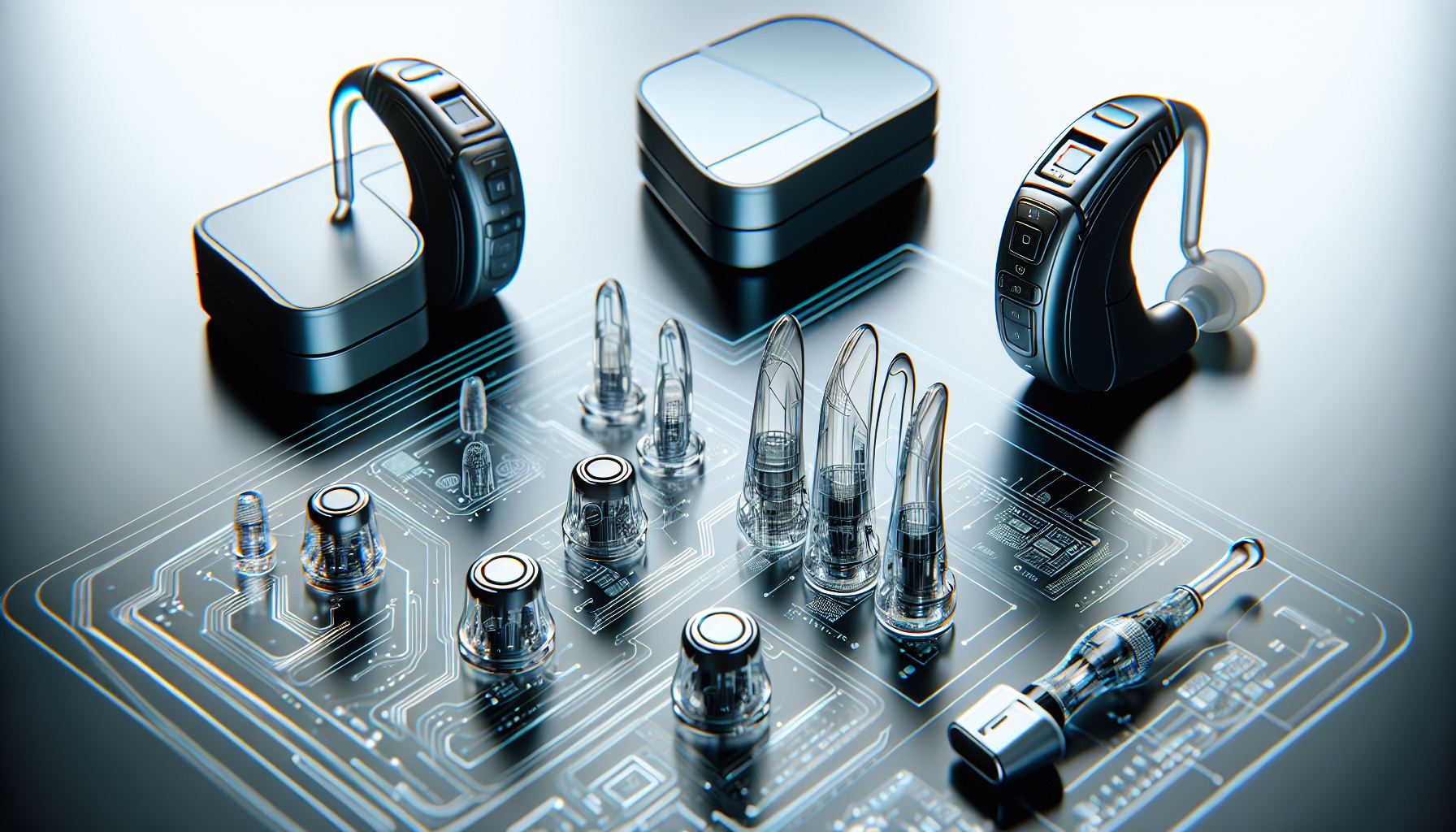
Choosing the best hearing aids for old people in 2025 starts with understanding that “best” does not mean the most expensive device or the smallest shell. It means the hearing aid that matches an older adult’s hearing loss, hand dexterity, vision, memory, lifestyle, and budget. In audiology clinics, I have seen excellent outcomes with premium devices and with modestly priced models, but only when the fitting, follow-up care, and daily usability were right.
Hearing aids are small medical devices that amplify and process sound for people with hearing loss, most often age-related sensorineural hearing loss, also called presbycusis. This type of hearing loss usually affects high frequencies first, making speech sound muffled, especially in restaurants, family gatherings, worship services, and while watching television. For older adults, untreated hearing loss matters because it reduces communication, increases listening fatigue, and can contribute to social withdrawal. Research published over the last several years has also strengthened the connection between hearing intervention, quality of life, and better day-to-day functioning.
The 2025 market gives seniors more options than ever. Prescription hearing aids from major brands such as Phonak, Oticon, ReSound, Signia, Starkey, Widex, and Unitron offer advanced speech processing, directional microphones, rechargeable batteries, smartphone apps, tele-audiology, and Bluetooth streaming. At the same time, over-the-counter devices have expanded access for adults with perceived mild to moderate hearing loss. That wider choice is helpful, but it also makes comparison harder. Seniors and caregivers often ask the same questions: Which style is easiest to handle? Are rechargeable models better? Which brands work best in noise? Is a cheaper device good enough? This guide answers those questions directly and serves as a general hub for the hearing aids category in 2025.
When evaluating hearing aids for older adults, I focus on five factors first: speech clarity, comfort, ease of use, service support, and total cost over time. Features like AI sound classification and fall detection can be valuable, but they are secondary if the wearer cannot insert the devices correctly or hear speech comfortably. The strongest results usually come from pairing realistic feature choices with proper real-ear measurement, a verified fitting method recommended by audiology best practice. That practical approach is what separates a device that ends up in a drawer from one that gets worn all day.
What Makes a Hearing Aid the Best Choice for Seniors
The best hearing aids for seniors are designed around real daily limitations, not spec sheets alone. Older adults often deal with arthritis, tremor, reduced fingertip sensation, visual impairment, or mild cognitive decline. Those factors affect whether someone can change tiny batteries, clean wax guards, navigate app menus, or distinguish left from right. For that reason, behind-the-ear rechargeable models with custom domes or earmolds are often the most practical starting point. They are easier to grasp, harder to lose, and usually provide stronger amplification than tiny invisible devices.
Speech understanding should be the top performance goal. Many older people can hear sound but struggle to understand words, particularly consonants like s, f, t, and th. Good hearing aids improve the signal-to-noise ratio through directional microphones, impulse noise management, feedback suppression, and fast environmental classification. Premium technology tiers typically perform better in dynamic noise, but the difference is most noticeable for active seniors who dine out, attend meetings, or spend time in groups. For a home-centered listener, a mid-level device may deliver nearly the same real-world benefit.
Service is just as important as hardware. Hearing aids require programming, counseling, follow-up adjustments, earwax management, and periodic hearing checks. In practice, seniors do better when they have local support or reliable remote care. A device with excellent lab performance can still fail if the wearer has no one to call when the charger stops working or the sound becomes weak. That is why bundled professional care often deserves serious consideration, even if the upfront price is higher than direct-to-consumer alternatives.
Best Hearing Aid Types and Features for Older Adults in 2025
For most seniors, receiver-in-canal and mini behind-the-ear styles remain the best combination of comfort, power, and usability. These devices place the main electronics behind the ear and route sound into the ear canal through a thin wire or tube. They are easier to insert than very small custom devices and can support open fittings for mild loss or custom molds for more severe loss. In-the-ear models can also be a strong option for people who dislike anything behind the ear, but they may be harder to manage if the wearer has dexterity issues.
Rechargeable hearing aids have become the default recommendation in 2025. Modern lithium-ion systems eliminate the frustration of handling size 10, 312, or 13 disposable batteries. Most provide a full day of use, commonly 18 to 24 hours depending on streaming time, and many chargers offer simple drop-in docking. For older adults with memory concerns, charging overnight is often easier than remembering battery orientation and replacement schedules. Disposable batteries still make sense for travelers, users with unstable electrical access, or people who wear hearing aids exceptionally long hours.
Bluetooth has improved, but its value depends on the user. Seniors who take phone calls, watch tablets, or use captioned apps may benefit significantly from direct streaming. Others will never open a companion app. I usually advise families not to overpay for advanced connectivity unless the wearer will truly use it. More important are manual controls, strong automatic programs, telecoil support where needed, and accessories such as TV streamers or remote microphones. A simple remote microphone clipped onto a conversation partner often improves one-on-one communication more than expensive algorithm upgrades.
| Need | Best option in 2025 | Why it helps older adults |
|---|---|---|
| Easy handling | Rechargeable behind-the-ear or receiver-in-canal | Larger size, no tiny batteries, easier insertion and removal |
| Better hearing in noise | Mid-to-premium directional systems with remote microphone option | Improves speech focus in restaurants, meetings, and family gatherings |
| Severe hearing loss | Power behind-the-ear with custom earmold | Provides more output, better retention, and reduced feedback risk |
| Minimal app dependence | Strong automatic program with onboard buttons | Reduces complexity for users who do not want smartphones |
| TV listening | Hearing aid plus dedicated TV streamer | Clearer speech without raising room volume for everyone else |
Top Hearing Aid Brands and Models Seniors Should Consider
Phonak remains one of the safest recommendations for older adults because of its strong speech performance, broad fitting range, and practical accessories. The current Lumity and Infinio families are widely praised for speech-in-noise handling, and Phonak’s Roger remote microphone ecosystem is still one of the most effective solutions for difficult listening environments. For seniors with asymmetric hearing loss or single-sided deafness, Phonak’s CROS and BiCROS systems are particularly mature. If a patient tells me they want dependable automatic behavior and strong clinic support, Phonak is commonly on the shortlist.
Oticon is another leading option, especially for wearers who prefer a natural, open sound rather than aggressive foreground-only processing. Oticon’s More and Intent platforms emphasize access to a broad sound scene while still supporting speech understanding. Many older adults describe Oticon fittings as less tiring once properly adjusted. ReSound also deserves attention for comfort, connectivity, and solid sound quality, particularly for iPhone users and for people who want practical remote fine-tuning. Signia often stands out for speech enhancement and for its portable charging cases, while Starkey is notable for wellness features, including fall alerts and activity tracking on selected models.
Widex continues to appeal to users who are sensitive to sound quality and music reproduction. Its processing is often described as smooth and less artificial, though personal preference matters. Unitron can be a value-oriented prescription choice because it shares core technology heritage with Phonak but is sometimes priced more accessibly depending on the clinic model. For seniors seeking lower-cost access, reputable over-the-counter brands and self-fitting devices can help in mild to moderate cases, but they are not substitutes for a proper audiologic evaluation when hearing loss appears significant, sudden, or medically complex.
How to Choose Based on Hearing Loss, Lifestyle, and Budget
Start with the hearing loss itself. Mild loss usually allows open-fit devices that feel less occluding and preserve natural low-frequency hearing. Moderate to moderately severe loss may need more closed domes or custom molds for stable gain. Severe loss often requires power receivers or full power behind-the-ear instruments. The degree of hearing loss also affects speech expectations. Hearing aids amplify sound, but they do not restore normal hearing, especially when word recognition scores are already reduced. Setting that expectation early prevents disappointment and improves long-term adoption.
Lifestyle is the second filter. A senior who mostly speaks at home, attends a weekly service, and watches television has different needs from someone who volunteers, plays cards, travels, and goes to busy restaurants. Active listeners benefit more from advanced directional systems, wind-noise control, and accessory microphones. Home-focused listeners may do very well with simpler devices if they include easy volume control and a TV accessory. In my experience, asking where communication breaks down most often is more useful than asking which brand someone wants.
Budget should include more than sticker price. Prescription hearing aids commonly range from about $2,000 to $7,000 per pair depending on technology level, service model, and region. OTC devices may cost several hundred to around $2,000. But the true cost includes follow-up visits, charger replacement, earmolds, wax filters, loss-and-damage coverage, and future reprogramming. Medicare still does not cover most hearing aids under Original Medicare, though some Medicare Advantage plans offer partial benefits. Veterans may qualify for hearing aids through the VA, and some nonprofit or state programs provide assistance. For many older adults, the best value is not the cheapest device but the one they will reliably wear for five years.
Common Mistakes Seniors and Caregivers Should Avoid
The biggest mistake is buying a device before confirming the type and degree of hearing loss. Not every hearing problem is routine age-related loss. Earwax impaction, middle ear disease, sudden sensorineural loss, auditory neuropathy, and medication-related issues require medical or specialist evaluation. Any sudden drop in hearing, one-sided loss, ear pain, drainage, or asymmetric tinnitus should be assessed promptly by an audiologist or ENT. Waiting too long can reduce treatment options.
Another common mistake is choosing the smallest hearing aid for cosmetic reasons. Tiny completely-in-canal devices can be appealing, but they are often harder to insert, easier to drop, and less suitable for severe high-frequency loss or poor dexterity. Seniors frequently succeed with slightly larger devices because they can manage them independently. Independence is more important than invisibility. A hearing aid only works when it is actually worn.
Families also underestimate the adjustment period. New users need time to adapt to amplified environmental sounds, their own voice, and the physical feel of the devices. Follow-up programming is normal, not a sign of failure. I tell patients to expect a transition measured in weeks, sometimes months, especially if hearing loss went untreated for years. Daily use, realistic goals, and communication strategies such as facing the speaker and reducing background noise make an enormous difference.
Buying, Fitting, and Long-Term Care in 2025
The best path is a hearing evaluation, a discussion of listening goals, and a verified fitting using real-ear measurements. Real-ear verification measures the actual sound delivered in the ear canal and compares it with prescriptive targets such as NAL-NL2. This is the clinical standard for accuracy. Without it, the hearing aid may be too soft, too loud, or poorly balanced across frequencies. Seniors who receive verified fittings usually report better comfort and speech clarity than those fitted by first guess or software defaults alone.
After fitting, long-term success depends on maintenance. Hearing aids need regular cleaning because wax and moisture are the main causes of weak output and receiver failure. Rechargeable contacts should be kept dry and free of debris. Domes and wax guards should be changed on schedule, and earmolds should be cleaned routinely. A six-month to annual check is reasonable for many older adults, though heavy wax producers may need more frequent visits. Caregivers should learn simple troubleshooting: inspect the receiver opening, confirm charging status, and test the device with a listening stethoscope if available.
The best hearing aids for old people in 2025 are the ones that support clear conversation, all-day comfort, and consistent independent use. For most seniors, that points toward rechargeable behind-the-ear or receiver-in-canal devices from established brands, fitted by a qualified professional and matched to actual listening needs. Premium features are worthwhile for active users in difficult sound environments, but ease of handling and dependable service matter just as much. If hearing loss is mild and budget is tight, carefully selected over-the-counter options can help, but they should not replace medical evaluation when symptoms are unusual.
Use this page as your starting point for the broader Hearing Aids topic, then compare style guides, brand reviews, OTC versus prescription options, and care advice in related articles. The right next step is simple: schedule a hearing test, list the situations where hearing is hardest, and choose a device that will be worn every day.
Frequently Asked Questions
What makes a hearing aid the best choice for an older adult in 2025?
The best hearing aid for an older adult in 2025 is the one that fits the person, not the one with the highest price tag or the longest feature list. Hearing aids are small medical devices, so success depends on much more than brand or style. A good match starts with the type and degree of hearing loss, but it should also account for hand dexterity, eyesight, memory, comfort with technology, lifestyle, and budget. For example, someone with arthritis may do better with a larger rechargeable model that is easier to handle, while someone with mild hearing loss and strong family support may be perfectly happy with a simpler device that focuses on speech clarity.
In real-world use, older adults often do best when the device is easy to insert, easy to charge, easy to clean, and easy to adjust. Features such as automatic sound processing, feedback management, directional microphones, and rechargeable batteries can make daily use much simpler. On the other hand, very tiny devices can be harder to manage for people with reduced finger strength or poor vision. That is why “best” often means practical, reliable, and comfortable rather than invisible or premium. The strongest outcomes usually happen when the hearing aid is professionally fitted, fine-tuned over time, and supported by follow-up care that helps the user adapt to everyday listening situations.
Are expensive hearing aids always better for seniors?
No. More expensive hearing aids are not automatically better for every senior. Higher-priced devices often include advanced features such as improved background noise reduction, more precise speech enhancement, additional listening programs, smartphone controls, and better performance in difficult environments like restaurants or group conversations. Those features can be valuable, especially for active older adults who spend time in noisy social settings. However, if someone mainly listens in quieter environments at home, watches television, talks with family, and wants a straightforward device, a mid-range or modestly priced model may provide excellent benefit.
The quality of the fitting and follow-up care often matters as much as, or more than, the technology level itself. A well-programmed hearing aid with proper counseling can outperform an expensive device that is poorly fitted or rarely adjusted. Older adults also need to be realistic about usability. If a premium model has many controls but the wearer finds them confusing, those extra features may not improve everyday hearing. It is usually smarter to invest in a device that the person will wear consistently and manage comfortably. In 2025, the best value often comes from balancing sound quality, ease of use, service, warranty, and ongoing support rather than choosing the most expensive option available.
Which hearing aid features are most important for elderly users?
The most important features for elderly users are usually the ones that make hearing aids easier to live with every day. Rechargeable batteries are high on the list because they reduce the frustration of handling tiny disposable batteries. This can be especially helpful for people with arthritis, tremor, reduced sensation in the fingertips, or vision changes. Automatic volume and environment adjustment are also valuable because they reduce the need to press buttons or switch programs manually. Devices that can recognize quiet rooms, outdoor settings, and noisy conversations can make listening smoother and less tiring.
Speech clarity features are another priority. Directional microphones help focus on voices in front of the listener, while noise reduction can make crowded places more manageable. Feedback cancellation is important for preventing whistling, especially for users who wear glasses, masks, or hats. For some seniors, telecoil or Bluetooth connectivity can improve phone calls and television listening, though these features are only helpful if the person is willing and able to use them. Physical design also matters. Larger behind-the-ear styles are often easier to insert and clean than tiny in-the-ear models. In many cases, the best feature is not the most advanced one but the one that supports independence, comfort, and regular daily wear.
How do you choose a hearing aid for an older person with memory, vision, or dexterity challenges?
When an older person has memory, vision, or hand dexterity challenges, simplicity becomes critical. The ideal hearing aid should be easy to identify, easy to place correctly in the ear, and easy to maintain with as few daily steps as possible. Rechargeable models are often a strong choice because they eliminate the need to remember battery changes and reduce fine motor demands. A simple charging dock, clear left-right markings, larger controls, and automatic settings can make the device much more manageable. If vision is limited, tiny shells and very small battery doors may create more stress than benefit.
Caregiver involvement can also be an important part of choosing the right hearing aid. Family members or care staff may need to help with charging, cleaning, insertion, and checking whether the aids are working properly. In these situations, devices with easy maintenance routines and strong clinic support are often better than highly customized options that require more troubleshooting. It is also wise to think about realistic wear time. A hearing aid that is slightly larger but easier to use will usually lead to better long-term results than a nearly invisible device that is constantly misplaced or left in a drawer. For older adults with cognitive concerns, consistency, comfort, and a simple routine often matter more than advanced customization.
Why are professional fitting and follow-up care so important when buying hearing aids for seniors?
Professional fitting and follow-up care are essential because hearing aids are not one-size-fits-all amplifiers. They are medical devices that need to be matched to an individual hearing profile and adjusted for comfort, clarity, and daily function. Even the best hearing aid can disappoint if it is programmed incorrectly or if the wearer is not taught how to use it properly. Older adults may need counseling on realistic expectations, communication strategies, cleaning routines, insertion techniques, and the adjustment period that comes with amplified sound. Without that support, many users assume the device is not working when it simply needs fine-tuning or more gradual adaptation.
Follow-up care is especially important because hearing aid success usually develops over time. Early visits allow the clinician to adjust volume, speech settings, physical fit, and feedback issues based on real-world experience. Seniors may return with concerns about television volume, background noise, discomfort, or difficulty understanding soft voices, and these issues can often be improved with targeted changes. Ongoing care also helps catch earwax problems, monitor changes in hearing, and ensure the devices continue to meet the person’s needs. In 2025, the strongest hearing aid outcomes for older adults still come from the combination of the right device, the right fitting, and the right support after purchase.