
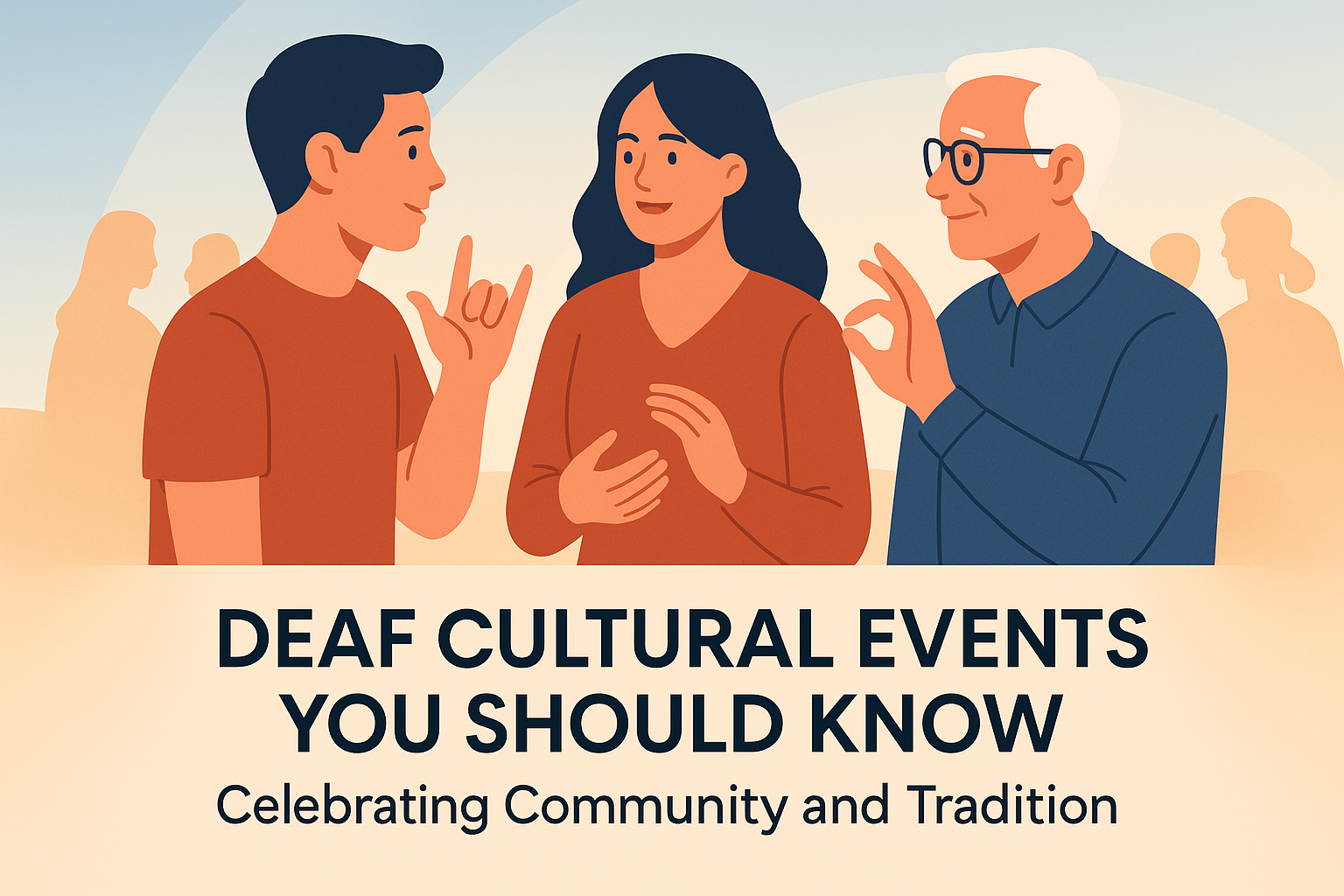
Deaf cultural events are an essential part of the Deaf community, serving as a platform to celebrate unique traditions, foster a sense of belonging, and promote cultural pride. These events are not only about entertainment but also a means of preserving language and shared experiences among Deaf individuals. Understanding these events is crucial for both members of the Deaf community and their hearing allies. Participation in these events allows for a better appreciation of Deaf culture, which is characterized by its unique language, American Sign Language (ASL), and the rich traditions that accompany it.
Deaf cultural events matter because they strengthen community bonds, nurture identity, and advocate for rights and recognition. They provide a space where Deaf individuals can express themselves freely without the barriers imposed by a predominantly hearing world. Recognizing and supporting deaf cultural events is vital in breaking down societal barriers, promoting inclusivity, and fostering mutual respect between Deaf and hearing individuals.
To fully grasp the importance and diversity of Deaf cultural events, we will explore some of the most notable events worldwide. From artistic exhibitions to sporting competitions, each event demonstrates its significance in reinforcing Deaf identity and culture.
Deaflympics: Celebrating Athletic Prowess
The Deaflympics, originally known as the International Games for the Deaf, is a major international multisport event, sanctioned by the International Committee of Sports for the Deaf (ICSD). Founded in 1924, the Deaflympics has grown significantly, offering an arena for Deaf athletes to showcase their talents at a global level.
The Deaflympics is unique because, unlike other sporting events, it requires participants to have a hearing loss of at least 55 decibels in their better ear. The games eliminate the need for audio cues, such as starting guns, and focus instead on visual signals, providing a level playing field for all athletes. This adaptation not only ensures fair competition but also highlights the need for inclusivity in sports.
A real-world example of the Deaflympics’ impact is the experience of Ashley Kendall, an accomplished swimmer who often faced challenges competing in mainstream events. With the Deaflympics, she found a community where her abilities, rather than her hearing loss, defined her. The event also provides an opportunity for athletes from different countries to interact and develop cross-cultural connections, emphasizing the global nature of Deaf culture.
Deaf Film Festivals: A Canvas of Expression
Deaf film festivals are essential gatherings that showcase films created by Deaf filmmakers or featuring Deaf actors. These events play a critical role in amplifying Deaf voices and stories, ensuring that Deaf perspectives are represented in the cinematic world. Film festivals like the Toronto International Deaf Film Festival and the ASL Film Festival provide a unique platform for artistic expression and storytelling.
These festivals offer a diverse range of films that explore various aspects of Deaf culture, such as accessibility issues, identity, and everyday experiences. By doing so, they foster an understanding and appreciation of the diversity within the Deaf community. A distinctive feature of these festivals is the use of ASL in films, which facilitates more profound emotional connections among the audience.
The Deaf film “The Silent Child,” which won an Academy Award for Best Live Action Short Film in 2018, is a poignant example of the powerful storytelling found in Deaf films. It highlights the challenges faced by Deaf individuals in an often-inaccessible world, resonating deeply with audiences worldwide and showcasing the pressing need for greater awareness and change.
Deaf Awareness Week: Building Bridges of Understanding
Deaf Awareness Week is a significant event aimed at raising awareness, promoting understanding, and fostering inclusivity between Deaf and hearing communities. Observed annually in the last full week of September, it includes various activities, such as workshops, presentations, and performances, designed to educate the public and celebrate Deaf culture.
During this week, organizations and advocates work to dispel myths about Deafness and illustrate the importance of accessibility, advocating for equal opportunities in education, employment, and public services. Events highlight the vital role that ASL and other sign languages play in communication and enrichment for Deaf individuals.
- Education Sessions: These often include presentations on Deaf history, the development of sign languages, and the challenges Deaf individuals face.
- Social Events: Gatherings where Deaf and hearing people can mingle, communicate, and build lasting friendships.
- Performance Arts: Theater performances, poetry readings, and dance recitals that emphasize ASL’s beauty and expressiveness.
An example of Deaf Awareness Week’s impact is the initiative by a small community in the UK, which decided to create a signing choir performance. This performance not only involved Deaf individuals but also included hearing allies, providing an invaluable opportunity for cross-community engagement and understanding.
National Association of the Deaf (NAD) Conference: Advocacy and Leadership
The National Association of the Deaf (NAD) Conference is one of the pivotal events for the Deaf community in the United States. Held biennially, the conference focuses on advocacy, policy-making, and leadership development. It provides a platform for Deaf leaders and activists to discuss strategies for advancing the rights of Deaf individuals and ensuring their participation at all societal levels.
The NAD Conference is particularly important for its role in shaping policies and fostering leadership among Deaf people. Workshops, panels, and discussions cover a wide range of topics, from legislative updates to educational opportunities and community organizing. Attendees can learn from each other and share successes and challenges they face in their advocacy efforts.
A real-world example of the NAD Conference’s influence is the work that emerged post-conference advocating for improved captioning services. This initiative led to policy discussions with media networks, resulting in enhanced accessibility and inclusive broadcasting standards. The conference not only impacts policies but also inspires attendees to return to their communities equipped with new insights and determination to drive change locally.
Deaf Expo: A Marketplace of Innovation and Culture
Deaf Expo events, like DeafNation Expo, serve as a vibrant marketplace showcasing the latest in Deaf culture and technology. These events draw thousands of attendees annually, combining exhibitions, workshops, and entertainment to offer a comprehensive experience that celebrates Deaf identity.
The Deaf Expo allows businesses and entrepreneurs to display products and services tailored for the Deaf community, including innovations in assistive technology, ASL resources, and Deaf-owned business ventures. It serves as an invaluable networking opportunity for individuals and organizations within the Deaf community.
A remarkable aspect of the Deaf Expo is its focus on community-building and empowerment. For instance, many expos host Deaf talent shows and performances that highlight artistic talents while fostering a strong sense of cultural pride. In addition, educational workshops provide insights into various topics, such as entrepreneurship, advocacy, and language development.
| Type | Description |
|---|---|
| Exhibitions | Showcase products and services by Deaf-owned businesses. |
| Workshops | Cover topics from technology to communication strategies. |
| Talent Shows | Feature performances by Deaf artists and entertainers. |
An example of innovation at Deaf Expo is the growing presence of start-ups focused on accessibility technology. Companies introducing new applications and devices are transforming how Deaf individuals interact with the world, thereby enhancing independence and connectivity.
Deaf Studies Conferences: Academic and Cultural Exploration
Deaf Studies Conferences are scholarly gatherings that explore the interdisciplinary study of Deaf culture, language, and community. These conferences attract academics, researchers, and practitioners who wish to delve deeper into various aspects of Deaf life.
Such conferences are crucial as they encourage scholarly discourse, promoting research and academic exploration in fields ranging from linguistics to social sciences. Attendees engage in discussions, presentations, and workshops that examine critical issues such as language preservation, identity formation, and cultural transmission.
A notable example of these conferences’ significance is the increased academic focus on Deaf literature and arts. Scholars presenting papers on these topics have stimulated interest and awareness, leading to more institutions offering courses in Deaf culture and ASL literature. The sharing of research findings and theoretical frameworks continues to enrich the global understanding of Deaf studies.
Conclusion: Embrace and Engage with Deaf Cultural Events
Deaf cultural events present invaluable opportunities to celebrate and preserve the rich traditions and vibrant culture of the Deaf community. From exciting sporting events and creative film festivals to world-changing conferences and vibrant expos, each event contributes to reinforcing identity, advocating for rights, and fostering inclusivity.
The key takeaway for readers is the importance of understanding and participating in these events as a means of support and solidarity with the Deaf community. Being involved not only enriches personal cultural experience but also strengthens community ties and promotes an inclusive society.
As a call-to-action, whether you are a member of the Deaf community or an ally, I encourage you to explore and engage with these events. Attend a Deaf Expo, participate in Deaf Awareness Week, or support Deaf filmmakers by attending a film festival. Your involvement is a vital step towards building a society where all individuals can thrive and contribute without barriers.
By recognizing and supporting Deaf cultural events, we can celebrate diversity, foster understanding, and inspire change that benefits everyone. Join us in embracing these events and contributing to a world where Deaf culture and identity are acknowledged, valued, and celebrated.
Frequently Asked Questions
What are Deaf cultural events, and why are they important?
Deaf cultural events are gatherings that celebrate the rich traditions, history, and experiences of the Deaf community. These events are pivotal as they provide an opportunity for Deaf individuals to connect, communicate, and express their cultural identity. They are vibrant celebrations that range from festivals and art exhibitions to theater performances and educational seminars. The importance of these events cannot be overstated; they serve as a preservation tool for the Deaf culture. Through these gatherings, members of the community can engage in their native sign languages, ensuring its transmission to future generations. Participating in Deaf cultural events nurtures a sense of belonging and solidarity, which is essential for the community’s well-being. For hearing allies, attending these events is an excellent way to gain a deeper understanding and appreciation of Deaf culture, fostering inclusivity and support. Overall, Deaf cultural events are not just social gatherings but are integral to maintaining the vibrancy and resilience of Deaf culture.
Can hearing people attend Deaf cultural events?
Yes, hearing people are indeed welcome to attend Deaf cultural events. These occasions are a wonderful opportunity for hearing individuals to immerse themselves in Deaf culture, learn about its nuances, and understand the community’s values and traditions. However, there are certain etiquettes that hearing attendees should be aware of. It’s important to respect the communication norms – primarily the use of sign language. Even if you’re not proficient in sign language, making an effort to communicate using basic signs or gestures is always appreciated. Being open, respectful, and willing to learn are key attitudes to adopt. Remember, these events are primarily for the Deaf community, so it’s crucial to allow the space to remain centered on Deaf experiences. By attending with an open mind and heart, hearing individuals can gain invaluable insights and help build bridges of understanding and support between hearing and Deaf communities.
What are some popular Deaf cultural events one should know about?
There are numerous Deaf cultural events worldwide that one should be aware of, each with its unique charm and significance. A few notable ones include: – **Deaf Awareness Week**: This global event focuses on educating the public about Deaf culture, history, and the rights of Deaf individuals. It includes workshops, lectures, and community outreach programs. – **World Deaf Day**: Celebrated on the last Sunday of September, this day highlights the achievements and contributions of Deaf individuals globally, along with advocating for their rights. – **Deaf Expo**: Held in various locations, these expos showcase the talents and innovations within the Deaf community, offering everything from technology exhibitions to performing arts. – **Deaf arts festivals**: These festivals, such as the Deaffest in the UK, underscore the creativity of Deaf artists in film, visual art, and live performances, offering a platform to showcase their work. These events not only allow for celebration and learning but also advocate for a deeper understanding of the needs and aspirations of the Deaf community.
How do Deaf cultural events contribute to language preservation?
Deaf cultural events play a crucial role in preserving sign languages, which are a fundamental part of Deaf culture. At these events, sign language is the primary mode of communication, allowing Deaf individuals to use and celebrate their native language among peers. This is particularly important in a world where spoken languages often dominate, threatening the visibility and preservation of sign languages. By showcasing the beauty and complexity of sign languages through storytelling, poetry, and performance arts, these events reinforce the linguistic identity of Deaf individuals. Additionally, they provide environments where newer generations can learn and practice sign language in context, gaining fluency and appreciation for their cultural heritage. Furthermore, these events often include educational workshops on sign language, both for members of the Deaf community and those interested in learning. This proactive engagement ensures that sign languages continue to thrive and evolve, safeguarding a critical component of Deaf culture.
How can one support and promote Deaf cultural events?
Supporting and promoting Deaf cultural events is a meaningful way to contribute to the vibrancy and recognition of Deaf culture. Here are some ways to get involved: 1. **Attend Events**: Simply showing up to support and learn can make a big difference. Your presence shows solidarity and demonstrates a commitment to inclusivity. 2. **Spread the Word**: Use social media and other platforms to share information about upcoming events. Encouraging friends and family to attend or learn more about these events can expand their reach. 3. **Volunteer**: Many events rely on volunteers to run smoothly. Offering your time to help organize or manage activities can be invaluable. 4. **Educate Others**: Use your voice to educate those around you about the significance of Deaf cultural events. Share experiences and insights you gain from participating in these events. 5. **Support Deaf Artists and Performers**: Purchasing artwork, attending performances, or following and promoting Deaf artists online can help bring recognition to their talents and contributions. By taking these steps, you not only support the events themselves but also foster greater awareness and appreciation for Deaf culture at large. This, in turn, helps ensure that these cultural celebrations continue to thrive in the future.